no-image
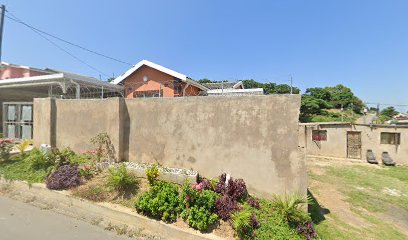
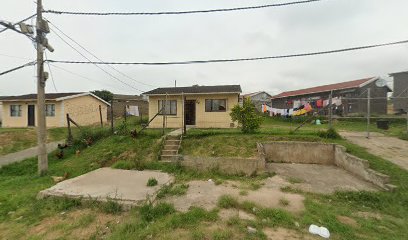
Sihappy crèche is a Creche establishment in Durban, KwaZulu-Natal, South Africa
Durban
KwaZulu-Natal
Umlazi, Durban
South Africa

no-image
Sorry, no records were found. Please adjust your search criteria and try again.
Sorry, unable to load the Maps API.
Creche Services in Durban, KwaZulu-Natal
Durban, a coastal city in KwaZulu-Natal, offers a range of creche facilities designed to support families with young children. These centres typically provide daily supervision, development-focused activities and a safe environment for children in the early years. The character of the services reflects Durban’s multicultural setting, with programmes that may incorporate local languages, stories and play that resonate with the community.
Most creches in the area operate during standard daytime hours, with options for morning or full-day care. Practical arrangements often include flexible pick-up and drop-off routines, and some centres may offer holiday or after-school care for older siblings. The daily routine generally combines structured learning play with free play, enabling children to explore, socialise and build confidence in a supervised setting. The programme usually encompasses play-based learning, sensory activities, arts and crafts, music, movement, and storytelling, all tailored to developmental stages and individual needs.
Nutrition and meals form an important part of the offering. Many creches provide regular meals and snacks aligned with healthy eating guidelines, taking into account allergies and dietary requirements. Nap times are common for younger children, structured to ensure rest and security, while older children participate in quieter activities during quiet periods. Hygiene and cleanliness are priorities, with regular handwashing, sanitising routines and age-appropriate personal care throughout the day.
Safety and security are central concerns. Centres typically invest in secure facilities, appropriate supervision ratios, safe indoor and outdoor spaces, and well-maintained equipment. Outdoor play areas often feature shaded spaces and age-appropriate play structures, promoting gross motor development and active engagement. Staff training emphasises child protection, emergency procedures, and fostering a nurturing environment where children feel valued and respected.
Staffing in Durban creches tends to include qualified or experienced caregivers, with a focus on continuity of care and meaningful interaction. Communication with parents is commonly achieved through informal daily updates, message books, or scheduled meetings, ensuring parents stay informed about their child’s milestones and daily experiences. While the exact approach varies, the overarching aim is to create a supportive partnership between carers and families to support each child’s emotional and social development.
Practical considerations are important when choosing a creche in Durban. Proximity to home or work can simplify daily routines, and access to safe transport arrangements may be a deciding factor for many families. The environment should reflect inclusive practices, with opportunities for children from different backgrounds to interact and learn together. It is worth considering whether the centre offers language support or bilingual activities, given Durban’s diverse linguistic landscape. Accessibility for children with additional needs is another key consideration, including whether the premises are navigable for prams and wheelchairs, and whether staff have appropriate support for inclusive play.
Parents are advised to tour potential creches, observe routine, meet staff members, and ask about policies on illness, child privacy, and discipline in a manner consistent with positive guidance practices. While specific programmes, facilities or certifications may differ from one centre to another, most Durban creches aim to provide a secure, engaging environment where children can explore, learn and grow while guardians have confidence in daily care and supervision.
- Typical activities: play-based learning, arts and crafts, storytelling, music, movement and outdoor play.
- Common features: safe indoor spaces, outdoor play areas, nutritious meals, nap areas, and secure access.
- Key considerations: location, transport options, staff qualifications, inclusivity, and communication with families.