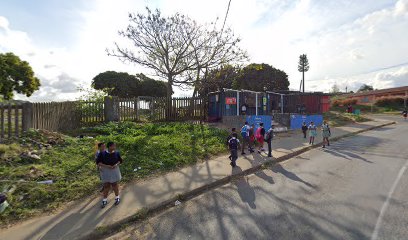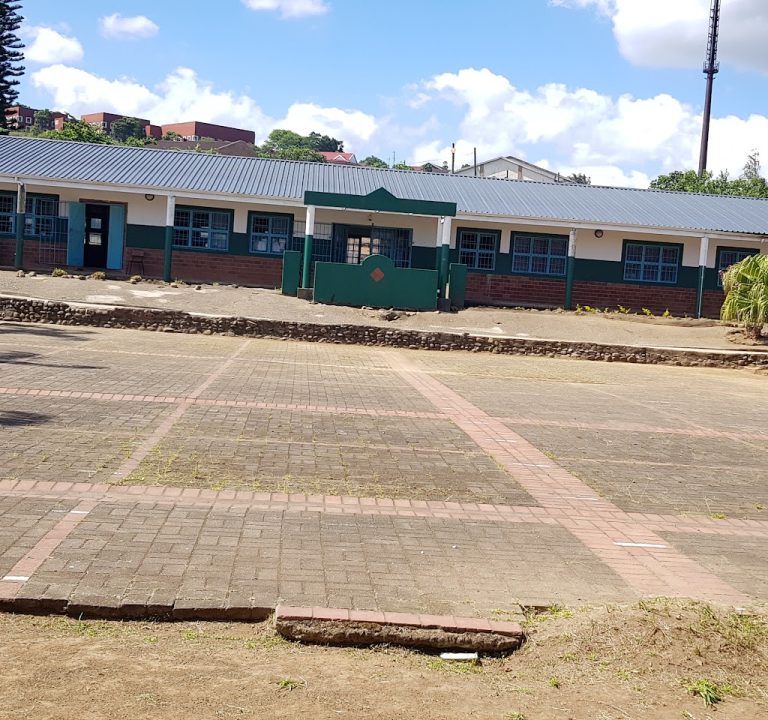
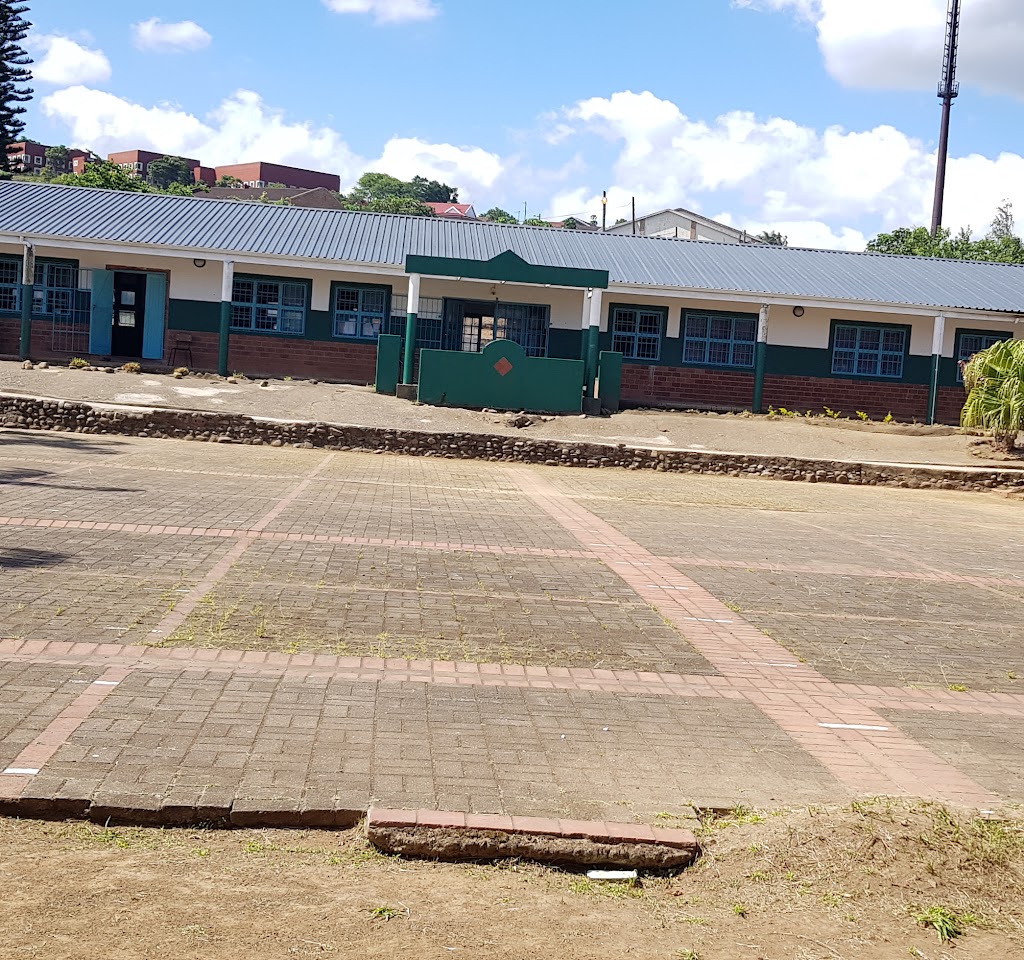
Sithandiwe Primary School is a Primary school establishment in Umlazi, KwaZulu-Natal, South Africa
Umlazi
KwaZulu-Natal
4066
South Africa
Sorry, no records were found. Please adjust your search criteria and try again.
Sorry, unable to load the Maps API.
Primary school services in Umlazi, KwaZulu-Natal
Primary schools in Umlazi, KwaZulu-Natal, offer a range of basic educational services designed to support children from their first years of formal schooling through to the end of the Foundation Phase and the start of the intermediate phase. Typical offerings encompass a structured curriculum, daily teaching, and a school environment oriented towards safety, discipline, and personal development. In this coastal township, schools commonly operate within a community-focused framework that emphasises accessibility, resilience, and local relevance.
Curriculum delivery in Umlazi adheres to national standards while reflecting local needs. The core subjects usually include languages (often isiZulu and English), mathematics, science, social sciences, and arts and culture. Instruction frequently follows the Curriculum and Assessment Policy Statement (CAPS) framework, with assessments aligned to grade levels. This ensures consistency across schools in KwaZulu-Natal and supports learners as they progress through the early years of schooling. Direction from district and provincial authorities shapes timetabling, term dates, and reporting cycles, which in turn inform parent-teacher engagement and progress tracking.
Support services extend beyond classroom teaching. Many primary schools in Umlazi provide:
- Dedicated English and isiZulu language support, including literacy development, reading programmes, and basic language acquisition for learners with additional needs.
- Numeracy and science support through small-group sessions, classroom differentiation, and practical activities that connect concepts to daily life in the local context.
- Inclusive education provisions aimed at addressing diverse learning needs, with access to specialised support where available and appropriate.
- Meal programmes or school feeding schemes to promote nutrition and concentration during lessons, alongside guidance on healthy eating.
- Extra-curricular activities such as sport, arts, and cultural projects, which encourage teamwork, physical well-being, and creative expression.
- After-school care or wrap-around services in many instances, offering supervision and light organised activities for working families.
- Access to transport arrangements where provided by the school or local community schemes, helping learners maintain regular attendance.
Enrolment practices typically require proof of identity, a birth certificate, prior schooling records if transferring, and proof of residence. Parents or guardians are usually invited to attend orientation sessions, meet the teaching staff, and learn about school policies on conduct, safety, and discipline. Interaction with teachers through parent-teacher meetings is common, with periodic progress reports detailing progress in core subjects, attendance, and behaviour. While some schools may have limited resources, the emphasis tends to be on creating a stable and predictable routine that supports learning and development.
Practical considerations for families choosing a primary school in Umlazi include transport logistics, school hours, and safety in both the campus and surrounding neighbourhood. Schools often structure days around a fixed timetable, including breaks for meals and play. Class sizes can vary, which influences the level of individual attention some learners receive, as well as opportunities for participation in class or schoolwide activities. Facilities may range from well-equipped classrooms and libraries to multipurpose spaces used for assemblies, sport, and performing arts. In more resource-constrained settings, schools may rely on community partnerships and government-driven funding to maintain essential services and infrastructure.
Overall, primary school services in Umlazi are characterised by a focus on foundational literacy and numeracy, social development, and broad access to education within a local context. Prospective families can expect schools to provide a structured environment that supports learners through essential early academic experiences, while fostering resilience, collaboration, and a sense of community belonging.