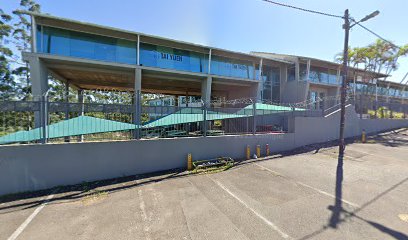
Sizanani Group is a Freight forwarding service establishment in Durban, KwaZulu-Natal, South Africa
Durban
KwaZulu-Natal
3605
South Africa
Sorry, no records were found. Please adjust your search criteria and try again.
Sorry, unable to load the Maps API.
Comprehensive Freight Forwarding Services in Durban, KwaZulu-Natal
Durban, as South Africa’s principal port city on the Indian Ocean, serves as a pivotal hub for international and domestic freight. Freight forwarding services in Durban encompass a broad range of logistics activities designed to move goods from origin to destination efficiently, securely, and in compliance with regulatory requirements. Clients typically rely on these specialists to coordinate every stage of the shipment, from documentation to last‑mile delivery, while navigating the complexities of air, sea, and road transport.
Core offerings often begin with cargo consolidation and classification. Forwarders assess the nature of the goods, determine the appropriate incoterms, and arrange for consolidation with reliable carriers. This step helps optimise container usage for sea freight or weight and space considerations for air freight. The expertise extends to routing decisions that balance speed, cost, and reliability, taking into account Durban’s port operations, seasonal surges, and potential delays at borders or inland distribution points.
Upon arrival at or departure from the port, customs clearance becomes a central focus. Freight forwarders work with clients to prepare and submit the necessary documentation, including bills of lading, commercial invoices, packing lists, and certificates of origin where required. They liaise with customs authorities, brokers, and other stakeholders to ensure compliance with South African regulations and any international trade controls. In Durban, where the port complex interfaces with multiple transport modes, efficient handling of clearance procedures can significantly impact overall transit times and costs.
Warehousing and distribution are common components of Durban‑based freight forwarding. Depending on the layout of the goods, space availability, and storage requirements (such as temperature control or security needs), flexible warehousing solutions may be provided. From there, shipment management continues with transportation planning for onward delivery to regional distributors, retailers, or manufacturing sites across KwaZulu‑Natal and beyond. Cross‑dock facilities, distribution hubs, and last‑mile arrangements are typical features that help streamline the flow of goods into the wider South African market.
Risk management and insurance are essential considerations in freight forwarding. Operators typically advise on appropriate coverage for transit and storage, and assist with claims processes if loss or damage occurs. They also implement security measures during handling, maintain chain‑of‑custody records for critical shipments, and monitor shipments through tracking systems to provide clients with visibility during the journey.
Durban’s environment brings practical considerations that influence freight movements. The city’s climate, local road networks, and port queue times can affect delivery schedules, while seasonal peaks such as harvest periods or export campaigns may alter capacity. Clients often value forwarders who can provide proactive communication, accurate lead times, and contingency planning to mitigate disruptions, including alternative routings or carrier changes when necessary.
Typical service components can be summarised as follows:
- Sea and air freight booking and carrier coordination
- Customs documentation and clearance assistance
- Cargo insurance guidance and claims support
- Warehousing, inventory management, and order fulfilment
- Consolidation, deconsolidation, and distribution planning
- Export and import compliance advisory and regulatory liaison
For businesses operating in KwaZulu‑Natal, selecting a freight forwarder in Durban usually means access to local port expertise, an understanding of regional supply chains, and the ability to integrate inland transport solutions. The most effective partnerships are characterised by clear communication, transparent cost structures, and a demonstrated record of reliable transit performances. Customers can expect a structured process that starts with thorough needs assessment, followed by tailored routing options, efficient handling of paperwork, and coordinated delivery that aligns with operational calendars and customer expectations.