Southern Kitchens is a Kitchen furniture store establishment in Durban, KwaZulu-Natal, South Africa
Southern Kitchens: Custom Kitchen Cabinets and Bespoke Cabinetry in Durban, KwaZulu-Natal
Southern Kitchens is a Durban-based specialist in custom-built kitchens and cabinetry, proudly serving the KwaZulu-Natal region from its base in Pinetown. With more than 30 years of industry experience, the business emphasises high-quality craftsmanship, tailored solutions, and durable finishes designed to fit individual spaces, tastes, and budgets. Established in 1996, the company has developed a reputation for transforming homes and workspaces across Durban and surrounding areas through a comprehensive, in-house approach to design, manufacture and installation.
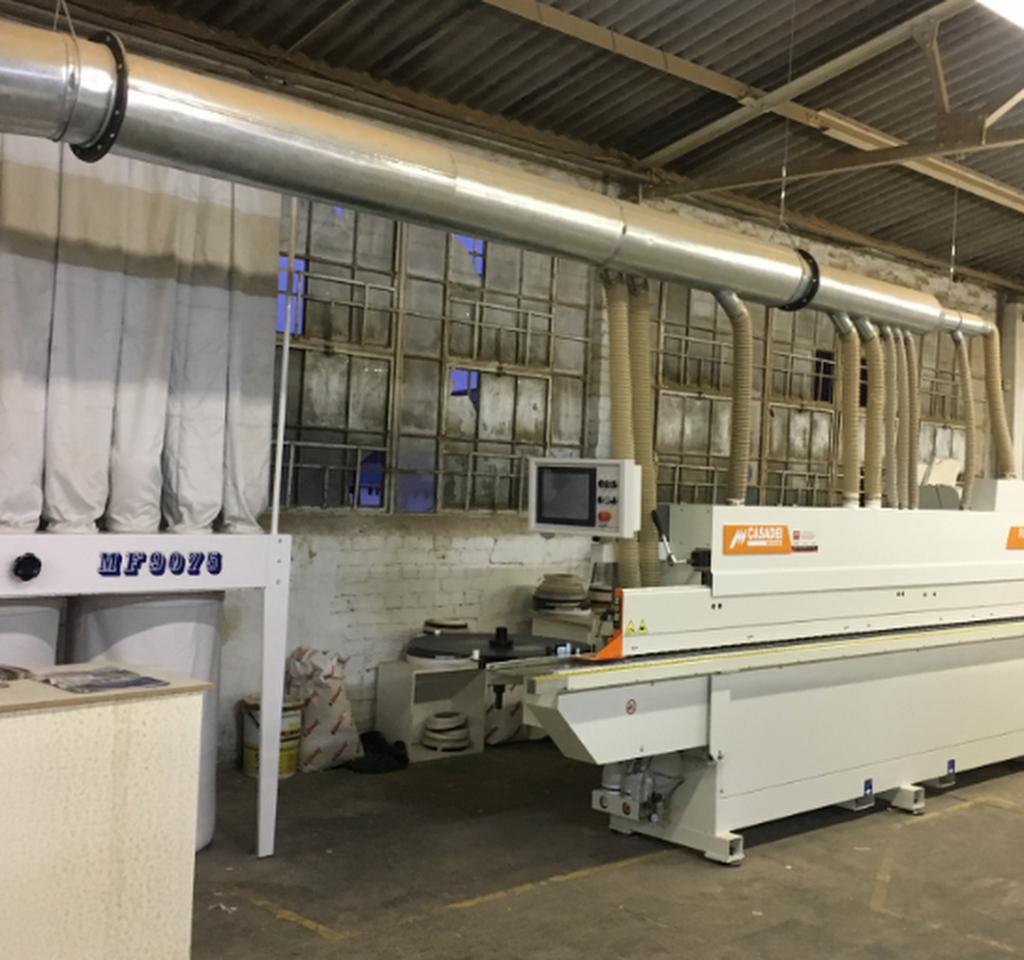
Key services offered include custom kitchen design and installation, built-in cupboards, and complete cabinet manufacture. The organisation highlights its ability to manage every step under one roof, from initial concept through to finished product. This holistic approach is supported by a fully in-house design and manufacturing capability, enabling tighter control over timelines, materials and finish quality. The outcome is described as modern finishes paired with precision craftsmanship that results in cabinetry solutions built to function well and endure over time.
In addition to kitchens, Southern Kitchens regularly accommodates a range of project types within its core discipline of built-in cabinetry. Clients renovating residential spaces, upgrading offices, or managing new development projects can expect a service that blends custom design with practical, durable construction. The emphasis is on spaces that are both aesthetically pleasing and highly functional, designed to suit specific room dimensions and lifestyle requirements. The in-house team takes responsibility for design, manufacture, assembly and installation, offering a streamlined experience that minimises the need for external contractors or multiple suppliers.
The customer experience is characterised by a focus on tailored solutions and reliable delivery. The business promotes its capacity to translate client briefs into practical, high-quality cabinetry configurations, with attention to both form and function. The promise of a fast turnaround is highlighted as one of the advantages of working with an in-house team, alongside the assurance of quality materials and skilled craftsmanship. The combined effect is a bespoke storage and kitchen solution that aims to remain timeless even as interior trends evolve.
Typical job types described in the service scope include:
- Custom-designed kitchens tailored to space, budget and lifestyle
- Built-in cupboards and storage solutions for homes or offices
- Complete manufacture, assembly and professional installation
- Renovation support for residential spaces and upgrade projects
- Cabinetry for new development projects requiring coordinated design and installation
How requests generally work is aligned with the in-house, end-to-end model. Prospective projects typically begin with a design phase that translates client preferences into architectural layouts and material selections. This is followed by manufacturing, where workmanship and finishing are applied in-house, culminating in precise on-site assembly and installation. The integrated workflow aims to minimise delays and ensure consistency across all project stages, with ongoing quality checks throughout the process.
Practical tips for customers planning a cabinetry project include:
- Clearly define space constraints and intended use to guide design decisions on layout and storage features.
- Prepare a realistic budget range to help steer material choices and finish levels from the outset.
- Request a preliminary design concept early to understand how space, light and traffic flow interact with the proposed cabinetry.
- Consider future-proofing with adjustable shelves, smart storage solutions and durable finishes that withstand daily use.
- Ask for references or a portfolio of completed projects to assess craftsmanship and alignment with aesthetic preferences.
- Plan for lead times in manufacturing and installation, and confirm delivery logistics for space constraints and access requirements.
The business serves Durban and surrounding areas, with a client base anchored by its long-standing presence in KwaZulu-Natal. While specific operational hours are not listed, the company emphasises the convenience of in-house design and manufacturing, enabling a coordinated and dependable project trajectory from concept to completion.
Durban
KwaZulu-Natal
3610
South Africa

Sorry, no records were found. Please adjust your search criteria and try again.
Sorry, unable to load the Maps API.
Kitchen furniture store services in Durban, KwaZulu-Natal
Durban’s kitchen furniture stores typically offer a comprehensive range of services designed to help homeowners and property developers realise functional and stylish cooking spaces. From initial design concepts to final installation, these centres aim to provide bespoke solutions that suit the coastal climate, architectural styles, and evolving needs of KwaZulu-Natal households.
Design and space planning are common starting points. Customers can expect a combination of in-store consultations and on-site measurements to assess how a new kitchen will fit within existing layouts. Designers often utilise computer-aided design (CAD) tools or three-dimensional sketches to illustrate layouts, optimise work zones, and experiment with different materials, colours, and hardware. The emphasis is on creating an efficient work triangle, sufficient storage, and a visually cohesive appearance that complements the room’s natural light and surrounding décor.
Material and finish options form a central consideration. Durban stores frequently showcase choices such as laminate, thermoformed panels, solid wood, and moisture-resistant composites suitable for high-humidity environments. Finishes may include matt or gloss laminates, timber veneers, and durable paints in a wide colour spectrum. Hardware selection—ranging from handles to soft-close mechanisms and specialised organisers—helps tailor the kitchen to personal usage patterns, whether for family life, entertaining, or professional catering.
Cabinetry and millwork are core offerings. Packages may include lower and upper cabinets, tall units, pantries, and customised islands. Skilled craftsmen or workshop partners frequently fabricate components to fit non-standard spaces, accommodate odd angles, or integrate appliance enclosures for built-in ovens, fridges, and dishwashers. In many cases, projects are approached with modular systems that support future reconfigurations or extensions as needs change.
Appliance integration and plumbing considerations are addressed during planning. Kitchens require appropriate electrical provisions, plumbing connections, and ventilation planning, with attention to safety compliance and efficient workflow zones. Stores may partner with reputable installers or provide detailed installation guides so that qualified tradespeople can complete the final connections. Some outlets also assist with the procurement of appliances that harmonise with the chosen cabinetry and overall design.
Installation and delivery logistics are typically managed with a scheduled approach. Delivery crews ensure that components are transported securely and measured to fit, while installation teams focus on precise assembly, alignment, and integration with existing utilities. Crating or protective measures are commonly employed to safeguard timber and delicate finishes during transit. Turnaround times vary according to project scope, material availability, and workshop capacity, with clear timelines discussed during the planning phase.
On-site preparation and finishing touches are part of the service suite. This may include removing old fittings, securing support structures, integrating lighting coves or under-cabinet lighting, and applying final adjustments to doors, drawers, and hardware. Post-installation checks commonly address fit, operation, and any minor adjustments needed to guarantee smooth use. Some stores offer maintenance guidance, care instructions for different materials, and advice on stain or sealant reapplications to extend the life of the kitchen.
Warranties and after-sales support are typically offered to provide reassurance. Standard practices may cover manufacturing defects, hardware performance, and the durability of surfaces for a defined period. Clients are encouraged to keep a record of component specifications and contact details for future service needs or refinishing projects.
Practical considerations for Durban purchasers include coastal humidity, potential salt exposure, and the need for moisture-resistant finishes in cabinetry. It is sensible to discuss installation access, water-resistant seals, and proximity to the main living areas to minimise disruption. Overall, Durban kitchen furniture stores aim to deliver balanced solutions that combine practicality, durability, and aesthetic appeal for vibrant KwaZulu-Natal homes.