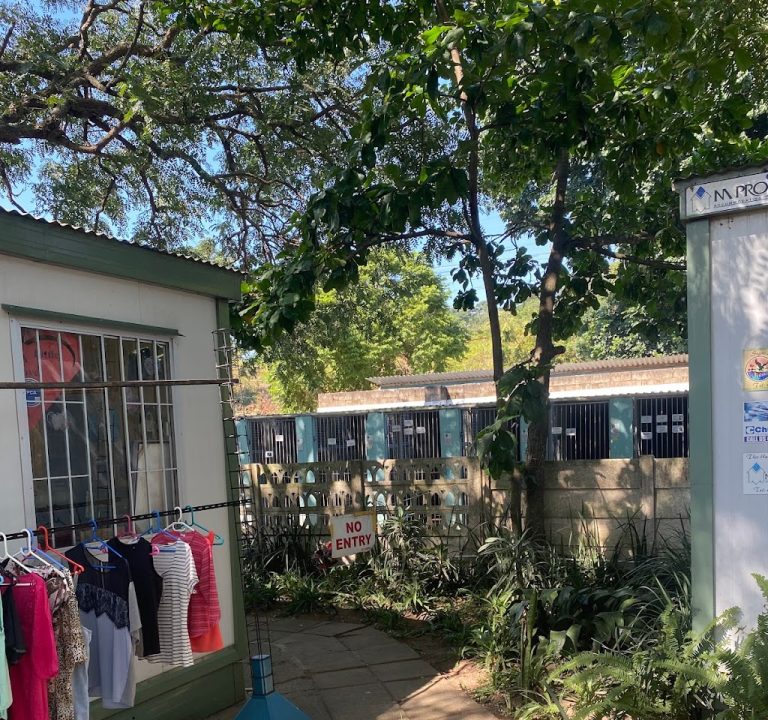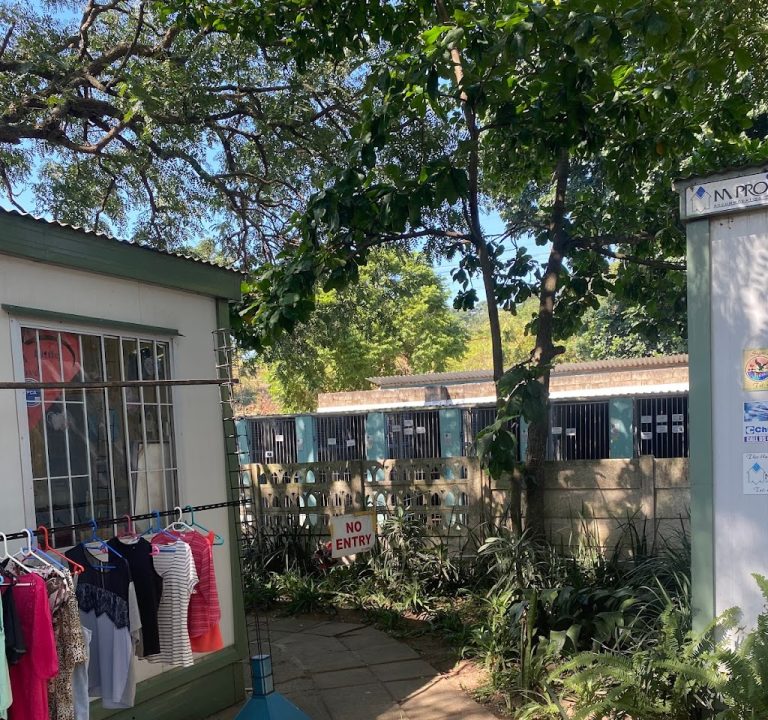
SPCA Amanzimtoti is a Animal protection organization establishment in Amanzimtoti, Kwa-Zulu Natal, South Africa
SPCA Amanzimtoti: Animal Protection Services in Amanzimtoti, Kwa-Zulu Natal
SPCA Amanzimtoti operates as a community-focused animal protection organisation dedicated to promoting freedom from hunger, pain and distress for all animals within the Amanzimtoti area and surrounding regions. The organisation presents a holistic offering that spans welfare non‑profit activities, practical animal care services, and avenues for public involvement through adoption, volunteering and charitable giving. The emphasis throughout is on humane treatment, rescue and rehabilitation, with an aim to improve the lives of pets and working animals alike.
Across its core platform, the SPCA Amanzimtoti outlines a suite of main services designed to address common welfare needs. The “For Your Pet” category signals accessible veterinary and care provisions, while the “Mobile Clinic” option indicates a service model that brings veterinary attention closer to communities, reducing barriers to essential care. In parallel, the organisation maintains dog and cat boarding facilities for short-term housing, which can be part of responsible pet ownership support for families navigating travel or temporary caregiver arrangements. For animal safety and protection, the site also features a dedicated “Report Cruelty” pathway, enabling the public to raise concerns about welfare abuses in a structured manner, consistent with best practice animal protection workflows.
Adoption is presented as a meaningful pathway for animals in SPCA Amanzimtoti’s care, with dedicated sections for “Adopt a Pet,” “Adopt a Cat” and “Adopt a Dog.” Each adoption thread reflects the common industry emphasis on careful matching of homes to pets, with potential adopters typically engaging in a process designed to ensure suitability and ongoing welfare. The presence of “Veterinary Clinics” and “Helpful hints for new dog owners” further suggests a strong orientation toward responsible ownership and ongoing support after placement.
The organisation also maintains resources that touch on practical everyday needs, such as information for those who have lost, found or unwanted animals. This reflects standard welfare practice by reuniting pets with owners when possible and responsibly rehoming those that cannot be reunified. The site’s structure points to multiple touchpoints for the public — including contact details, a fundraising calendar, and a range of “How you can help” options, such as donations, volunteering and other forms of assistance. This indicates a community‑driven model that extends beyond direct shelter services to broader engagement and philanthropy.
Typical client interactions are likely to follow established welfare practices: interested individuals may explore the adoption pages for pets in need, inquire about the boarding facilities, or arrange to utilise the mobile clinic for veterinary care. The “Report Cruelty” function provides a clear route for reporting concerns, aligning with statutory welfare frameworks and local enforcement partnerships. Visitors may also encounter educational materials and practical guidance through the site’s helpful information sections, which cover topics relevant to pet health and wellbeing, vaccination awareness and responsible companionship.
Location and accessibility notes indicate the organisation operates within Amanzimtoti and its environs in Kwa-Zulu Natal, South Africa. Contact channels listed on the site include telephone numbers for direct inquiries, which suggests a personable, locally oriented service model. The site also references fundraising events and supporting shops, reflecting a broader ecosystem of charitable activity that sustains ongoing welfare work, including donor engagement and in‑kind support such as pet food and blankets.
- Main services offered: pet care assistance under the “For Your Pet” umbrella, mobile veterinary clinics, cruelty reporting, boarding facilities for cats and dogs, and lost/found/unwanted animal handling. Adoption processes are highlighted through dedicated pet adoption pages.
- Typical job types and activities (as implied by the site): sheltering and caring for animals, veterinary care coordination, rescue and rehabilitation workflows, adoption assessments, and community outreach related to pet welfare.
- How requests usually work: members of the public access services through the site’s service pages or contact points, initiate cruelty reports when necessary, and participate in adoption or volunteering programmes. The presence of fundraising and donation options suggests a pathway for financial and in‑kind support to sustain services.
Practical tips for potential visitors and supporters include checking the dedicated services pages for the most current information on available animals for adoption, appointments for the mobile clinic, and details on boarding capacity. For those planning a visit or engagement, looking up the contact numbers listed on the site provides a straightforward route to obtain up‑to‑date hours, availability, and any location-specific instructions. When bringing an animal to or from SPCA Amanzimtoti, it is prudent to confirm transport requirements or conveyance assistance with staff ahead of time and to review any adoption or care guidelines provided during the process. The organisation’s commitment to welfare and community involvement remains a cornerstone of its operations in the Amanzimtoti region.
Amanzimtoti
Kwa-Zulu Natal
4126
South Africa
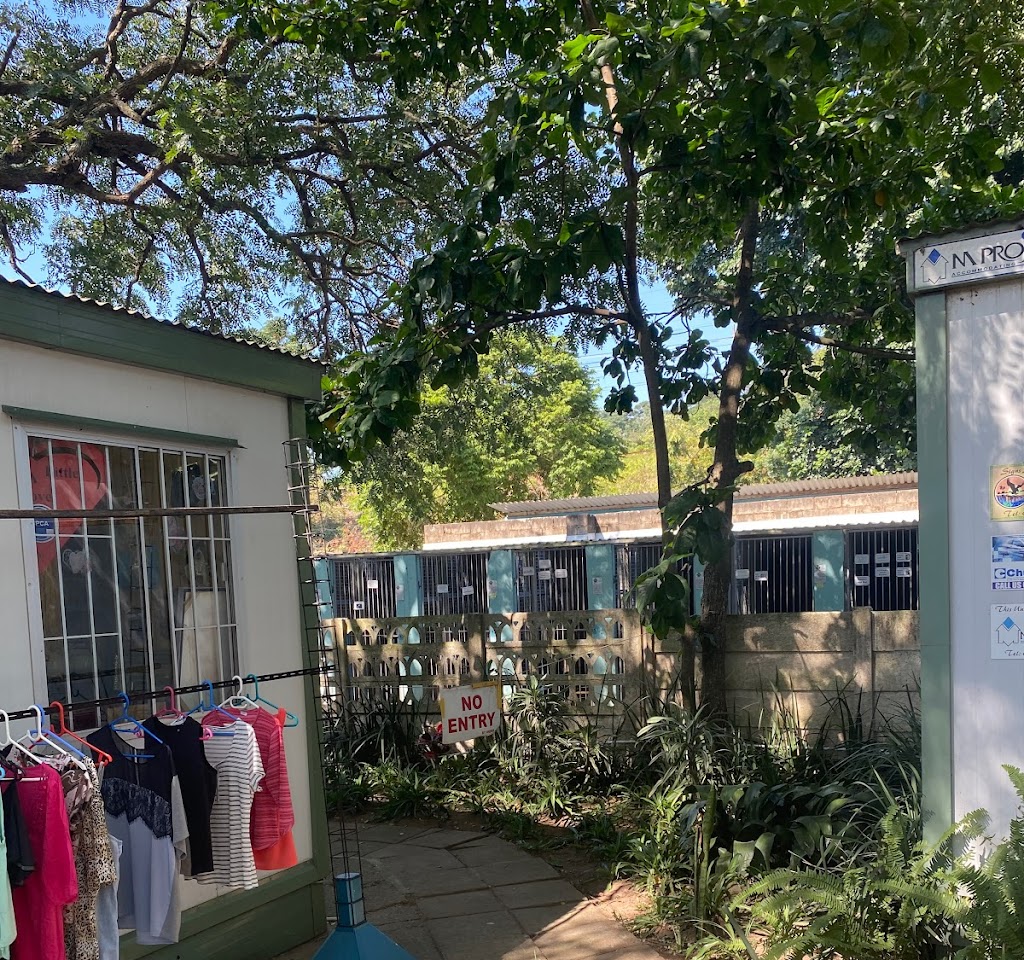
Sorry, no records were found. Please adjust your search criteria and try again.
Sorry, unable to load the Maps API.
Animal Protection Organisation Services in Amanzimtoti, Kwa-Zulu Natal
Paragraphs describing the role of animal protection organisations in Amanzimtoti, Kwa-Zulu Natal, focusing on the typical services offered and the context in which they operate. These organisations commonly address animal welfare through a blend of rescue, rehabilitation, advocacy, and community engagement, recognising the local environment, climate, and urban challenges of coastal Kwa-Zulu Natal. They may collaborate with municipal authorities, veterinary clinics, and volunteers to ensure that stray and neglected animals receive care, shelter, and, where possible, rehoming. The emphasis tends to be on humane treatment, prevention of cruelty, and the promotion of responsible pet ownership within the community.
Community Outreach and Education
Animal protection organisations frequently conduct outreach programmes aimed at educating residents about animal welfare. Activities may include school talks, public workshops, and dissemination of practical guidance on responsible ownership, vaccination, neutering, and humane handling. In Amanzimtoti, these efforts are often tailored to seasonal factors such as higher stray populations during holidays when animals may be left unattended, and to local wildlife interactions common along the Natal coast. Community education supports long-term welfare by reducing abandonment and improving the care of companion animals, livestock, and urban wildlife.
Rescue, Shelter and Rehabilitation
Rescue operations form a core component, with trained personnel responding to distressed animals, often through a network of volunteers and veterinary partners. After rescue, animals are usually assessed by welfare-focused veterinarians, provided with medical treatment or quarantine if necessary, and placed in kennels or foster care as appropriate. Rehabilitation efforts emphasise rehabilitation from injuries, behavioural support programmes for traumatised animals, and the gradual reintroduction to safe environments. In some instances, rehoming or adoption channels are managed in collaboration with local sanctuaries or shelters, subject to suitability assessments and follow-up support.
Sterilisation and Population Management
A common objective is to address overpopulation through sterilisation programmes. These initiatives aim to reduce breeding, lower shelter intake, and prevent future animal suffering. Organisations may facilitate low-cost or subsidised neutering campaigns, provide post-operative care guidance, and promote responsible pet ownership practices. Community partners, including veterinary clinics and mobile clinics, often play a role in making sterilisation accessible to a broader segment of the population in and around Amanzimtoti.
Advocacy, Policy and Cruelty Prevention
Animal protection bodies frequently engage in advocacy to strengthen welfare laws and enforcement. They may work to raise awareness of cruelty indicators, ensure timely reporting of suspected abuse, and support policy development at municipal or provincial levels. Public campaigns typically emphasise humane treatment, safe housing, and the importance of nutrition and shelter for vulnerable animals. Collaborations with other organisations aim to improve local standards and drive improvements in welfare infrastructure.
Practical Considerations for Residents
Residents seeking assistance or guidance can expect a response pathway that involves initial assessment, triage of urgent cases, and a plan outlining next steps. Organisations commonly operate through a combination of paid staff and volunteers, with reliance on donations and community support to sustain activities. Patrons should anticipate that resources may influence wait times, particularly in peak periods, and that eligibility criteria or service scope may vary. Information regarding animal welfare services is typically shared through local community centres, veterinary practices, and municipal channels, offering guidance on how to access help, report concerns, or participate in educational events.
Supported by partnerships with veterinary professionals, volunteers, and local authorities, animal protection organisations in Amanzimtoti endeavour to balance immediate rescue needs with long-term welfare strategies. The overarching objective remains the alleviation of animal suffering, the promotion of humane treatment, and the creation of a community where responsible care for animals is understood and practiced.