Speedsurf Air Fibre is a Internet service provider establishment in Durban, KwaZulu-Natal, South Africa
Speedsurf Air Fibre: Durban’s uncapped internet solution for homes and small businesses
Speedsurf Air Fibre operates as a Durban-based internet service provider offering uncapped fibre-inspired connectivity without the need for a traditional phone line or ground fibre connection. The service emphasises a low contention ratio to deliver consistently high speeds, targeting both residential users and small enterprises seeking reliable, high-performance internet access in the KwaZulu-Natal region.
Two core offerings form the centrepiece of Speedsurf’s portfolio. The first, Air Fibre Uncapped, is positioned for home and small business users who require a true uncapped experience with no shaping or throttling. The service is described as unshaped and unthrottled, with a notably low contention ratio of 10:1. This combination is marketed as suitable for activities such as uploading and downloading large files, streaming, emailing, and general online use, all while maintaining fast and predictable performance. A key convenience highlighted is the absence of dependence on a phone line and the elimination of a ground fibre link, which can simplify installation and enable rapid deployment in supported areas.
The second offering, Air Fibre Business, scales the uncapped premise to a dedicated business-class solution. It promises “unshapped, unthrottled” performance, with a focus on a premium customer experience and professional, business-level support. The language used positions Speedsurf Business as a higher-tier option for organisations that prioritise reliability, consistent throughput, and responsive assistance alongside their internet service. Both packages share a common thread: a commitment to avoiding traffic shaping and speed throttling, thereby providing a more predictable online experience for work-critical applications, video conferencing, large file transfers, and cloud-based services.
Geographically, Speedsurf serves Durban and the surrounding areas, with ongoing expansion noted. The provider emphasises convenience by offering internet access that does not rely on traditional fixed-line infrastructure, which can be a meaningful option for customers who want straightforward installation and flexible setup in areas where fibre or copper lines may be limited or inconsistent.
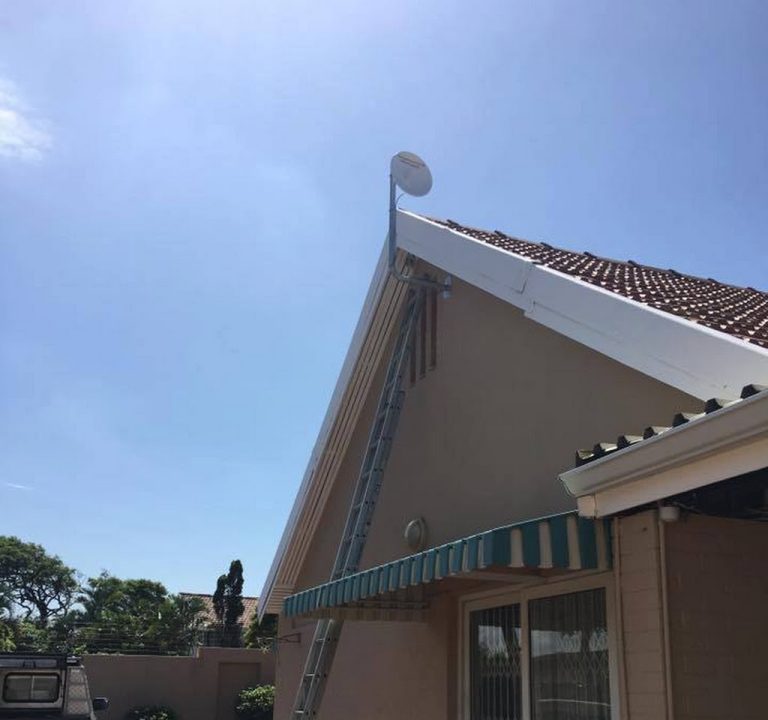
In terms of setup and access, the installation process is described as involving a technician who installs the necessary hardware. This implies a hands-on service model designed to ensure the connection is configured correctly and optimally for the customer’s location. The emphasis on technician-led installation can be reassuring for users who prefer professional setup and a clearly defined handover process after service activation.
Overall, the customer experience is framed around simplicity, speed, and reliability. The uncapped, unshaped nature of both the consumer and business options aligns with expectations from users who require steady performance for streaming, video calls, bulk data transfers, or multiple devices connected within a single location. The lack of a phone line and ground fibre requirement can be advantageous for customers seeking quicker, less cumbersome installation paths and fewer infrastructural dependencies.
Practical tips for potential customers include assessing whether the home or small business environment benefits most from uncapped connectivity and considering the role of contention ratio in daily usage. Users should verify current coverage in their specific Durban suburb or surrounding area, given that Speedsurf notes ongoing expansion. When planning installation, keep in mind that a technician visit will be scheduled for hardware installation, which may influence timing and upfront preparation. It is also prudent to note that while the service promises uncapped, unshaped, and unthrottled access, actual speeds can vary with network conditions, distance from the node, and overall demand in the area.
For those evaluating options in KwaZulu-Natal, Speedsurf’s offerings present a practical choice for customers seeking a straightforward, high-performance connection without the overhead of traditional landlines. The business and residential packages cater to different needs, with the latter focusing on everyday internet use and the former addressing professional requirements with enhanced support and reliability. The brand’s emphasis on a simple installation path, coupled with a low-contended network, positions Speedsurf as a notable entrant in the Durban internet landscape.
Durban
KwaZulu-Natal
4004
South Africa
Sorry, no records were found. Please adjust your search criteria and try again.
Sorry, unable to load the Maps API.
Internet service provider offerings in Durban, KwaZulu-Natal
Durban, a coastal city in KwaZulu-Natal, presents a diverse landscape for internet service provision. Providers in this region typically offer a mix of residential and business solutions designed to address varying connectivity needs, ranging from everyday web access and streaming to enterprise-grade data transmission and cloud access. The landscape is characterised by a combination of fibre, wireless, and legacy copper-based options, with evolving infrastructure to support higher speeds and more reliable connections.
Residential customers commonly encounter several core service types. Fibre-to-the-home (FTTH) is a prevalent option in urban and suburban areas, delivering high-speed, low-latency links suitable for video conferencing, large downloads, and multiple-device households. Fixed wireless offerings serve locations where fibre is not yet available, using radio links to connect homes and small offices to a central network. ADSL or VDSL remains feasible in some areas where copper lines are still in operation, though speeds are typically more modest and dependent on line quality and distance from the exchange. Mobile broadband, provided via 4G or 5G networks, offers flexible alternatives for those seeking portability or temporary connectivity solutions.
Businesses in Durban often require more robust arrangements. Businesses may opt for higher-capacity fibre connections, dedicated or shared internet access, and managed services. Service providers frequently offer SLAs (service level agreements) that specify uptime targets, response times for support, and monitoring services. In addition to internet access, business customers may access hosted services, cloud connectivity, data centre access, remote backup, managed routers, and security solutions. These offerings help organisations maintain reliable operations, support remote work, and protect data in transit and at rest.
From a practical perspective, several considerations shape customer experiences with Durban-based providers. Installation timelines depend on the chosen technology and the availability of local infrastructure. Fibre installations typically require on-site work, cavity drilling or terminate points inside premises, and activation testing. Wireless solutions depend on line-of-sight to transmission towers or repeaters, with possible conditions influenced by weather and terrain. In all cases, reasonable service delivery hinges on the quality of the local network and the equipment provided or recommended by the operator.
Speeds and performance are influenced by the chosen technology, service tier, and network congestion. While high-speed fibre can deliver substantial bandwidth, actual speeds may vary according to plan limits, peak usage, and the physical route between the customer premise and the service node. Data allowances, where applicable, and fair usage policies may also shape daily experiences, particularly with shared or capped plans. Providers typically supply a router or modem, and in many cases, ongoing technical support is available, with some offerings including managed network services for businesses.
Reliability is another key factor. Durban’s climate and urban density can affect service stability through weather-related interruptions or local infrastructure demand. Redundancy options, such as alternative paths and backup power considerations for critical equipment, can influence continuity during outages. Billing arrangements range from straightforward monthly charges to bundled packages that combine internet, voice, and value-added services. Customers should review contract terms, installation fees, equipment ownership or rental, and cancellation policies before committing.
In summary, internet service provision in Durban encompasses a spectrum of technologies and service levels designed to meet diverse needs. Whether seeking high-capacity fibre for a connected home or a resilient, monitored solution for a business, the regional market is characterised by practical choices rooted in local infrastructure, regulatory frameworks, and the evolving demand for reliable, fast connectivity.