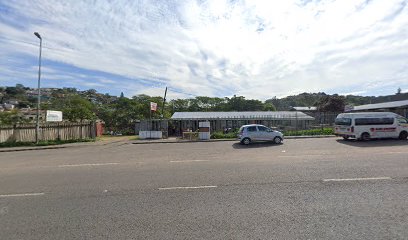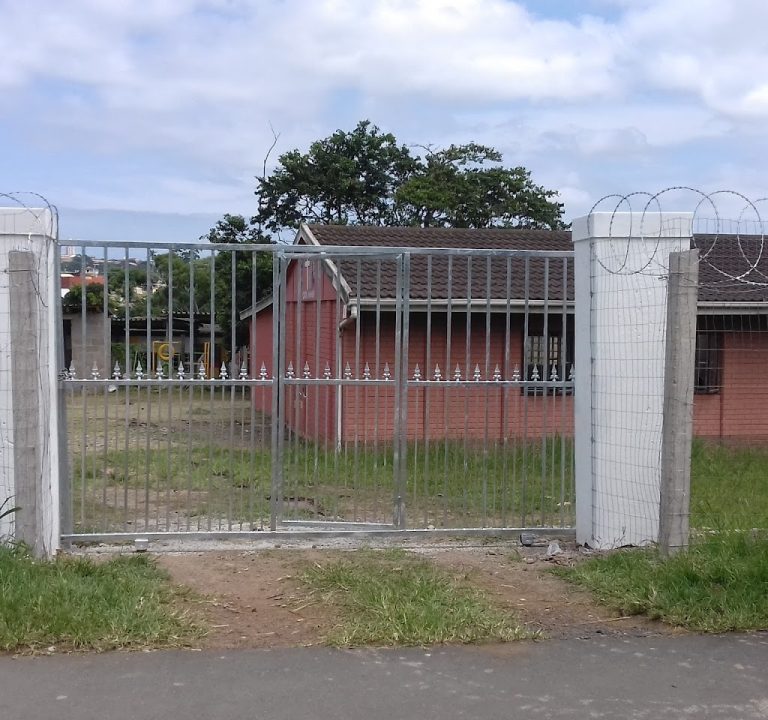
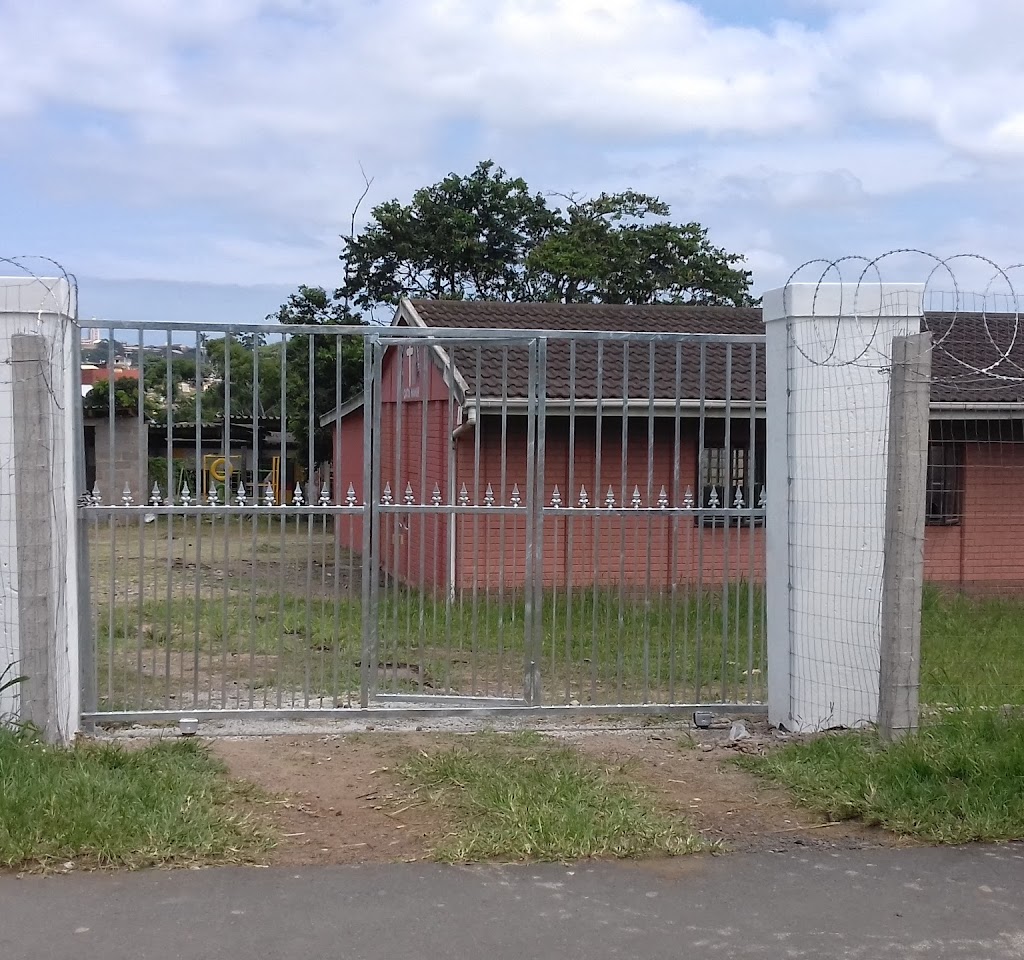
St Benedict Church is a Catholic church establishment in Durban, KwaZulu-Natal, South Africa
Durban
KwaZulu-Natal
4091
South Africa
Sorry, no records were found. Please adjust your search criteria and try again.
Sorry, unable to load the Maps API.
Catholic Church Services in Durban, KwaZulu-Natal
Durban, situated on the eastern coast of South Africa in KwaZulu-Natal, hosts a network of Catholic parishes that serve diverse communities. The city’s Catholic churches typically offer a range of liturgical and sacramental activities that reflect the universal rhythms of the Catholic Church while incorporating local languages and cultural practices. Visitors can expect a structured pattern centred on the celebration of the Eucharist, public prayer, and the administration of sacraments.
Mass, the central act of Catholic worship, is usually celebrated on Sundays and feast days with additional weekday Masses offered at many parishes. Sunday Mass tends to be the principal gathering, often accompanied by choir or musical accompaniment and a homily or sermon delivered by a priest. Weekday Masses provide an opportunity for daily prayer, contemplation, and the faithful’s regular reception of the Eucharist. Depending on the parish, Mass may be offered in English, isiZulu, or other languages spoken by local communities. Lectionary readings follow the liturgical cycle, and many parishes include opportunities for reverent quiet before or after Mass.
A typical church visit in Durban may also include access to the Sacrament of Reconciliation (confession), usually offered before or after Mass on Saturdays or by appointment during weekdays. Parishes often provide information about catechesis and preparation for sacraments such as First Communion, Confirmation, and Baptism. Newly affiliated families, couples planning marriage, or individuals seeking to renew their faith may engage with parish missionaries or catechists who guide participants through appropriate rites and programmes.
In addition to liturgy, Catholic life in Durban commonly encompasses a variety of devotional practices. These may include Rosary gatherings, Adoration of the Blessed Sacrament, novenas, and liturgical processions on special feast days. Community and outreach programmes, such as charity drives, soup kitchens, or refugee support initiatives, may be coordinated through parish pastoral councils and associated organisations. While the emphasis remains on Catholic doctrine, parish life often brings together residents from different cultural backgrounds, reflecting Durban’s multicultural character.
Practical considerations for visitors and newcomers include attending Mass a little before the scheduled start to accommodate seating and quiet preparation. Dress tends to be modest and respectful, aligning with the reverent atmosphere of worship. When observing, expect sacristans and altar servers to assist with liturgical movements, and note that collection plates might be passed during the offering. Communion is generally shared with practising Catholics who have prepared to receive the Eucharist; non-Catholic visitors can approach the priest for a blessing if preferred. It is common for parishes to provide language assistance or printed materials outlining readings and responses in multiple languages.
Durban’s Catholic churches are usually easy to locate through parish websites, notice boards, or local parish halls. Visitors should consider practical arrangements such as parking availability, public transport access, and accessibility for individuals with mobility needs. Some parishes are centrally situated in busy districts, while others serve residential areas with closer-knit communities. Attendance at special rites—such as weddings, baptisms for infants, or ordinations—follows its own timetable, and interested individuals are advised to contact the parish office for precise schedules and preparatory requirements.
Overall, Catholic church services in Durban offer a consistent liturgical structure anchored in the Eucharist, complemented by a welcoming approach to language, culture, and charitable activity. The experience emphasises reverence, communal prayer, and the practical pastoral care available through parish communities across KwaZulu-Natal.