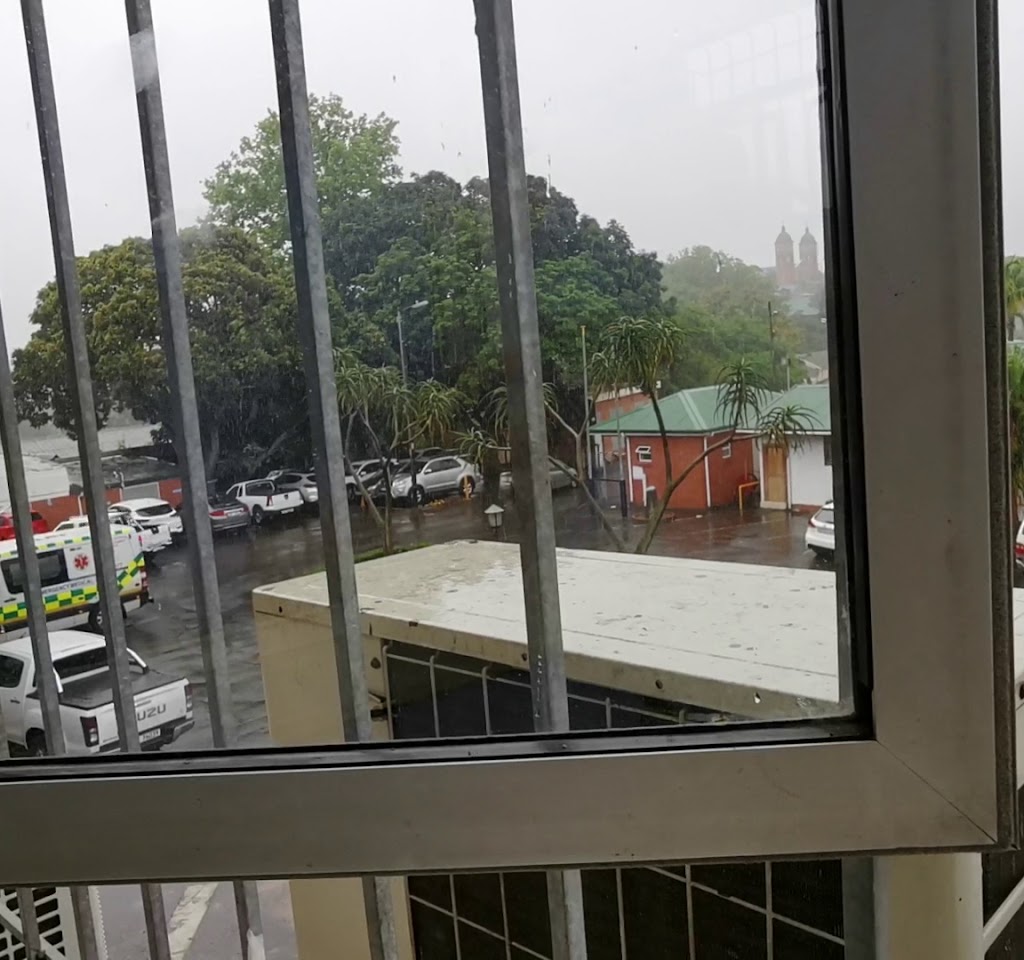
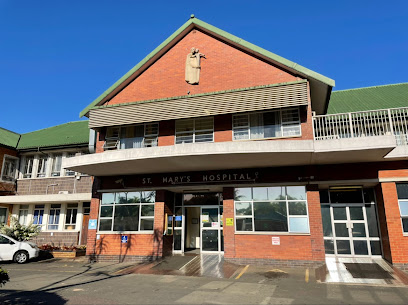
St Mary’s Hospital is a Government hospital establishment in Pinetown, KwaZulu-Natal, South Africa
Pinetown
KwaZulu-Natal
Mariannhill
South Africa
Sorry, no records were found. Please adjust your search criteria and try again.
Sorry, unable to load the Maps API.
Overview of Government Hospital Services in Pinetown, KwaZulu-Natal
Government hospital services in Pinetown are part of the KwaZulu-Natal Department of Health’s public health system, designed to provide accessible care within the metropolitan region of eThekwini. These facilities typically serve a broad range of medical needs, from urgent treatment to ongoing management of chronic conditions. As an outer suburb of Durban, Pinetown public hospitals contribute to a network of district and regional services that prioritise primary care, acute care, and specialist support through referrals.
In practice, patients presenting to a government hospital in Pinetown can expect a structured progression through care pathways. Emergency departments operate to treat life-threatening and time-critical conditions, with rapid assessment and stabilisation followed by admission, observation, or transfer as needed. Non-emergency cases may be managed in outpatient clinics or admitted for short- or longer-term care depending on severity. The system emphasises a collaborative approach among medical, nursing, radiology, and laboratory staff to support timely diagnoses and treatment plans.
Common service areas include maternity and paediatric care, general surgery and allied procedures, internal medicine, orthopaedics, and rehabilitative services. Diagnostic imaging and laboratory testing are integral, providing essential information for clinical decision-making. Where necessary, patients may be referred to higher levels of care or specialised units, ensuring continuity through the public health network. Public health facilities also focus on infectious disease control, vaccination programmes, and community-facing health education to support prevention alongside treatment.
Depending on the facility, there are dedicated wards and units handling chronic disease management, including hypertension, diabetes, and respiratory conditions. Specialist clinics may operate on a scheduled basis, with incidentals such as follow-up appointments, treatment adjustments, and investigations coordinated through the hospital’s clinical teams. Mental health services, social work, and case management are commonly available to assist patients and families in navigating care and accessing community resources.
- Emergency and trauma care
- Maternity, obstetric, and neonatal services
- General medicine and surgical services
- Pediatric and neonatal care
- Diagnostic imaging and laboratory services
- Rehabilitation, physiotherapy, and occupational therapy
- Pharmacy and medication management
- Chronic disease management and specialist clinics
- Public health programmes and vaccination campaigns
Practical considerations for visitors and patients include the likelihood of queues and the importance of bringing required documentation, such as identification and relevant medical records. Registration procedures typically exist at hospital entrances or patient intake points, followed by triage to determine urgency. Waiting times can vary based on time of day, department load, and the nature of the condition. For medical aid holders, eligibility for subsidised or state-funded care is determined within the public system, with costs and billing governed by national and provincial policies. Non-emergency consultations are usually arranged through official channels, with instructions provided by healthcare staff on aftercare and follow-up arrangements.
Facilities in Pinetown aim to balance rapid access to urgent care with comprehensive management of ongoing health needs. While the specific services and capacities may differ between individual hospitals, the overarching model emphasises cost-effective public healthcare delivered to residents and neighbouring communities. Prospective patients can expect a patient-centred approach, with emphasis on clinical assessment, appropriate referrals, and supportive services designed to improve health outcomes across the district.