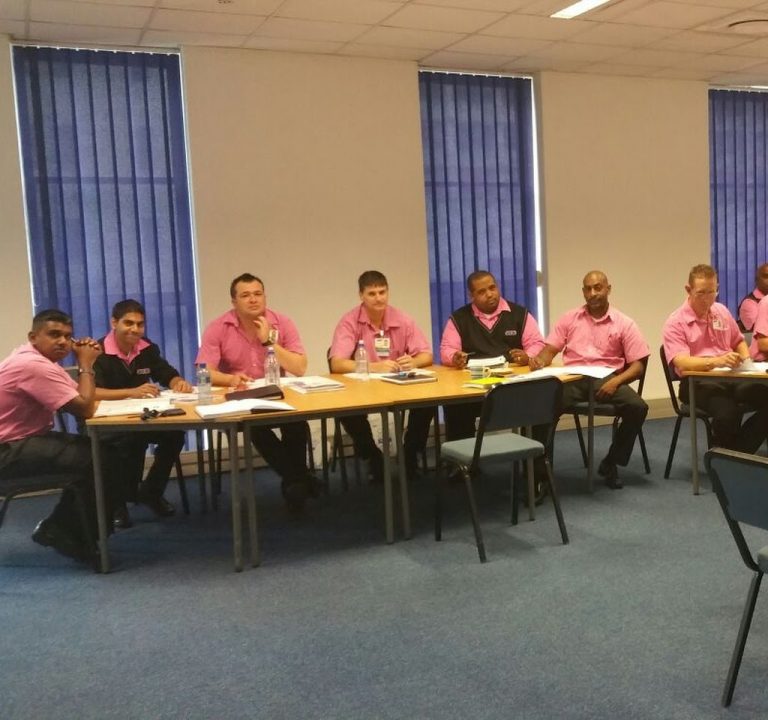
Supreme ICT Academy Durban is a Training centre establishment in Durban, KwaZulu-Natal, South Africa
Supreme ICT Academy Durban – Training centre in Durban, KwaZulu-Natal
Supreme ICT Academy presents itself as a MICT SETA-accredited training provider with official partnerships including CompTIA and AICert. The organisation emphasises practical, employer-aligned ICT, telecoms and management courses designed to prepare learners for real-world roles. Training is delivered in multiple formats to suit different needs, including online, blended and classroom options, with a focus on hands-on experience through modern labs and real-world projects.
The portfolio spans ICT and management disciplines, aiming to build future-ready skills across Africa. Accredited by recognised bodies and trusted by industry, the academy highlights practical labs, exam vouchers and a delivery model that accommodates self-paced online study as well as instructor-led sessions. The emphasis on employer relevance is reinforced by statements from leadership about preparing learners to join top employers and by the breadth of courses that align with current industry demands.
Key features highlighted in the course offering include a mix of self-paced online options, instructor-led training, and in-classroom experiences. The training provider brands itself as flexible and job-focused, with a track record of learner outcomes and corporate partnerships. The institution also notes its BBBEE credentials and female ownership, positioning the organisation within South Africa’s inclusive transformation agenda.
In addition to the standard ICT tracks, the academy shows a commitment to advanced pathways such as AI foundations and telecommunications-focused training. The AI Foundations (AICert ATP) and Optic Fibre Splicing courses demonstrate an emphasis on both emerging technologies and essential infrastructure skills. The stated aim across programmes is to equip participants with practical capabilities that translate directly into workplace performance and career progression.
The overall learning experience is complemented by facilitator expertise drawn from IT, telecoms, AI, human resources and management backgrounds. A dedicated team of facilitators brings industry experience to the curriculum, including hands-on field training and lab work that mirrors real-world environments. This practical emphasis is a recurring theme in the programme descriptions and learner testimonials.
Viewable course offerings indicate coverage of core CompTIA qualifications (including Network+ and Server+ variants) alongside fibre optics, optical fibre splicing and management-oriented training. The price points shown for several courses suggest a tiered structure designed to accommodate individuals seeking specific certificates or broader competency across digital skills, infrastructure, and professional development. The course catalogue signals a broad, employer-facing catalogue that supports both entry-level entrants and mid-career professionals seeking to upskill.
Client and learner testimonials in the available content highlight outcomes such as securing fibre-related technician roles, readiness for field work, and validation of fibre optics skills. The feedback points to instructors with extensive practical experience and a learning approach that blends theory with tangible lab exercises and on-site readiness. While individual experiences vary, the sentiments underscore practical preparation for real-world ICT infrastructure and telecoms operations.
Typical job types and industries associated with the training focus include optic fibre operations, fibre splicing and technician roles, along with broader IT support, network administration and end-user computing positions. Facilities management and energy management roles are also referenced in learner stories, illustrating the potential applicability of digital skills to facilities-related technology contexts. The programmes appear suitable for those pursuing entry into ICT as well as professionals seeking reskilling within telecoms and related sectors.
Practical tips for customers considering Supreme ICT Academy include planning around flexible delivery options—online study can suit remote or time-constrained learners, while blended and in-classroom formats suit those who benefit from hands-on labs and direct instructor support. Learners should take advantage of practical labs and exam vouchers where offered, ensuring readiness for certification assessments. When exploring courses, reading course pages and viewing full catalogues can help identify pathways that align with anticipated job roles, such as fibre optics, AI foundations or CompTIA certifications.
Regarding accessibility and location, the organisation operates within Durban and serves clients and learners across South Africa, reflecting its national scope through partnerships with corporate and government clients. While specific business hours are not listed in the available material, the emphasis remains on flexible delivery and corporate training solutions, indicating that programmes may be structured to accommodate both standard schedules and customised corporate arrangements.
Durban
KwaZulu-Natal
4000
South Africa


Sorry, no records were found. Please adjust your search criteria and try again.
Sorry, unable to load the Maps API.
Training centre services in Durban, KwaZulu-Natal
Visitor organisations and individuals seeking formal and practical instruction in Durban, KwaZulu-Natal, will find a range of training centres offering programmes across multiple sectors. These centres commonly provide structured learning experiences designed to improve practical competencies, workplace readiness, and professional knowledge. They cater to recent school leavers, employed professionals seeking upskilling, and organisations pursuing workforce development within the province’s commercial, industrial, and hospitality sectors.
Typical services include a selection of short courses, certificate programmes, and more extensive diplomas or recognised qualifications. Courses are often organised by subject area such as information technology and digital literacy, project management, business administration, customer service, and human resources. Vocational and trades-based training may cover areas such as engineering fundamentals, construction skills, electrical work, and manufacturing processes. In addition, many centres offer specialised programmes in sectors that reflect Durban’s economic profile, including tourism, hospitality, and food safety, with a focus on practical application and on-the-job relevance.
Assessment and progression are standard features of training centre offerings. Learners commonly undertake practical demonstrations, written assessments, and portfolio-building tasks to demonstrate competence. Some centres also provide simulated environments or workshop-based practice to mirror real-life conditions before progression to work placements or internships. The aim is to ensure that graduates leave with demonstrable skills that translate directly into the workplace.
Training centres in Durban frequently adopt flexible delivery modes to accommodate diverse learners. While traditional full-time courses exist, there is also emphasis on part-time study, evening classes, and weekend sessions to fit work commitments. In addition, blended learning approaches are common, combining classroom instruction with online learning materials, guided assignments, and remote support. This mix helps participants balance study with professional and personal responsibilities.
Qualified trainers are a central element of the learner experience. Instructors typically bring industry exposure alongside formal teaching credentials, enabling practical demonstrations, real-world case studies, and contemporary insight into local business needs. Learner support services may include career guidance, assistance with placement opportunities, and advice on further study or professional development pathways.
Facilities vary between venues but commonly include well-equipped classrooms, computer labs with relevant software, workshop spaces for hands-on practice, and dedicated areas for assessments. Some centres provide on-site amenities such as break rooms, cafés, or access to public transport routes within easy reach of central Durban or suburban precincts. Accessibility considerations, including parking, disabled access, and proximity to major business districts, are often highlighted as practical factors for prospective attendees.
Practical considerations for choosing a Durban training centre include the relevance of the curriculum to local industry needs, the presence of recognised or credible accreditation, and the availability of industry-aligned partnerships or work placements. Organisers may outline expected outcomes, such as improved employability, specific skill certification, or the ability to perform certain tasks safely and efficiently. Prospective learners are advised to verify the duration, cost, funding options, and any prerequisites before enrolling, and to consider how the programme aligns with future career objectives.
For organisations seeking to upskill staff, many Durban training centres offer customised programmes designed to address particular business challenges, regulatory requirements, or productivity goals. Custom courses can focus on elevating service standards, improving technical competencies, or delivering leadership and team development interventions. The process typically involves initial consultations to assess needs, followed by tailored content development, scheduling, and assessment plans to ensure clear outcomes and measurable progress.
Overall, Durban’s training centres deliver accessible, applied education aimed at enhancing employability and practical capability within KwaZulu-Natal. They serve a broad audience by offering a spectrum of courses, flexible delivery options, and practical instruction grounded in local industry contexts.