no-image
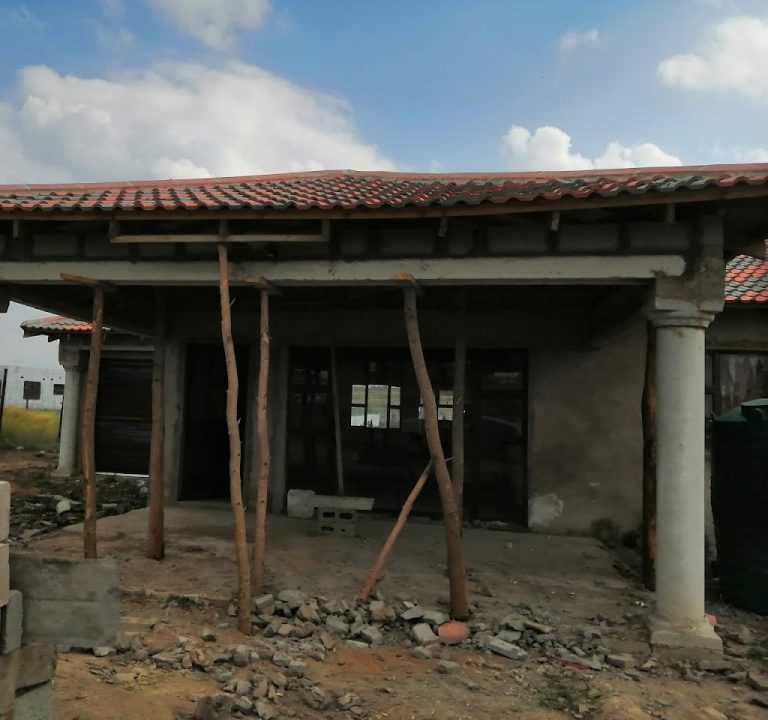
Tafelkop Primary is a School establishment in Cele, Kwa-Zulu Natal, South Africa
Cele
Kwa-Zulu Natal
4142
South Africa

no-image
Sorry, no records were found. Please adjust your search criteria and try again.
Sorry, unable to load the Maps API.
Overview of School Services in Cele, Kwa-Zulu Natal
In Cele, Kwa-Zulu Natal, school services are organised to support students from primary through secondary education, with a focus on accessible learning, safety, and community involvement. The offerings typically cover admissions guidance, daily administration, academic support, and a range of extra-curricular activities designed to complement classroom learning. Education professionals in the area emphasise practical pathways for learners to progress through schooling, while taking into account local transport, facilities, and family responsibilities.
Admissions and administration form the backbone of school services. Prospective families can expect clear information on registration periods, required documents, and timelines for grade progression. Once enrolled, learners are supported through timetabled classes, attendance tracking, and regular communication with caregivers about reports, progress, and any special arrangements. Local schools often publish termly calendars and policy notes to help families plan around assessments, parent evenings, and school events.
Academic support is a central aspect of services in Cele. Schools typically offer a balanced curriculum aligned with national and provincial standards, including core subjects such as language (English and isiZulu may be emphasised), mathematics, science, social studies, and life orientation. Additional tutoring or after-school study sessions may be available for learners who need extra help, though availability can vary by school. Homework clubs, reading programmes, and study resources in the library are common features that aid independent learning and literacy development.
Extra-curricular activities form a significant component of the school experience in Cele. Beneficiaries include sports programmes (for example, football, netball, and athletics), cultural activities, music ensembles, arts and crafts, and science clubs. Participation in these activities is often encouraged as a means to build teamwork, discipline, and confidence, as well as to provide avenues for recognising talent and achievement beyond standard examinations.
- Transport and safety: Many learners rely on school transport arrangements or orderly public transport routes, with some schools organising safe drop-off and pick-up points. Schools also prioritise security on campus, proper supervision during breaks, and clear procedures for visitors and emergencies.
- Nutrition and wellbeing: Some schools run feeding schemes or partner with community organisations to provide meals or snacks. Counselling and welfare services are commonly available or accessible through referrals to district health services, aimed at supporting mental health, stress, and social wellbeing.
- Facilities and accessibility: Classrooms, libraries, science laboratories, and information technology resources are typical, with efforts to maintain safe, well-lit spaces. In larger schools, sports grounds and performing arts spaces contribute to a well-rounded educational environment.
- Parental involvement: Parents and guardians are encouraged to engage with schools through meetings, volunteer opportunities, and communication channels that relay academic progress and school developments.
Practical considerations for families in Cele include planning for transport to and from school, understanding local school calendars, and budgeting for essential supplies such as uniforms and learning materials. Schools generally provide guidance on required stationery, uniform standards, and book lists at the start of the academic year. Acknowledging local dynamics, schools may also consider flexible arrangements for learners who live farther from centres or who share transport with siblings or family members.
Overall, school services in Cele reflect a commitment to accessible education, community engagement, and learner development. While the exact offerings can vary between individual schools, families can expect a structured environment aimed at fostering academic growth, physical well-being, and social development, with practical support designed to help learners navigate their educational journeys in Kwa-Zulu Natal.