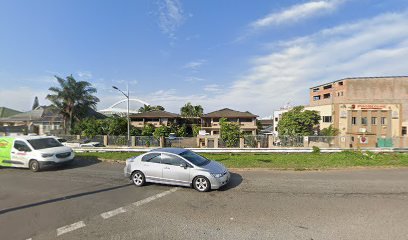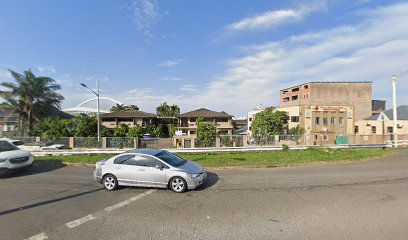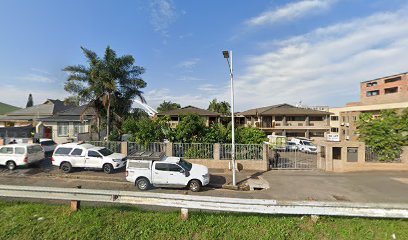
TB HIV Care is a Health establishment in Durban, KwaZulu-Natal, South Africa
TB HIV Care: Health Services and Community-Focused Support in Durban, KwaZulu-Natal
TB HIV Care is an international non-profit operating in South Africa with a strong focus on extending equitable health services to communities across the country. In Durban and the wider KwaZulu-Natal region, the organisation emphasises accessible, evidence-based care that meets people where they are—whether in clinics, public health nodes, schools or local community settings. The approach centres on prevention, testing, treatment support and the addressing of social determinants that influence health outcomes.
Central to TB HIV Care’s offering are mobile health services and targeted programmes that engage diverse populations. The organisation describes its work as community-oriented, delivering wellness support and human rights-informed care to populations at higher risk or marginalised groups. This includes work with youth, key populations and other vulnerable groups to ensure health services are non-judgemental, respectful and person-centred. In practice, this translates to programmes that reach people outside traditional clinic settings, helping to remove barriers to access and to foster sustained engagement with health services.
The main service streams highlighted by the organisation include comprehensive HIV programming, testing, treatment and prevention. A significant emphasis is placed on enabling people living with HIV to remain in care and achieve viral suppression through antiretroviral therapy (ART). The most notable impact indicators focus on testing reach, new HIV diagnoses, PrEP (pre-exposure prophylaxis) uptake among those at risk, ART retention, and viral load suppression. Such metrics illustrate a data-driven commitment to scale and quality in public health delivery, with the aim of improving health outcomes across communities in KwaZulu-Natal and beyond.
Programmatically, the organisation’s work spans several key areas:
- Communities: Mobile health services, wellness support and human rights-based care delivered in clinics, schools and community venues to reach people where they are most connected to services.
- Youth: Initiatives that address the specific health needs of young people, particularly adolescent girls and young women, combining HIV prevention with economic strengthening and empowerment measures.
- Key populations: Targeted engagement with sex workers, people who inject drugs and individuals in correctional settings to improve access to comprehensive, non-judgemental health services.
Customer experience across these programmes is characterised by an emphasis on accessibility, dignity and ongoing support. The organisation highlights the importance of sustained care, with capacity building and partnerships that strengthen health systems and community resilience. Testimonials from participants in various projects reflect a personalised approach, including regular follow-up and support mechanisms that help individuals stay engaged with treatment and preventive services over time.
In addition to direct health services, TB HIV Care documents a commitment to public health leadership and policy influence. Through campaigns and collaborations, the organisation works to expand reach, improve demand for services and keep momentum in long-running public health initiatives. The national footprint indicates a broad operational presence designed to respond to diverse regional needs while maintaining a focus on practical health outcomes in local communities.
Practical tips for potential service users in Durban and the surrounding area include seeking services at public health nodes or partner sites where mobile health outreach is most active, asking about HIV testing and PrEP options, and discussing ART eligibility and support if living with HIV. Visitors should be prepared to engage with counsellors and health workers who provide information in a respectful, non-discriminatory manner, with a view to establishing a clear care plan and follow-up schedule. For those navigating stigma or barriers to care, the organisation’s community-based approach aims to create a welcoming environment that reduces hesitation to access essential health services.
Typical operating hours are not listed in the available materials, so individuals planning a visit should check with local clinics or regional offices for the most accurate times. The Durban-based audience can expect programmes that prioritise accessibility, community engagement and practical, hands-on support designed to improve health outcomes for people living with HIV, at risk of HIV, and those seeking protective health measures such as PrEP. Overall, TB HIV Care presents a holistic model of public health that integrates clinical care with community mobilisation to enhance health access across KwaZulu-Natal.
Durban
KwaZulu-Natal
Morningside, Durban
South Africa
Sorry, no records were found. Please adjust your search criteria and try again.
Sorry, unable to load the Maps API.
Health services in Durban, KwaZulu-Natal
Durban, a major coastal city in KwaZulu-Natal, offers a broad spectrum of health services that cater to both local residents and visitors. Health care in the area encompasses general practice, specialist clinics, public hospitals, private facilities, and community health programmes. The range reflects the city’s diverse population, urban infrastructure, and the regional emphasis on communicable disease control, maternal and child health, and chronic disease management.
Typical health provisions include general practitioners who provide primary care, preventive services, vaccination programmes, and management of common illnesses. General practice often operates in private clinics or medical centres, with consultations focused on early diagnosis, health education, and referrals to specialists when needed. For more specialised needs, Durban hosts a variety of specialist services such as obstetrics and gynaecology, paediatrics, cardiology, orthopaedics, dermatology, and mental health care. X-ray, ultrasound, laboratory testing, and other diagnostic services are commonly available across both private and public settings, enabling timely care decisions and follow-up.
Emergency and acute care are supported by hospital networks that handle trauma, obstetric emergencies, critical illness, and surgical interventions. Public hospitals play a crucial role in offering affordable care, though patients may encounter longer wait times and higher demand, particularly in peak periods. Private facilities are often preferred by those with medical insurance or the ability to self-pay, providing shorter waiting times and a broader range of elective procedures, subject to availability and cost. In both sectors, routine follow-up and chronic disease management—such as diabetes, hypertension, and HIV management—are central concerns, with ongoing monitoring and lifestyle guidance standard practice.
Maternal and child health is emphasised through antenatal clinics, delivery services, postnatal care, and paediatric follow-up. Vaccination programmes and growth monitoring are commonly integrated into primary care settings, with outreach services available in some communities. Mental health services span outpatient counselling, psychiatry referrals, and community-based support, reflecting a growing awareness of mental well-being as part of comprehensive health care.
Preventive health and health promotion are routinely addressed through public health campaigns, workplace wellness programmes, and community health education. This includes information on nutrition, exercise, infectious disease prevention, and access to screening services for conditions such as cervical cancer and breast health, where appropriate. Community health workers and outreach clinics contribute to extending services into peri-urban and rural-adjacent neighbourhoods, aiming to improve access and health outcomes.
Practical considerations for accessing health care in Durban include practical access to facilities, transportation, and language. English is widely used in medical settings, with many health professionals also fluent in isiZulu and other local languages. Public transport, road conditions, and traffic can influence appointment reliability, especially during peak hours or in busy urban areas. Private health care typically requires medical aid cover or upfront payment, with cost varying by service type and facility. Public services may operate on a referral system, particularly for specialist care, and patients may need to register with a municipal or provincial health department for continued treatment.
When seeking care, it is prudent to carry personal identification, medical history, and a list of current medications. Understanding the level of care required—urgent versus routine—helps in choosing the appropriate facility and streamlining referrals. Overall, health services in Durban aim to balance accessibility with comprehensive clinical care, reflecting the city’s role as a major urban hub in KwaZulu-Natal.