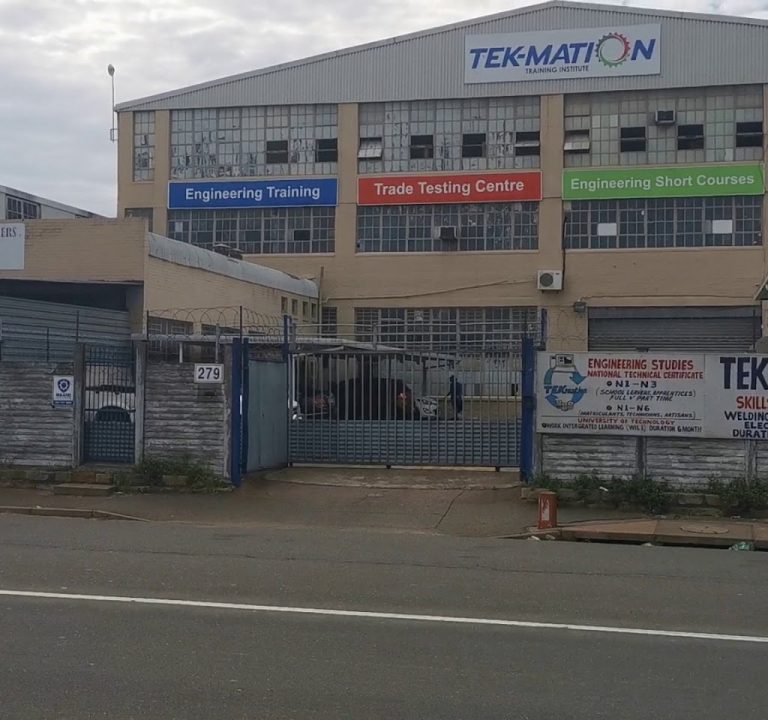
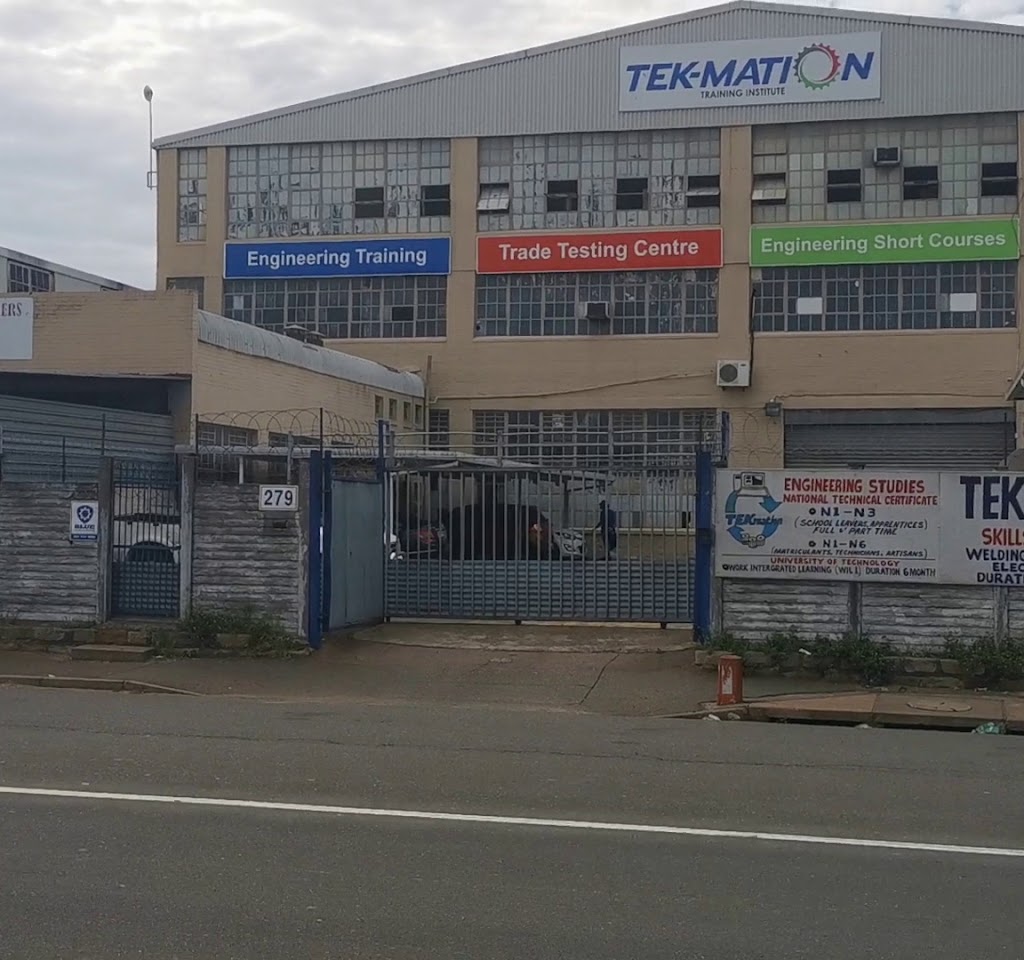
Tekmation Training Institute is a Training centre establishment in Durban, KwaZulu-Natal, South Africa
Tekmation Training Institute — Training centre in Durban, KwaZulu-Natal
Tekmation Training Institute is presented as a sizeable private college specialising in engineering education within Kwa-Zulu Natal. The institution markets itself with a tagline that emphasises excellence as its core value and positions its offerings as tailored to developing practical engineering skills for local learners and aspiring technicians. The description available focuses on core programmes rather than extensive programme detail.
From the available information, Tekmation’s main services centre on structured engineering training and career preparation. The portfolio is described as including:
- Apprenticeships aimed at hands-on, workforce-ready technical competence
- Short engineering courses designed for rapid upskilling or specialised knowledge refreshers
- School leavers’ apprenticeships intended to bridge from education to industry
- NATE-related studies (N1–N6), commonly associated with foundational and vocational engineering education
These offerings suggest a focus on practical, workplace-relevant training aligned with the engineering sector. The emphasis on apprenticeships and NATED (N1–N6) qualification tracks indicates a pathway-oriented approach, guiding students from initial technical grounding through more advanced levels as they accumulate experience and formal credits. While the site highlights the breadth of programmes, it does not provide granular detail about specific disciplines, durations, entry requirements, or delivery formats within each programme.
In terms of the customer journey, information available does not include a step-by-step process for submitting requests or enrolling. However, the content implies a model where prospective learners explore available programmes and then engage with the institution for enrolment and progression in their chosen track. The absence of explicit process descriptions means prospective students may need to seek direct clarification on application steps, intake periods, and campus availability in Durban.
Geographically, Tekmation is positioned to serve Durban and the wider KwaZulu-Natal region. The focus on a Durban-based private college aligns with a demand for engineering education and practical training within the local economy. The centre’s branding—highlighting excellence—suggests an emphasis on pursuing high standards in training outcomes, which may be a consideration for individuals weighing the value of the programmes offered.
From a learner experience perspective, the information available does not include customer feedback directly describing facilities, teaching styles, or support services. With no visitor reviews displayed in the accessible content, potential students may wish to explore aspects such as class sizes, equipment quality, campus facilities, career guidance, and alumni outcomes through direct enquiry or by reviewing forthcoming student testimonials and reviews elsewhere.
Practical tips for customers considering Tekmation Training Institute:
- Verify the exact scope of each programme (apprenticeships, short courses, NATE levels) and confirm which qualifications are recognised locally and industry-relevant.
- Clarify entry requirements, intake dates, and the duration of each programme, particularly for school leaver apprenticeships and N1–N6 tracks.
- Inquire about delivery modes (on-site campus delivery, part-time options, or online elements) and how hands-on training is structured for engineering trade skills.
- Ask about facilities and equipment availability to understand how practical components are delivered and supervised.
- Request information on support services, including academic guidance, career advice, and placement assistance after completion.
- Confirm the campus location in Durban and assess accessibility, transport links, and on-site resources for prospective learners in KwaZulu-Natal.
Overall, Tekmation Training Institute presents itself as a Durban-based provider of practical engineering education with a focus on apprenticeship pathways and NATED qualifications. For prospective students, gathering concrete details on programme specifics, delivery methods, and post-qualification outcomes will be essential to making an informed decision about enrolment and progression within the KwaZulu-Natal engineering sector.
Durban
KwaZulu-Natal
4036
South Africa
Sorry, no records were found. Please adjust your search criteria and try again.
Sorry, unable to load the Maps API.
Training Centre Services in Durban, KwaZulu-Natal
Durban, a coastal economic hub in KwaZulu-Natal, supports a diverse landscape of training centres focused on practical skill development and professional growth. centres in this region typically provide a range of programmes designed to enhance employability, support business needs, and enable lifelong learning for individuals and organisations alike. The environment is often characterised by accessible facilities, practical workshops, and instruction tailored to local industries such as tourism, logistics, construction, information technology, and retail.
Typical offerings include short courses, vocational certificates, and longer accredited programmes that align with national standards. Training centres frequently host introductory courses that upskill beginners and more advanced modules for practitioners seeking speciality knowledge. A common feature across Durban’s centres is the emphasis on hands-on learning, lab-based practice, and real-world simulations to supplement theoretical understanding. For many participants, these pathways lead to improved job prospects, industry recognition, or progression within an existing career track.
In terms of learning formats, Durban centres commonly employ a mix of in-person classes, practical workshops, and blended learning arrangements. Practical components often occur in well-equipped workshops or simulated work environments, while theory may be delivered through structured lessons, seminars, or guided self-study. Some centres provide flexible schedules, including daytime, evenings, and weekend options, to accommodate employed individuals, school leavers, or those balancing family commitments. Where programmes require it, assessments cover practical demonstrations, written tests, and project work to verify competence.
A client-focused approach is usual in this sector, with clear pathways from enrolment through to certification or credentialing. Prospective students are typically guided through programme selection by admission staff or course coordinators who outline prerequisites, duration, and potential outcomes. The nature of the local economy often steers centres towards high-demand sectors, such as hospitality and food service, health and safety, information technology literacy, business administration, and construction site training. This alignment helps ensure that learners gain relevant competencies that translate into tangible workplace applications.
Facilities are an important consideration for Durban learners. Centres frequently showcase well-equipped classrooms, computer labs, and industry-standard equipment for practical sessions. Accessibility is a common priority, with locations chosen for convenient transport links, parking, and proximity to business districts or industrial zones. Safety and compliance are given prominence, with well-maintained environments, safety briefings, and appropriately supervised practical activities.
Quality assurance and accreditation form part of the operating landscape, though specifics may vary by programme and provider. In general terms, successful centres pursue recognised standards and collaboration with relevant sector education and training authorities. Learners can expect clear information about course objectives, entry requirements, fee structures, and any funding or bursary options that may be available through local initiatives or government programmes.
Practical considerations for Durban-based training include the real costs of participation such as tuition, materials, and any examination or certification fees. Learners should verify the total programme duration, the mode of delivery, and the support services offered, including career guidance, placement assistance, or access to alumni networks. By balancing accessible locations, industry-aligned curricula, and supportive learning environments, Durban training centres aim to equip individuals with applicable skills and confidence to advance within the KwaZulu-Natal workforce.