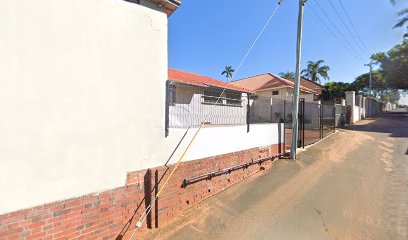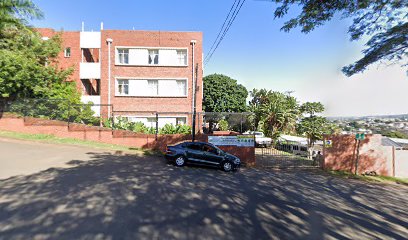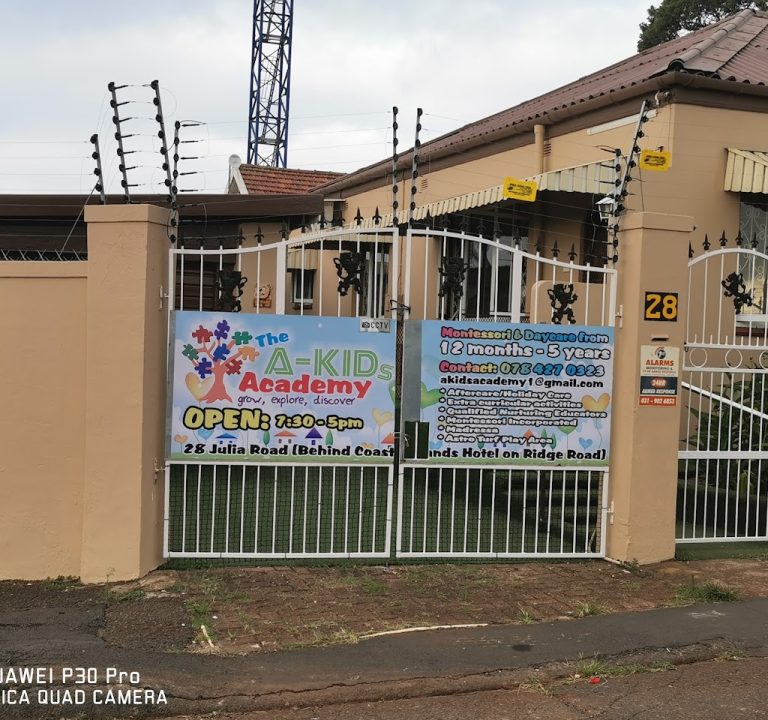
THE “A – Kids” Academy montessori and daycare is a Montessori school establishment in Berea, Kwa-Zulu Natal, South Africa
Berea
Kwa-Zulu Natal
4001
South Africa

Sorry, no records were found. Please adjust your search criteria and try again.
Sorry, unable to load the Maps API.
Montessori School Services in Berea, KwaZulu-Natal
Montessori education in Berea, KwaZulu-Natal is characterised by environments designed to support independent learning, curiosity and practical life skills in young children. Typical services focus on nurturing the whole child through age-appropriate activities, observation-led planning and a calm, organised classroom setting. Schools often emphasise a prepared environment where materials are accessible to children and the teacher acts as a guide rather than a lecturer.
A common offering is a mixed-age classroom arrangement, usually spanning from toddlers to early primary levels. This setup enables peer learning, peer mentoring and the modelling of positive social behaviours. Children may move freely between learning areas, engaging with practical life activities, sensorial materials, early literacy and numeracy resources, cultural studies, and outdoor play. The pace is generally child-led, with teachers introducing new activities as readiness emerges.
Practical life skills form a core component. Activities emphasise self-care, dressing, washing hands, pouring, sweeping and food preparation, which foster concentration, coordination and independence. Sensorial exercises help refine perception and classification, while early literacy and numeracy work through hands-on materials supports gentle progression toward foundational reading and mathematics. Language development is often supported through storytelling, songs and conversational practice in English and, where appropriate, isiZulu or other local languages.
Montessori schools in Berea typically provide a structured daily routine. A typical day may include a uninterrupted work period, followed by teacher-guided discovery, snack times, outdoor play and periods for quiet reflection or rest. Regular observations by staff help identify a child’s interests and developmental stage, informing individualised guidance and group planning. Assessment is usually ongoing and informal, with progress reviews shared with parents during scheduled conferences or preparation for the transition to primary education.
Parents can expect a collaborative approach to learning. Many Berea Montessori settings encourage parental involvement through regular communication, informal workshops, and opportunities to observe classroom activities. Transition plans are commonly offered as children move from early learning to primary years, with careful attention to continuity in curriculum and environment. When appropriate, schools may celebrate milestones and provide portfolios that reflect a child’s developing competencies across a range of domains.
Health, safety and nutrition are important considerations in Berea Montessori provision. Safeguards typically include clean, well-ventilated spaces, secure outdoor play areas, routine cleaning practices and clear supervision during activities. Some schools may offer nutritional guidance or provide wholesome snacks aligned with local dietary preferences and cultural norms, emphasising healthy eating habits. Where possible, outdoor classrooms or garden spaces are encouraged to support physical development and environmental awareness.
Practical considerations for families seeking Montessori services in Berea include assessing the school’s philosophy alignment with child autonomy, the availability of diverse materials, and the attentiveness of staff to individual developmental needs. Location, commute practicality, and the consistency of daily rhythms are relevant factors for busy households. Prospective parents should inquire about language exposure, cultural activities, and the level of parental engagement supported by the school.
In summary, Montessori school services in Berea, KwaZulu-Natal commonly deliver a child-centred, preparation-focused early education that emphasises independence, practical skills, and gentle progression into primary schooling. The approach supports learners in making meaningful choices within a structured framework, while fostering social development, curiosity and confidence in young children.