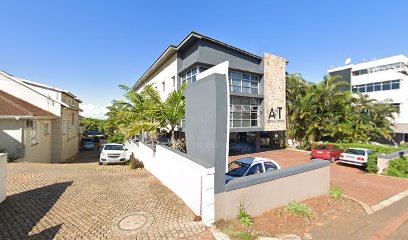
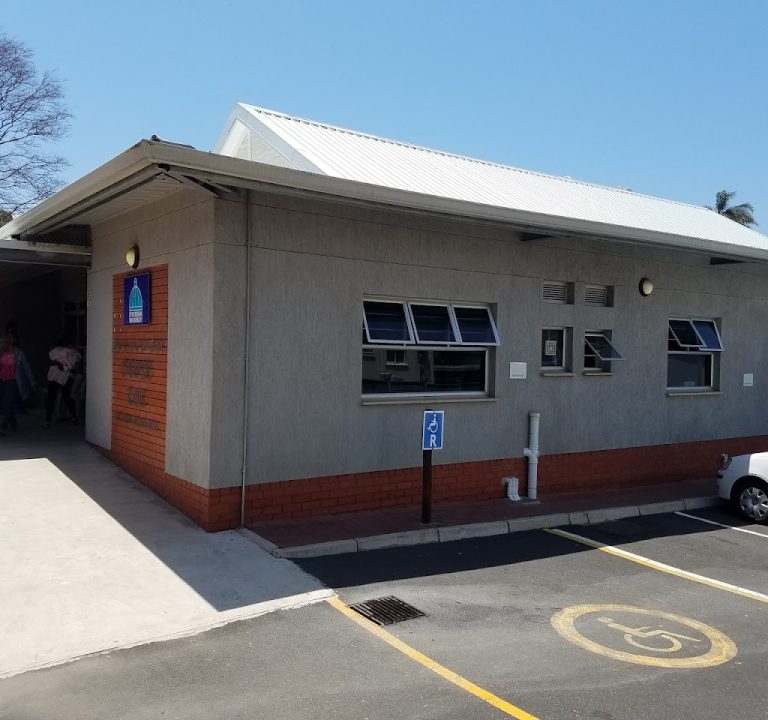
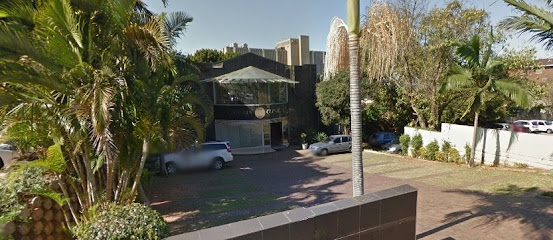
The Durban Eye & Laser Clinic is a Eye care center establishment in Berea, Kwa-Zulu Natal, South Africa
The Durban Eye & Laser Clinic: Eye Care Excellence in Berea, KwaZulu-Natal
Located in the Berea area of Durban, The Durban Eye & Laser Clinic presents a focused, ophthalmology-led approach to eye care. The practice emphasises patient safety, personal attention, and the use of advanced technology to deliver vision improvement and treatment for a range of ocular conditions. As an independent, privately owned clinic, it positions itself as a centre offering both routine eye care and specialised laser procedures under the supervision of a qualified ophthalmologist.
Core services concentrate on refractive and laser eye care, with Lasik highlighted as a key offering. Information available on the site describes Lasik as a procedure that reshapes the cornea to correct refractive errors, using a corneal flap created by a precision instrument and tailored laser application to achieve improved vision. The process is described as involving local anaesthetic drops, an eyelid separator, corneal flap creation, laser reshaping, and a postoperative period that includes antibiotic drops and protective shields. The clinic emphasises the post-operative phase, noting typical experiences such as mild dry eyes and light sensitivity in the days after treatment, plus the necessity to avoid rubbing the eyes and to limit certain activities as healing progresses.
In addition to refractive surgery, the clinic operates within a broader ophthalmic framework that includes the Durban Eye Hospital facility and related support services. This combination reflects a commitment to integrated eye care, combining surgical expertise with a hospital-like environment designed for a range of ocular disorders. The site details the founder, Dr Farouk Moosa, and underlines a philosophy centred on quality control, safety, and a personalised patient experience. With over five thousand laser procedures completed, the practice emphasises a track record of experience while maintaining a patient-centric approach that prioritises comfort before, during, and after procedures.
Disorders and procedures information presented on the site demonstrates a broad knowledge base across common ocular conditions. Educational material covers astigmatism, cataract, diabetic eye disease and retinopathy, glaucoma, macular degeneration, retinal detachment, pterygium, and keratoconus. The content indicates a diagnostic and therapeutic focus that extends from routine examinations to the management of complex eye disorders, supported by accessible explanations of terms and conditions to help patients understand their eye health and potential treatment options. This breadth suggests a clinic capable of addressing both everyday vision concerns and more advanced ocular diseases.
The clinic’s community engagement is highlighted through the Into the Light Foundation, a non-profit initiative dedicated to restoring sight for indigent cataract patients at no cost. Dr Moosa serves as a director and performs cataract procedures within this foundation’s framework, illustrating a commitment to social impact alongside private clinical work. This partnership signals a broader mission that extends beyond standard clinical care into charitable ophthalmic intervention for underserved individuals.
From a patient experience perspective, the site outlines practical information that would be helpful to prospective visitors. The Lasik information section provides candid, step-by-step expectations for the procedure day, including pre-operative lens considerations, post-operative care, and activity restrictions. The guidance around pre-visit preparations, the importance of disclosure about medications, and the need for transport home after the procedure reflects attention to safety and aftercare. For potential candidates, the clinic lists a set of general criteria—age, stability of prescription, overall health, medication considerations, and corneal characteristics—that are typically reviewed during initial consultations to determine suitability for laser correction.
Practical tips for customers include planning for a visible pre- and post-operative pathway: ensuring a clear understanding of lens wear restrictions before Lasik, adhering to post-operative eye-drop regimens, and arranging transport for the day of the procedure. The information also stresses the importance of avoiding make-up and certain activities in the immediate post-operative period to reduce complications. While specific business hours and daily schedules are not detailed on the pages reviewed, the clinic’s contact channels and appointment options are presented, allowing potential patients to assess suitable times to visit in relation to their availability and ocular health needs.
In summary, The Durban Eye & Laser Clinic combines specialist ophthalmology-led laser treatment with comprehensive eye disorder management within a dedicated Durban facility. Its emphasis on safety, long-standing experience, and capacity to engage in charitable cataract work through the Into the Light Foundation shapes a credible image of a well-rounded eye care provider serving Berea and the surrounding KwaZulu-Natal community.
Berea
Kwa-Zulu Natal
4091
South Africa
Sorry, no records were found. Please adjust your search criteria and try again.
Sorry, unable to load the Maps API.
Eye care centre services in Berea, Kwa-Zulu Natal
In Berea, Kwa-Zulu Natal, eye care centres provide a broad range of services designed to safeguard vision and respond to common eye concerns. These clinics typically combine eye examinations, vision correction, and eye health assessments to support residents and visitors in maintaining clear sight and comfortable eyes. The approach is to assess visual acuity, refraction needs, and overall ocular wellness in a single visit, with clear guidance on treatment or follow-up where necessary.
Comprehensive eye examinations form the core offering. A standard assessment usually includes testing visual acuity using standard charts, refraction to determine prescription for glasses, and an evaluation of eye coordination and depth perception. Beyond refractive corrections, practitioners perform a thorough health check of the anterior and posterior segments of the eye. This helps identify conditions such as cataracts, glaucoma, retinal issues, and signs of systemic diseases that can affect the eyes, such as diabetes or high blood pressure.
For those seeking vision correction, many Berea clinics dispense prescription spectacles on-site or arrange fittings with local optical laboratories. A patient-centred process typically involves choosing frames, lens options (including progressive or bifocal designs), and adjustments to ensure a comfortable and accurate fit. Contact lens services are also commonly available, covering fittings for daily, monthly, or specialised lenses, along with guidance on wear schedules, cleaning routines, and storage.
Eye care centres in this area commonly offer preventive eye health services. Glaucoma screening and monitoring are emphasised, often using measurements of intraocular pressure and optic nerve assessment. Diabetic patients may access retinopathy screening to detect early changes in the retina, while age-related macular degeneration screening helps in identifying early signs that merit ongoing observation. These preventive services aim to detect problems before symptoms arise, facilitating timely intervention where required.
In addition to routine check-ups, the clinics provide management and treatment for common ocular conditions. This includes the treatment of red eye, conjunctivitis, blepharitis, dry eye syndrome, and corneal disorders. When professional treatment or specialised care is needed, patients are normally referred to an ophthalmologist for further assessment or surgical consideration. Some eye care centres offer emergency appointments for sudden vision loss, eye pain, or foreign body sensations, with advice on immediate first aid and precautionary steps.
Patient education is a central component of service delivery. Practitioners explain findings in accessible terms, outline the recommended care plan, and discuss practical considerations such as wear-time for contact lenses, lens care, and how often follow-up visits are advised. For families, paediatric eye care is available, focusing on child-specific visual development, acuity testing suitable for younger patients, and guidance on school-readiness visual demands.
Practical considerations for visiting an eye care centre in Berea include location and access, with many clinics situated to serve central urban and suburban neighbourhoods. Public transport and parking availability are often noted, along with hours that accommodate working individuals and families. Some clinics offer appointment scheduling options to minimise waiting times, while others operate walk-in services for urgent matters. Cleanliness, patient privacy, and the respectful handling of personal health information are standard expectations.
Overall, eye care centres in Berea provide a well-rounded set of services aimed at preserving and improving sight. By combining diagnostic precision with corrective solutions and proactive health screening, these clinics assist residents in maintaining eye health and vision for daily life, work, and recreation.