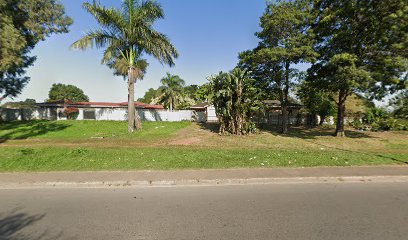
The Headroom is a Recording studio establishment in Durban, KwaZulu-Natal, South Africa
The Headroom Recording Studios — Durban, KwaZulu-Natal
On Durban’s north coast sits The Headroom, a compact yet well-regarded recording facility rooted in the Sea View neighbourhood. The studio is presented as a practical hub for recording, production and live music engagement, drawing on the experience of its founder, Marius Botha, a guitarist and producer with deep KwaZulu-Natal ties. The Headroom is positioned as a creative space that blends technical know‑how with a hands‑on approach to music making, catering to local artists as well as collaborations with visiting musicians.
Main services offered
- Recording studio services: The Headroom operates as a dedicated recording space, emphasising both live room capture and control room workflow. The site highlights equipment, microphone types and positioning, as well as monitoring and acoustic planning—core elements for tracking, editing and mixing within a Pro Tools environment. The emphasis is on practical, musician‑friendly engineering that supports high‑quality audio capture and efficient sessions.
- Music production and collaboration: The facility is described as a site where artists can develop, track and refine material, with a focus on translating ideas into publishable recordings. The involvement of Marius Botha and a network of Durban musicians in various projects signals a collaborative ethos that can assist artists from concept through to final production stages.
- Teaching and development: A notable aspect of The Headroom is its commitment to education through Practical Sound/Recording Engineering Courses. The courses cover two focused tracks—Live Sound (3 days) and Studio (3 days)—addressing stage layouts, PA systems, signal flow, microphone technique, control room acoustics, DAW operation (specifically Pro Tools), tracking, editing, mixing and mastering. This dovetails with a broader goal of equipping local practitioners with hands‑on skills and stress‑management strategies for demanding live and studio environments.
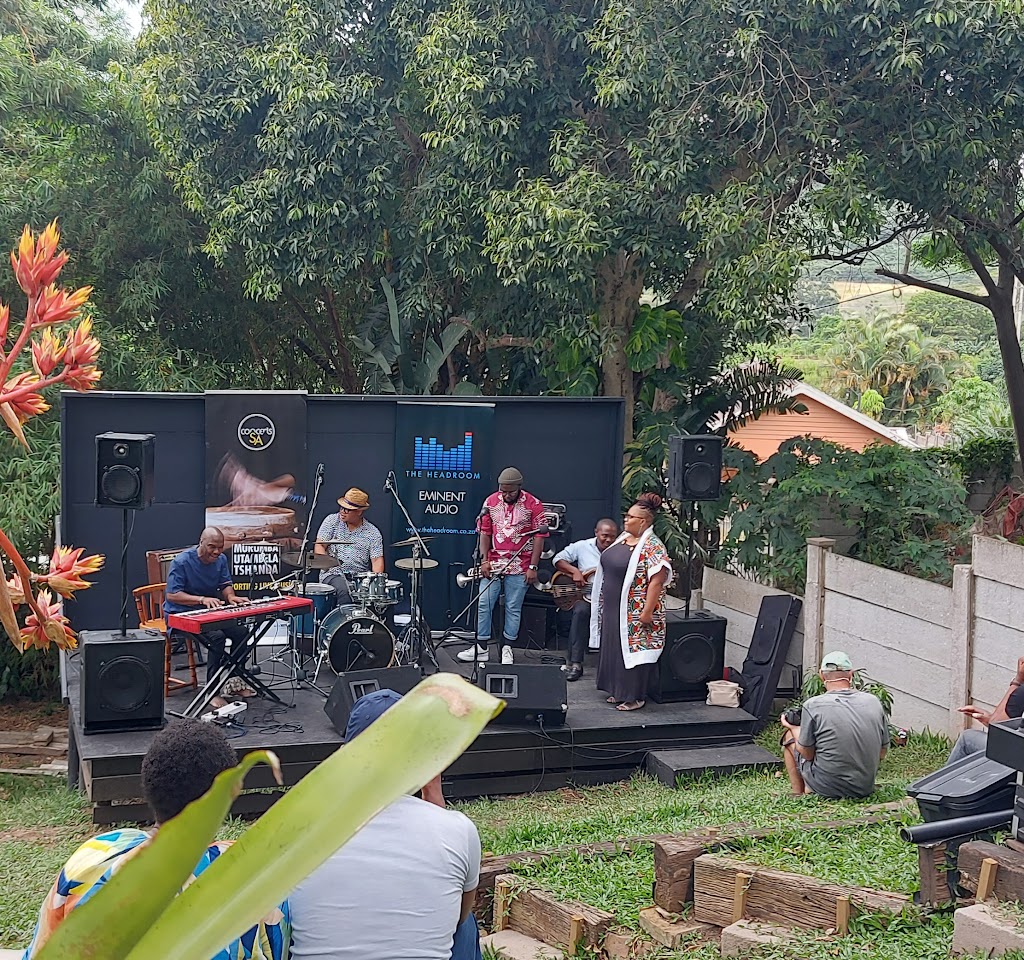
- Live events and showcases: The Headroom hosts regular live events, including Friday “Live at the Headroom” evenings that feature local artists and offer a social listening experience with a short programme. The venue‑based events are curated with hospitality in mind, including drinks and a welcoming atmosphere, demonstrating the studio’s role as a community‑oriented space for performers and audiences alike.
- Community and outreach projects: The site highlights involvement in arts initiatives such as Art Knows No Boundaries, and initiatives around music education and outreach in schools and community spaces. These activities reflect a broader commitment to sustaining the regional arts ecosystem beyond commercial recording work.
Typical job types and industries
- Local musician albums and demos: The Headroom’s roster and photo gallery suggest a strong engagement with Durban’s jazz, traditional and contemporary music scenes. Records, demos and live session recordings appear to be common outputs, supported by the studio’s engineering and production capabilities.
- Live sound for events: The practical live sound course material and the emphasis on stage layout, PA connections, signal flow and monitoring indicate that live sound engineering is an important audience for The Headroom, potentially including event‑based work and educational engagement in this area.
How requests usually work
- Initial inquiry: Prospective clients typically connect to The Headroom for studio recording or live sound training, with Marius Botha and his team providing hands‑on guidance from an informed, Durban‑centred perspective.
<p- Collaboration and delivery: Projects often involve a collaborative process, leveraging the studio’s equipment, room acoustics, and Pro Tools workflow to move from tracking to editing, mixing and mastering. The inclusion of notable local and regional artists in the studio’s photo gallery and accolades showcases a track record of professional engagement and recognised work within the South African music community.
Practical tips for customers
- Prepare a clear brief: Outline the project goals, preferred genres, and any specific sonic targets to help the engineers tailor session plans and microphone choices accordingly.
<p- Bring a collaborative mindset: The Headroom’s strength lies in its partnerships with Durban artists and producers. Open communication about ideas and feedback can streamline sessions and improve the overall outcome.
- Consider education alongside production: For those new to recording, the studio’s Practical Sound/Recording Engineering Courses can be a valuable prelude or accompaniment to recording projects, enhancing proficiency with Pro Tools, tracking workflows and room acoustics.
Location and community served
- The Headroom is based in Sea View, Durban, KwaZulu‑Natal, and serves the Durban metropolitan area and surrounding communities. The site also highlights a network of collaborations with local musicians and cultural initiatives, indicating a strong regional focus and commitment to nurturing South Africa’s arts scene.
Durban
KwaZulu-Natal
4072
South Africa
Sorry, no records were found. Please adjust your search criteria and try again.
Sorry, unable to load the Maps API.
Recording studio services in Durban, KwaZulu-Natal
Durban, KwaZulu-Natal hosts a range of recording studios that cater to artists, producers and businesses seeking professional audio capture and post‑production. The environment typically features seasoned engineers, well‑maintained equipment, and spaces designed to optimise sound quality for diverse genres from pop and hip‑hop to jazz and spoken word. Clients commonly encounter studios that blend traditional analogue sensibilities with modern digital workflows, reflecting the city’s dynamic creative scene.
A typical studio offering in this region provides a set of core services that centres on high‑quality capture, accurate reproduction and refined finalisation of audio projects. First, tracking sessions allow artists to perform with a suitable live or controlled acoustic space, using a variety of microphones, pre‑amps and monitoring options. Engineers often recommend suitable room treatment and mic placement to achieve clean, usable takes, whether for solo vocals, instruments or full bands. Following this, overdubs and comping enable the assembly of the best performances across multiple takes, while beat making, sample programming and sequencing are supported by contemporary digital audio workstations and a wide range of software instruments.
Mixing is a prominent service in Durban studios, where engineers balance levels, EQ, dynamics and stereo imaging to deliver a cohesive track. Clients can expect attention to vocal intelligibility, instrument separation and appropriate ambience without sacrificing musical impact. Mastering, when requested, brings the final polish to competitive loudness, tonal balance and consistency across a collection of tracks intended for distribution or radio play. Some studios also offer analogue rack processing or outboard gear as a flavour option for those seeking a particular character in the sound.
Beyond music production, many Durban studios provide post‑production services relevant to film, television and corporate media. This typically includes voiceover recording, dialogue editing, foley and sound design, as well as audio restoration for archival material. Studio engineers may also facilitate remote collaborations, ensuring that clients from other locations can deliver sessions and receive final mixes without compromising quality.
Practical considerations are a regular topic for prospective clients. Recording spaces vary in size, acoustics and equipment inventories, influencing sound and workflow. Prospective users are advised to discuss project scope, turnaround times and prioritised deadlines in advance, and to assess whether the studio’s monitoring environment accurately represents playback on other systems. Parking, accessibility, nearby amenities and safety provisions are common practical concerns for daily sessions. Adequate isolation between rooms, reliable power supply and backup options for important projects are often crucial features.
The typical client journey begins with a consultation that clarifies project goals, budget expectations and preferred genres. A producer or engineer may guide the process, suggesting suitable studio time, gear and personnel. During longer projects, scheduling and coordination with other contributors, such as session musicians or vocal coaches, become essential. Clear communication about file formats, delivery milestones and rights to the finished material helps ensure a smooth progression from recording to final release.
For those seeking to record in Durban, it is useful to examine a studio’s track record and listening environment by requesting a sample of recent work or a listening session. Although the exact offerings vary between venues, the overarching objective remains consistent: to capture high‑quality sound, enable precise editing and deliver a finished product that supports the artist’s artistic vision and commercial needs.