

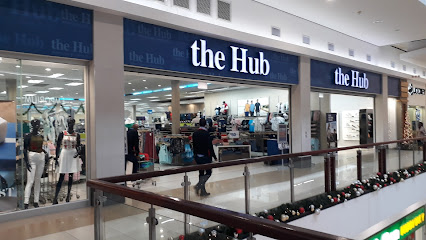
The Hub is a Clothing store establishment in Durban, KwaZulu-Natal, South Africa
The Hub: Clothing Store in Durban, KwaZulu-Natal
The Hub operates as a fashion retailer serving customers in Durban and the broader KwaZulu-Natal region, with an online storefront that showcases a range of ladies and men’s apparel alongside home and gifting items. The site presents itself as a contemporary fashion destination, emphasising accessible styling across multiple categories and price points. While the storefront focuses on fashion essentials, the online catalogue highlights current trends through a selection of best-selling items across both women’s and men’s lines, including dresses, skirts, shirts, jackets, joggers, and knitwear.
Shop offerings are organised into clear categories, enabling shoppers to navigate between ladies’ fashion, men’s wear, footwear, and home gifting. The ladies’ section features a variety of everyday and occasion pieces, including midi dresses, shirt dresses, coats, skirts, trousers, wide-leg pants, and active wear-inspired items. The men’s section presents outerwear such as jackets and softshell options, as well as casual tops, pants, joggers, and golfers. The site also highlights best-seller lists for both genders, signalling a focus on popular, current-season products designed to appeal to a broad customer base.
The Hub communicates its product assortment through product detail pages that indicate item names, colours, and prices in South African Rand (R). Visitors can expect straightforward online shopping functionality, with clear options to select variants (such as colour) and add items to a cart. The store’s emphasis on value-friendly basics is evident from the price points displayed on several core pieces, such as dress and pant options that align with casual, everyday styling as well as more polished, work-ready apparel.
In terms of customer experience, the site appears to be designed for convenience and self-serve online shopping. Buyers can browse by category, view best-sellers, and click through to individual product pages to review details. The presence of an online cart and newsletter signup suggests an intent to keep customers engaged beyond a single purchase, with ongoing updates about new arrivals and promotions. While detailed information about services such as alterations, in-store fittings, or dedicated customer support is not explicitly stated on the site, the framework of an e-commerce store indicates a standard shopping journey that includes product discovery, selection, and checkout through the online platform.
Geographically, The Hub’s online presence states Durban as its locale, with KwaZulu-Natal identified as the broader service area. Although specific business hours are not provided on the visible site content, the Durban focus places the retailer within South Africa’s coastal shopping region, catering to local customers as well as online shoppers who may access the store from the wider province or beyond.
Typical job types and service expectations, based on the available content, fall within standard retail roles such as purchase-ready product categorisation, inventory display, and online order processing. The online store emphasises a practical mix of fashion items rather than bespoke services, suggesting a streamlined customer experience centred on convenient, values-led shopping rather than high-end or specialised tailoring.
- Main services offered: online clothing retail for ladies and men, footwear and home gifting, featured best-sellers, and category-based shopping navigation.
- Typical product types: dresses, skirts, pants, activewear-inspired pieces, outerwear, casual shirts, and jackets for both genders, with a selection of home gifting items.
- How requests usually work: browse by category, view product pages with options (colour/size), add items to cart, and proceed to checkout via the online store.
Practical tips for customers visiting or shopping The Hub online include assessing size guides where available, reviewing product colours and material descriptions on each item page, and noting the price in South African Rand. It is wise to check for new arrivals through the best-sellers section and to consider saving items to a wishlist or subscribing to the newsletter for updates on promotions and forthcoming stock. While specific store hours and in-person services are not detailed in the available content, prospective shoppers in Durban and KwaZulu-Natal can rely on the online platform for a broad range of everyday fashion essentials and accessories.
For those seeking accessible, contemporary wardrobe staples with straightforward online shopping, The Hub presents a clear, user-friendly interface that aligns with regional retail expectations in Durban and the wider KwaZulu-Natal area. The mix of ladies and men’s fashion alongside home gifting offers a practical one-stop destination for casual to smart-casual clothing needs, supported by the visibility of best-selling items that signal popular choices among local shoppers.
Durban
KwaZulu-Natal
Amanzimtoti, Durban
South Africa

Sorry, no records were found. Please adjust your search criteria and try again.
Sorry, unable to load the Maps API.
Clothing store services in Durban, KwaZulu-Natal
Durban’s clothing retailers present a diverse range of services designed to meet the needs of local shoppers and visitors. In urban areas and coastal townships alike, stores commonly offer collections suited to KwaZulu-Natal’s warm, subtropical climate, with seasonal rotations that reflect both practical wear and fashion trends. Customers can expect a straightforward shopping experience that blends everyday essentials with more specialised offerings, catering to families, professionals, students, and event-goers.
A typical Durban clothing store focuses on easy access to a broad selection of garments. Racks and displays showcase casual outfits such as light cotton shirts, breathable dresses, and shorts suitable for humid summers. For cooler evenings and Model-driven occasions, some outlets stock lightweight jackets, sweaters, and smart-casual pieces. Formal wear, school uniforms, and workwear are often available in dedicated sections, with staff guiding buyers through appropriate fabrics, fits, and price ranges. In coastal regions this pragmatic assortment is complemented by fabrics chosen for durability, colourfastness, and ease of maintenance.
Fittings and alterations form a core service. Many stores provide on-site tailoring or partner with local tailors to adjust hems, waistlines, sleeve lengths, and other measurements to ensure comfortable wear. This service is especially valued for school uniforms, work attire, and special-occasion outfits where precise sizing matters. Staff are typically knowledgeable about standard body measurements and may offer guidance on sleeve lengths, necklines, and garment proportions to suit different silhouettes.
Customer assistance and size guidance also feature prominently. Stores often hold size guides, fabric care labels, and fitting advice to help shoppers choose the right match for body type and activity level. In regions with varied body shapes, staff may suggest fits that provide modesty, support, or ease of movement while remaining stylish. Clear information about fabric weight, breathability, and care requirements helps customers maintain garments in the Durban climate.
Payment options and convenience are important considerations. Most clothing retailers accept a range of payment methods, including bank cards, contactless payments, and cash. Some stores offer loyalty programmes or promotions tied to seasonal sales, student discounts, or bulk purchases for schools and organisations. Clear receipts, straightforward returns policies, and accessible refunds contribute to a reassuring shopping experience.
Practical considerations shape the in-store experience. Durban shoppers often prioritise speed and efficiency due to busy urban centres and beachfront areas. Stores may schedule peak hours to accommodate commuters and holidaymakers, with extended hours during festival periods or back-to-school seasons. Accessible locations, adequate parking, and convenient access to public transport are valued. In some districts, off-street markets and pop-up retailers provide yet another channel for clothing purchases, featuring locally produced or affordably priced garments.
A note on sustainability and sourcing is common across many stores. While specific certifications cannot be assumed, customers frequently encounter guidance on fabric care, durability, and washability. Some shops highlight locally produced or regionally inspired designs, particularly in areas with a strong fashion and arts scene. Shoppers are encouraged to consider garment longevity, repair options, and recycling as part of a broader retail experience.
In summary, Durban’s clothing stores deliver practical, climate-conscious apparel complemented by alterations, sizing guidance, and supportive customer service. The emphasis remains on accessible, value-driven shopping experiences that help residents and visitors alike assemble reliable wardrobe staples for Durban’s distinctive seasons and everyday life.


