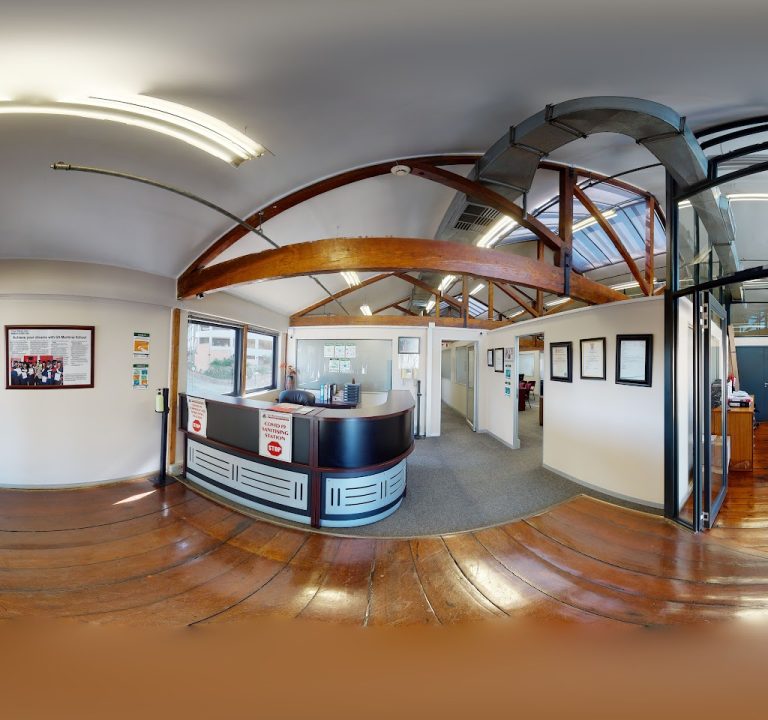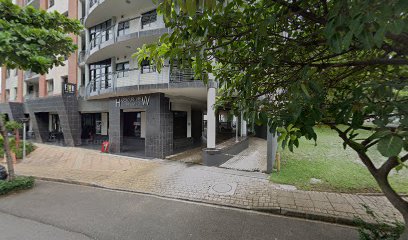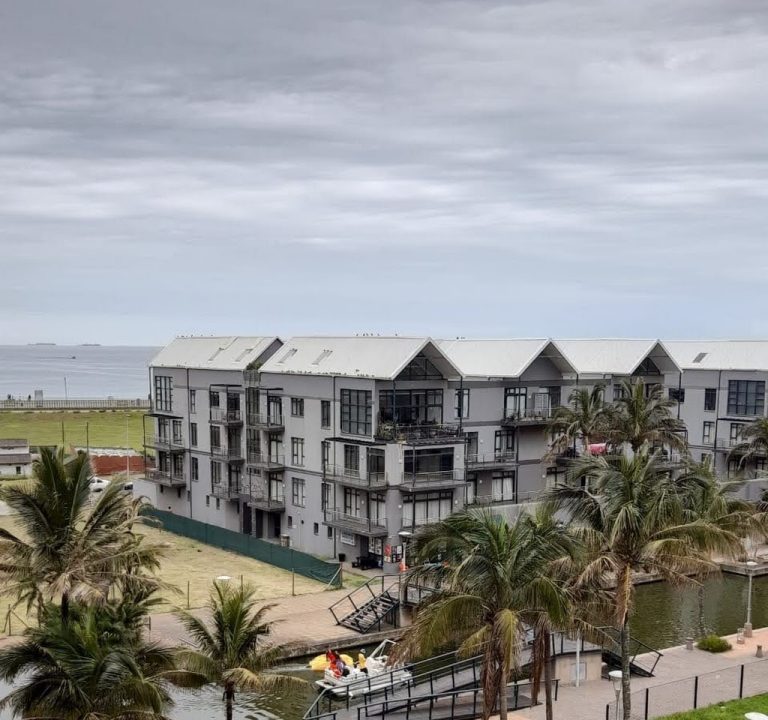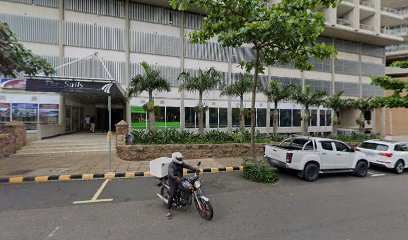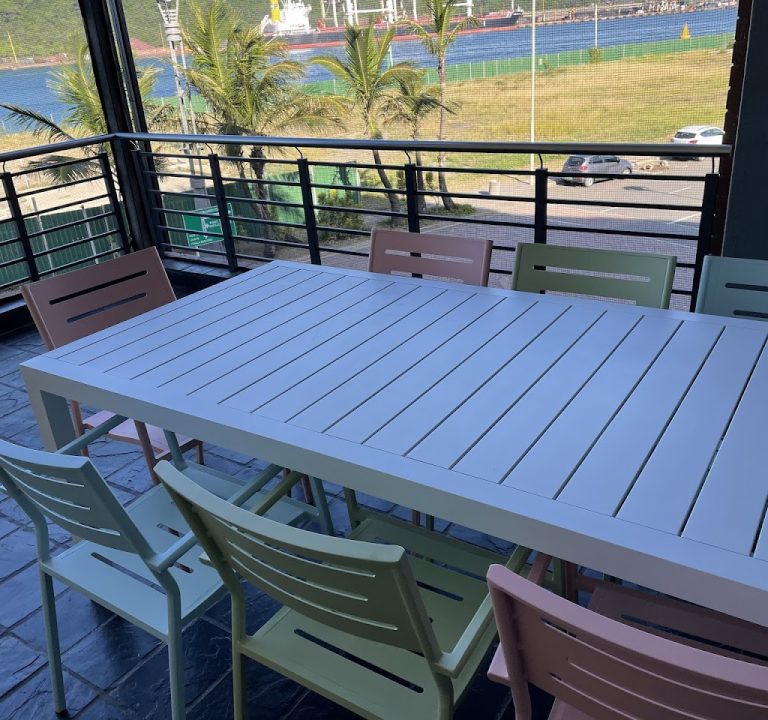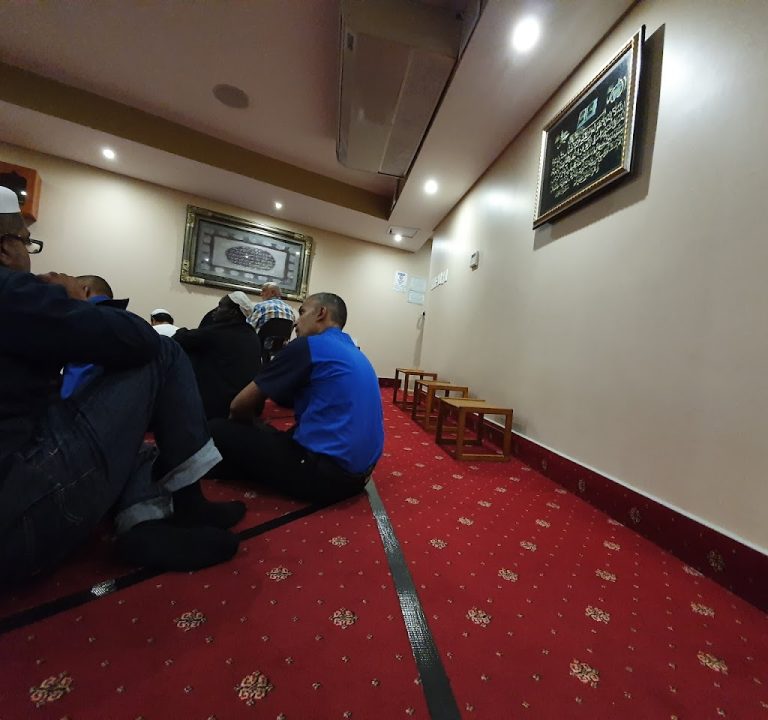
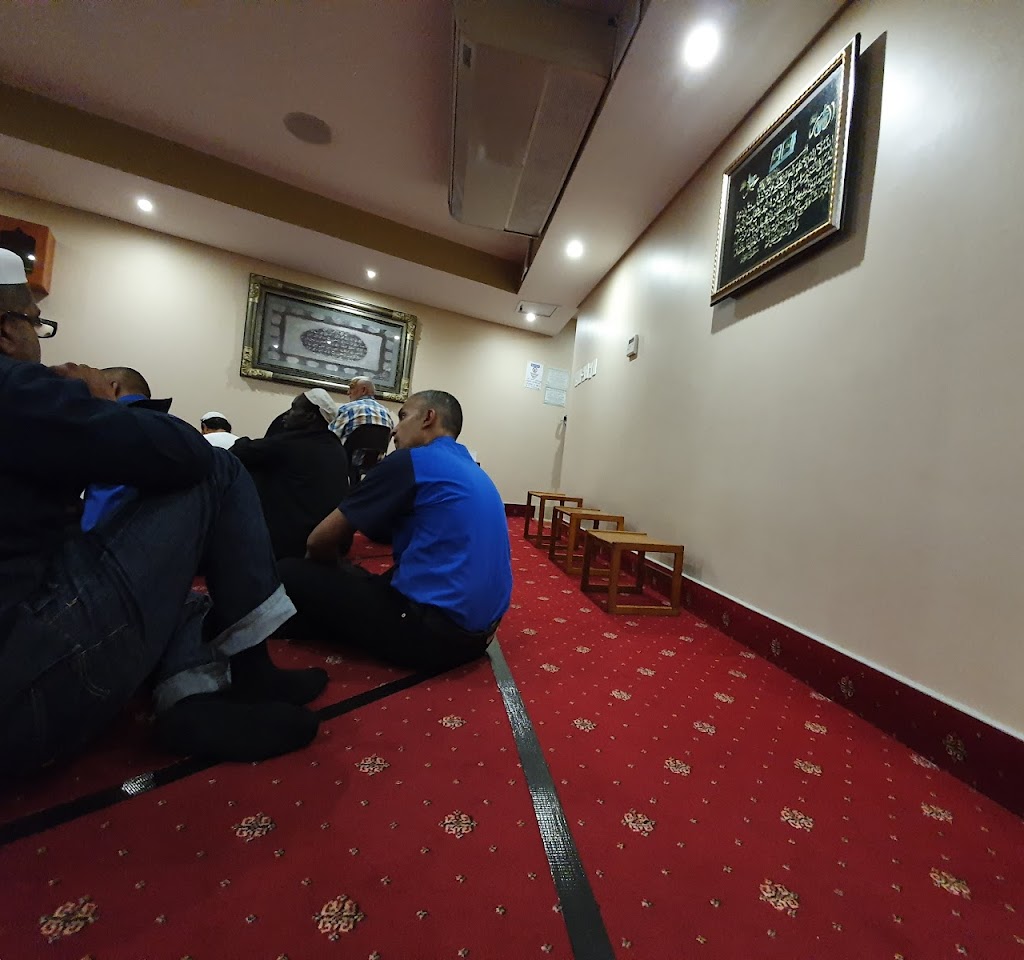
The Sails Musallah (Basement) is a Mosque establishment in Durban, KwaZulu-Natal, South Africa
Durban
KwaZulu-Natal
4001
South Africa
Sorry, no records were found. Please adjust your search criteria and try again.
Sorry, unable to load the Maps API.
Mosque Services in Durban, KwaZulu-Natal
Durban, a coastal city in KwaZulu-Natal, hosts a diverse Muslim community with mosques that serve as essential hubs for worship, learning, and social support. Mosque facilities in this region are designed to accommodate daily prayers, weekend congregations, and special occasions, reflecting the traditions of local communities while welcoming visitors and temporary residents.
Typical services and activities
- Daily prayers: The five daily prayers are publicly observed, with specific spaces allocated for men and women where appropriate. Regular attendance is common, particularly for the Fajr, Dhuhr, Asr, Maghrib, and Isha prayers.
- Friday prayers and sermons: The Jumu’ah congregational prayer on Fridays includes a Khutbah (sermon) that addresses religious guidance, moral issues, and community matters.
- Ablution facilities: Most mosques provide ablution (wudu) areas close to prayer halls to prepare worshippers for prayers.
- Qur’anic study and religious education: Classes and study circles for children and adults cover Qur’an recitation, Tajweed, Hadith, fiqh, and basic Islamic knowledge.
- Ramadan and special programmes: During Ramadan, mosques organise tarawih prayers, iftar meals, and nightly gatherings for reflection and community cohesion.
- Life events and ceremonies: Mosques often host Nikah (marriage) ceremonies, Janazah (funeral) services, and related rites in a respectful and orderly manner.
- Community welfare and charity: Some mosques coordinate charity drives, food parcels, and assistance programmes for those in need, particularly within local neighbourhoods.
- Educational talks and lectures: Guest speakers and scholars may give talks on topics ranging from heritage and culture to contemporary ethics and social issues.
- Youth and women’s activities: Separate or parallel programmes for women and youth provide space for learning, discussion, and social interaction.
What visitors can expect
- Welcoming environment: Mosques in Durban typically promote an approachable and courteous atmosphere for worshippers and visitors, with guidance available from volunteers or staff when needed.
- Dress and decorum: Modest attire is customary, with modest shoulders and knees covered where appropriate; footwear is removed before entering prayer halls.
- Prayer timings: Prayer times follow local daylight patterns and may be announced on notice boards or through community guidance. Ramadan schedules and holiday periods may affect opening hours.
- Language: In Durban, services may be conducted in English as well as local languages and Urdu or Arabic in some communities, depending on the mosque and congregation.
- Accessibility: Some mosques offer facilities to accommodate people with mobility needs, including wheelchair access and seating arrangements, though this varies by building.
Practical considerations for visitors
- Parking and access: Parking arrangements vary; arriving a little early is helpful to locate appropriate access after security checks if present.
- Respectful conduct: Silence or low conversation inside prayer halls during prayers and lectures is customary, and photography policies should be respected where posted.
- Location context: Mosque locations are often integrated into residential areas or town centres, reflecting the everyday dynamics of Durban communities; street access and public transport connections are practical considerations for planning visits.
- Seasonal variations: The volume of attendees can fluctuate with religious seasons and local events, which may influence waiting times or hall allocations.
In summary, mosque services in Durban offer a broad range of religious, educational, and charitable activities that support worshippers and the wider community. Visitors can expect structured prayer practices, opportunities for learning, and social programmes designed to foster connection, mutual aid, and spiritual reflection within the KwaZulu-Natal context.