Thekweni Marine Waste Logistics(TMWL) is a Waste management service establishment in Durban, KwaZulu-Natal, South Africa
Thekweni Marine Waste Logistics (TMWL) — Waste Management and Logistics Services in Durban, KwaZulu-Natal
Thekweni Marine Waste Logistics is a Black Empowered Company (BEE Level 1) operating prominently in the Port of Durban with a focus on pumping and disposal of waste slops, spill response, and the safe handling of oil-contaminated water and sludge. Described as a leading provider in its field, the organisation emphasises reliability, safety and accessible service across a 24/7 schedule, seven days a week. The business is positioned to serve both port-related needs and broader industrial and commercial waste management requirements within the KwaZulu-Natal region.
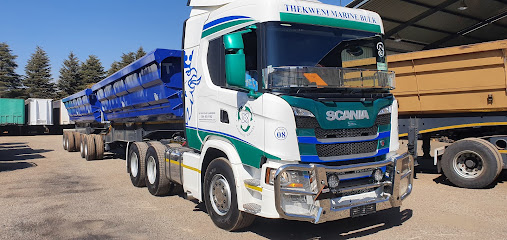
A core element of TMWL’s offering is its fleet capability. The company operates a range of tankers from 10 to 35 tonnes and maintains road tankers suitable for dedicated petroleum oil products. This fleet supports rapid response times for pumping, disposal and spill-cleaning operations, with a stated commitment to weekly maintenance to support high turnaround reliability. In addition to liquid handling, the company maintains a diverse transport capability featuring tri-axle and super link trailers to support dry-bulk logistics and general transport needs.
Waste management services offered include:
- Waste removal and disposal of solid waste, including construction and demolition waste, with a focus on industrial and commercial clients.
- General waste management through a comprehensive range of skips for domestic, residential, and commercial use, designed to accommodate standard household waste as well as larger, heavier, or bulkier items.
- Specialised cleaning services for spillages and pollution control within the Port and surrounding areas, covering slops, oil-contaminated water and sludge.
- Logistics and transportation of dry-bulk commodities such as grains, oilseeds, pulses and fertilisers, supported by a fleet designed to meet industry needs.
The company presents itself as client-focused and service-oriented, highlighting a commitment to competitive pricing and reliable performance. Its management emphasises trained personnel, safety compliance, and ongoing certification within ISO and OHSAS frameworks for internal auditing and procedural alignment with statutory requirements. The emphasis on training is paired with a claim of 24/7 on-call availability, reinforcing a capability to respond quickly to urgent and routine waste management tasks.
Thekweni Marine Waste Logistics positions itself as a port-centric services provider with broader transport industry capabilities. Its stated mission centres on delivering reliable, cost-effective service with high levels of client satisfaction, underpinned by professional conduct and transparent client interactions. The company asserts long-standing experience within the Durban port environment and highlights working with notable clients in shipping and logistics sectors, signalling familiarity with the regulatory and operational dynamics of large-scale industrial waste handling.
Typical job types and industries supported, as described in its public materials, include:
- Port-related pumping and disposal operations for waste slops and oil-contaminated materials.
- General waste removal for commercial, industrial and construction projects, including skip hire for a range of resolutions from small domestic to larger industrial loads.
- Dry-bulk transport needs for sectors such as agriculture and manufacturing, including grains, oilseeds and fertilisers.
Requests for services are framed around round-the-clock accessibility and a fleet capable of handling diverse waste streams. The business communicates a professional approach with a focus on safety, compliance, and timely delivery, supported by a management structure described as dynamic and customer-oriented. The Durban offices and KwaZulu-Natal service area are highlighted as the primary operating footprint, with a recognition of the importance of maintaining service levels across the region’s industrial and maritime activity.
Practical tips for customers planning to engage TMWL include:
- Identify the waste type and volume early to ensure the appropriate tankers, skips or transport assets are allocated.
- Provide location details and access constraints to facilitate efficient pump-out and waste removal operations, particularly in port and waterfront sites.
- Schedule regular maintenance and waste collection cycles for ongoing construction or industrial projects to optimise turnaround times.
- Confirm any regulatory requirements related to hazardous or oil-contaminated materials to ensure proper handling and documentation.
- Leverage the 24/7 on-call capability by alerting in advance for planned major waste removals or spill-response services.
Operating hours are effectively round-the-clock, reflecting a 24/7 service model that supports urgent incident response and continuous logistical operations. Thekweni Marine Waste Logistics serves Durban and surrounding KwaZulu-Natal areas, with a pronounced focus on port-related activities, general waste management for industrial and commercial clients, and the transport of dry-bulk commodities.
Durban
KwaZulu-Natal
4052
South Africa

Sorry, no records were found. Please adjust your search criteria and try again.
Sorry, unable to load the Maps API.
Waste management services in Durban, KwaZulu-Natal: a practical guide for businesses and households
Durban, located on the eastern coast of South Africa in KwaZulu-Natal, presents a diverse landscape for waste management. Service providers in this region commonly offer a range of solutions designed to handle residential, commercial and industrial waste in an efficient, compliant manner. The focus is on safe collection, proper sorting, responsible treatment and responsible disposal, with attention to local regulations and environmental considerations that apply to coastal urban areas.
Typical service offerings commonly encountered in Durban include the regular collection of household and commercial waste, with scheduled pickups that may vary by area and service type. Businesses often require tailored programmes to accommodate high-volume or frequent waste generation, as well as on-site solutions for more specialised materials. A core component is waste segregation at source, enabling easier recycling and more cost-effective processing. Many providers also operate transfer stations or temporary storage facilities to optimise logistics before waste is transported to treatment or disposal sites.
Recycling and material recovery constitute important elements of Durban’s waste management landscape. Services frequently cover paper, plastics, glass and metals, as well as more advanced streams such as electronics and batteries where programmes exist. Organics collection, including kitchen and garden waste, is increasingly offered in residential areas and larger estates, supporting local composting initiatives and soil amendment production. For industrial and commercial customers, recycling audits and reporting may form part of a broader programme aimed at reducing waste to landfill and enhancing sustainability credentials.
Hazardous and special wastes require careful handling. Waste management providers commonly offer guidance and compliant handling for substances such as fluids, solvents, laboratory wastes, medical materials and paints. Strict adherence to safety protocols, storage requirements and regulatory obligations is emphasised, reflecting the necessity to protect personnel and the environment. Construction, demolition and inert waste capture is another typical stream, with roll-off containers or skip hire options designed to accommodate varying project scales and timelines.
Operational considerations and customer expectations often focus on reliability, transparency and compliance. Durban-based services typically communicate clear collection schedules, contingency plans for peak periods, and processes for reporting missed collections or service disruptions. Environmental compliance includes adherence to national and local waste legislation, with attention to licensing, record-keeping and permitted disposal routes. Some providers may assist with environmental impact assessments, waste audits and optimisation suggestions to help organisations reduce waste generation and improve recycling rates.
Practical aspects of using waste management services in Durban include understanding local traffic patterns, weather considerations, and access to property. The coastal climate can influence collection times, while urban infrastructure and road networks may affect routing efficiency. For larger facilities, on-site containers or compactors, regular servicing intervals and safe handling equipment are common features. It is advisable to discuss site-specific requirements, such as access for heavy vehicles, privacy considerations for confidential materials, and the need for secure waste storage areas.
Customers can expect a straightforward process: identify appropriate service streams, establish a collection schedule, arrange for suitable containers, and maintain ongoing communication with the provider regarding changes in waste volumes or composition. By engaging in a compliant, service-oriented waste management arrangement, Durban residents and organisations can support environmental stewardship, reduce disposal costs and align with broader sustainability goals recognised within KwaZulu-Natal.