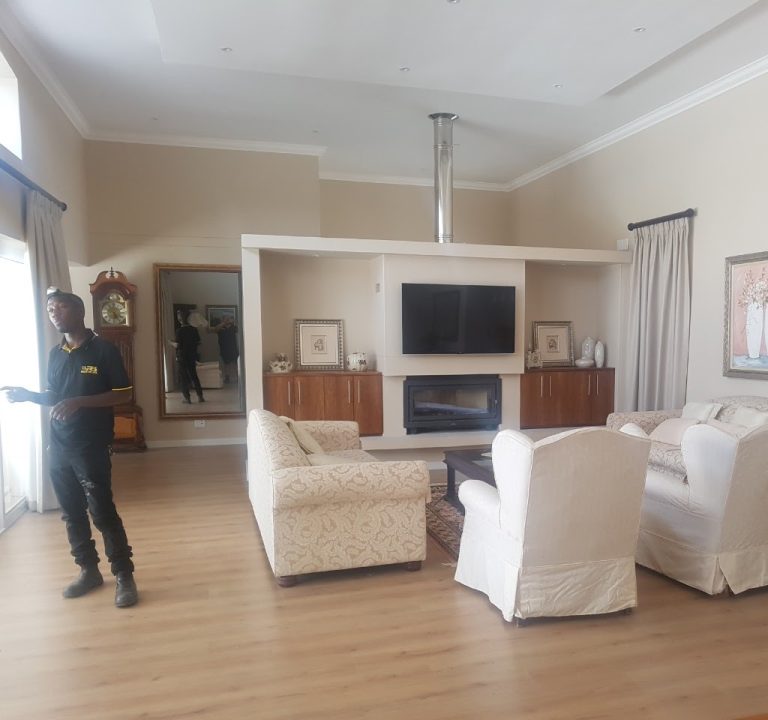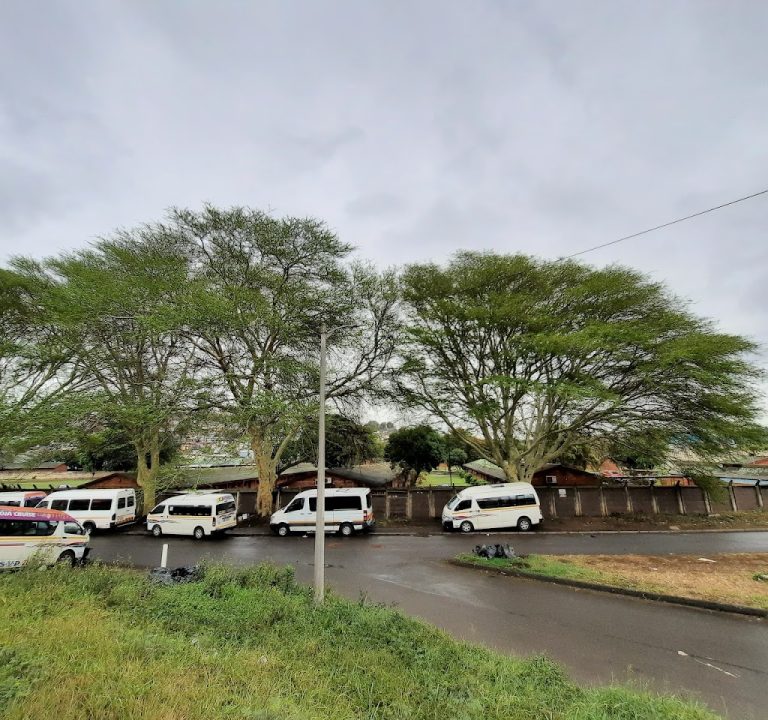
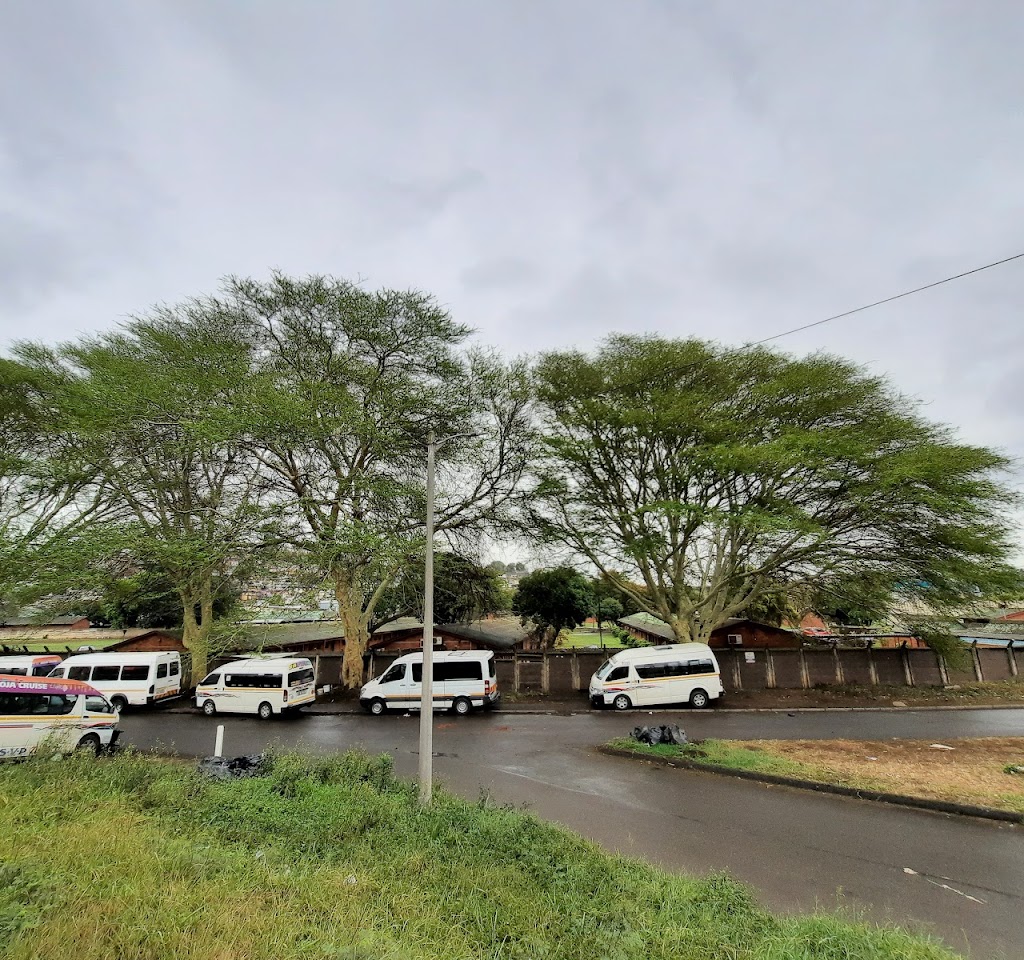
Thekwini TVET College Springfield campus is a Vocational school establishment in Durban, KwaZulu-Natal, South Africa
Thekwini TVET College Springfield Campus – Vocational School Overview
Thekwini TVET College Springfield is part of a six-campus network serving Durban, KwaZulu-Natal. Located within the urban Durban area, the Springfield campus shares the college’s overarching aim to empower learners through technical and vocational education and training that aligns with South Africa’s economic and social development goals. The college operates under a mission to deliver quality, inclusive TVET programmes that prepare students to contribute to economic growth and social progress. The Springfield campus is represented within the college’s broader governance and operations framework, which emphasises commitment, responsiveness, effective communication, accountability, teamwork, ethics, professionalism and respect.
In practical terms, Thekwini TVET College Springfield offers a range of practical, career-oriented qualifications designed to prepare students for immediate employment or further study. Across the college network, National Certificate Vocational (NCV) programmes and Reports 191 qualifications are emphasised, with pathways in Business Studies, Hospitality and Food Services, Travel and Tourism, and related disciplines. The programmes are described as hands-on, with a blend of theory and workshop-based learning intended to provide skills directly relevant to the workplace. The college’s programmes typically include entry routes at various NQF levels, allowing learners to progress from foundational to more advanced studies as appropriate to their background and career goals.
Specific programme strands connected to the college’s vocational emphasis include:
- National Certificate Vocational (NCV) offerings across departments such as Business Studies, Food and Hospitality Services, and Travel & Tourism. These programmes are designed to equip students with practical competencies for roles in administration, hospitality, retail, and related sectors.
- Report 191 diplomas and certificates, including areas such as Hospitality and Catering Services, Financial Management, and Public Administration. These are structured to prepare learners for supervisory, operative, and management positions within their chosen industries.
- Work Integrated Learning (WIL) opportunities framed by the Skills Unit, designed to connect classroom learning with real-world work placements. WIL aims to enhance employability by exposing students to industry practice and on-site experiences during and after qualification completion.
Across campuses, typical job outcomes highlighted by the college include roles such as receptionist, secretary, bookkeeper, and broader administrative positions, alongside hospitality, food service, and catering roles. The college also emphasises entrepreneurship and business management as part of its business-focused qualifications, reflecting an orientation towards self-employment and small business development as well as traditional employment paths.
How requests and applications usually work at Thekwini TVET College Springfield follow the institution’s general admissions flow. Prospective students can begin by exploring the study options and submitting applications through the college’s study portal and campus pages. The main study portals and campus pages provide access to course details, enrolment notices, and application facilities. Reference materials such as the college’s brochure and strategic plan offer insights into programme structure, entry requirements, and progression routes, helping applicants understand the prerequisites for NCV and Report 191 programmes.
Practical tips for customers considering or attending the Springfield campus include:
- Check the college’s online resources for current courses, entry requirements and intake dates. The “Study With Us” and “Get Started” links point to campus course information and application portals.
- Review bursary and financial aid information, including NSFAS-related matters, through the bursary contacts listed for the college’s campuses.
- Utilise the Student Information section to identify campus-specific contacts, such as campus liaison officers and support staff, including the Springfield Student Liaison contact for Zamangidi Vilakazi, to obtain campus-focused guidance.
- Consider Work Integrated Learning (WIL) opportunities to maximise practical exposure and industry connections, particularly if aiming for roles in hospitality, business administration, or engineering-adjacent fields.
- Prepare for practical assessments and workshop-based learning by ensuring foundational literacy, numeracy and relevant subject knowledge align with the chosen NCV or Report 191 pathway.
In terms of location and service area, Thekwini TVET College situates itself within Durban’s metropolitan area, serving learners across multiple campuses in the KwaZulu-Natal region. While specific Springfield hours are not listed in the available materials, prospective students are advised to consult campus contacts and official portals for the most current visiting hours and enrolment timelines.
Durban
KwaZulu-Natal
4091
South Africa
Sorry, no records were found. Please adjust your search criteria and try again.
Sorry, unable to load the Maps API.
Vocational School Services in Durban, KwaZulu-Natal
Durban, a major urban centre on the KwaZulu-Natal coast, hosts a range of vocational schooling options designed to equip learners with practical, career-focused skills. Vocational schools in this region typically offer programmes that bridge school leaver qualifications with industry requirements, catering to individuals seeking fast-track entry into skilled trades, technical roles, and service-oriented professions. The emphasis across providers is on hands-on training, real-world applicability, and pathways to further study or immediate employment.
Core offerings usually encompass a variety of trade and technical courses. Learners can expect structured programmes in areas such as electrical and mechanical engineering basics, carpentry, plumbing, automotive technology, culinary arts, hospitality and tourism supervision, information and communications technology (ICT), beauty and fitness, and general construction skills. These courses blend classroom theoretics with practical workshops, enabling students to practise techniques under supervision before progressing to more autonomous tasks. Short courses and Skills Programme options are commonly available to address specific industry needs or to enhance existing competencies.
Apprenticeships and structured workplace-based learning are a hallmark of vocational education in Durban. In collaboration with local employers and industry bodies, many schools facilitate placements that integrate on-the-job experience with formal study. Through these arrangements, learners gain recognised work experience, develop professional networks, and demonstrate competence in real work environments. Work readiness modules—covering communication, teamwork, problem-solving, time management, and basic health and safety—often accompany technical training to prepare learners for modern workplaces.
Career guidance and progression support form an important part of the offering. Prospective students can typically access counselling to identify suitable pathways based on interests, prior qualifications, and labour market trends in KwaZulu-Natal. Guidance may include information on further study options, certifications, and potential licensing requirements relevant to particular trades. Some institutions also provide mock assessment environments to help learners understand examination formats and standardise preparation approaches.
Facilities and equipment play a critical role in delivering realistic vocational training. Durban schools commonly feature purpose-built workshops, fully equipped labs, and demonstration classrooms that mirror industry standards. Safety is prioritised, with instruction on risk assessment, personal protective equipment, and compliant operating procedures standard to most programmes. For those pursuing ICT or digital trades, computer labs and network labs mirror contemporary industry setups, supporting practical experimentation alongside theoretical learning.
Flexibility in study modes is frequently available to accommodate diverse circumstances. This may include part-time study options, evening classes, and weekend sessions, alongside full-time programmes. Some providers also offer distance learning or blended learning components for theoretical content, complemented by on-site practicals at designated facilities. While distance elements can support continued learning, the practical components typically require attendance at a campus or partner workshop to ensure hands-on competence.
Practical considerations for prospective students include accreditation and recognition of qualifications. While the exact status may vary by programme and provider, many courses seek alignment with national quality assurance frameworks and sector-specific standards to ensure portability of credentials within South Africa. Language of instruction generally aligns with local norms, and some courses may provide additional support for learners who are returning to education or who require foundational literacy and numeracy development.
Overall, vocational school services in Durban are characterised by a focus on practical skill development, industry links, and clear pathways to employment or further study. They aim to deliver affordable, efficient routes into skilled work, while offering support to help learners transition from training to the workplace with greater confidence and relevant competence.