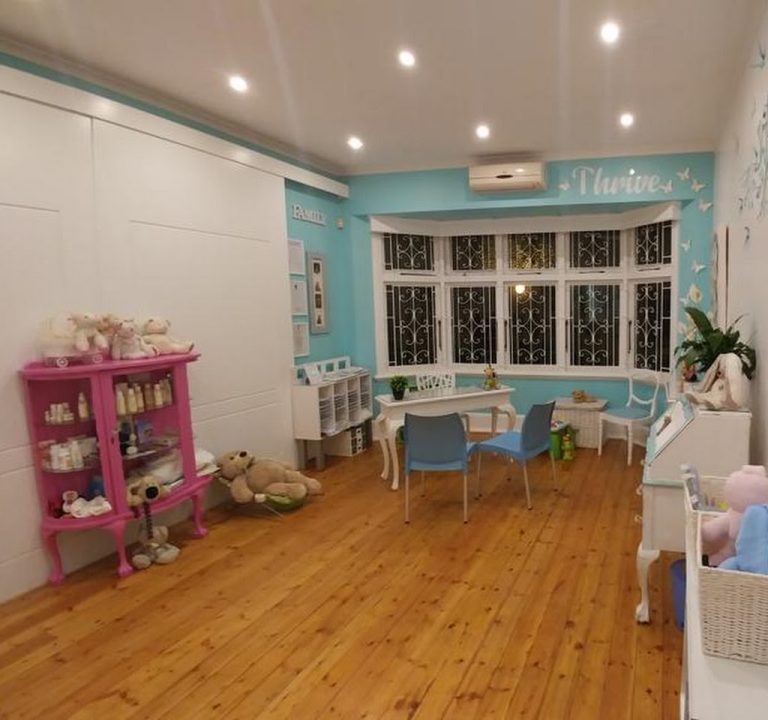
Thrive Baby & Parenting Clinic is a Training centre establishment in Durban, KwaZulu-Natal, South Africa
Thrive Baby & Parenting Clinic — Training Centre in Durban, KwaZulu-Natal
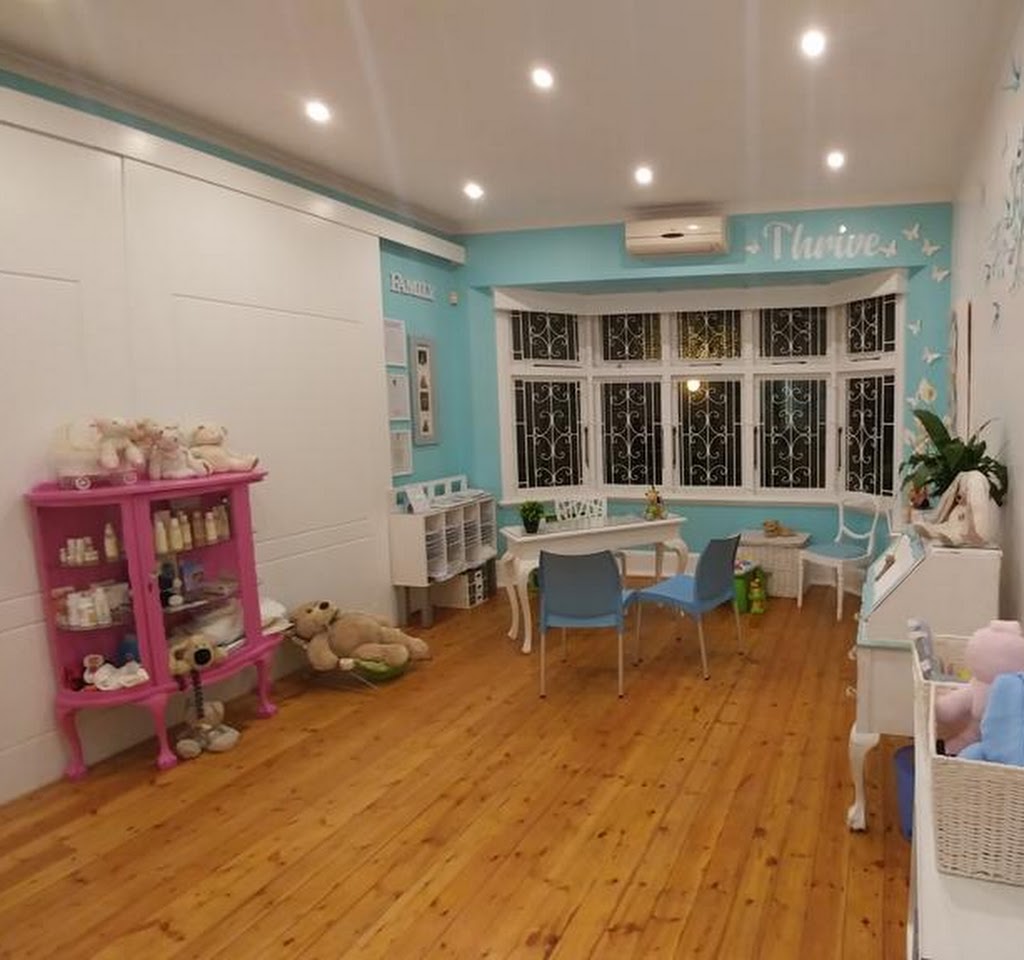
Thrive Baby & Parenting Clinic operates as a nurturing training and support hub for new parents and families in Durban. Positioned within the Health@202 rooms in Glenwood, the centre emphasises a warm, friendly and professional environment designed to help families discover parenting approaches that suit both individual children and the broader family dynamic. The clinic presents itself as a space where parents can access practical knowledge, compassionate guidance and evidence-informed support on the journey of raising children who flourish.
The main services are organised around courses, consultations and targeted training that cover the pivotal stages of early parenting. A cornerstone offering is antenatal education, which prepares expectant parents through interactive sessions held over two Saturday mornings. The programme is conducted in a welcoming setting, enabling families to engage with material about birth preparation, infant care and parenting strategies before the baby arrives. This emphasis on proactive preparation aligns with Thrive’s broader aim of guiding families to cultivate confidence and optimise early development.
Breastfeeding support is another central pillar of Thrive’s remit. Professional lactation consultants provide guidance to new mothers navigating the often delicate early days of breastfeeding, emphasising practical techniques and personalised advice to support successful nursing. This service is complemented by broader feeding and sleeping consultations, which address routines, immunisations, milestones and stimulation. The clinic’s approach to feeding and sleep centres on tailoring routines to a child’s temperament and developmental stage, with a view to creating calm, predictable patterns that support both child wellbeing and parental well-being.
Parenting guidance is further extended through one-on-one consultations and group talks designed to equip caregivers with tools to manage relationships within the family. The aim is to foster resilient partnerships between parents and children, helping families thrive even in the face of common parenting challenges. In addition to direct consults, Thrive offers a range of supportive services under the umbrella of child and baby support, indicating a holistic approach to family welfare that extends beyond single-issue interventions.
Thrive also runs a dedicated nanny training programme. This course is described as dynamic, practical and heart-centred, blending essential childcare skills with an emphasis on compassionate, responsible caregiving. Topics likely covered include basic first aid, stimulation activities, nutrition and developing age-appropriate routines, all designed to empower nannies and align their practices with families’ expectations and needs. The nanny course is presented as an avenue for nurturing professional development within the broader parenting ecosystem, reinforcing Thrive’s role as a training centre that connects caregivers with families in meaningful, supportive ways.
For those seeking authoritative guidance on medical and developmental matters, Thrive benefits from Andrea’s nursing and midwifery background. The site presents Andrea’s expertise as a key asset across antenatal, breastfeeding and parenting domains, a detail that informs the centre’s credibility and the depth of support provided through its roster of courses and consultations.
Requests for information and bookings are typically streamlined through direct communication channels highlighted on the site, including WhatsApp for course dates and information. This practical approach suggests a patient, accessible process for families to engage with Thrive’s offerings, schedule sessions and plan attendance around their lives.
Typical client experiences, as reflected in visitor feedback, point to approachable, knowledgeable support that blends theory with practical application. Clients often note the value of clear, actionable guidance that fits real-life parenting scenarios, from antenatal preparation to daily routines and parenting conversations. The clinic’s strengths appear to lie in its personalised support, friendly environment and emphasis on empowering families rather than prescribing rigid methods.
Practical tips for prospective customers include:
- Check the Thrive site for antenatal class dates and location details at Health@202, Glenwood, Durban.
- Look for access to breastfeeding support and lactation consulting as a starting point if breastfeeding questions arise early on.
- Consider the nanny training course if childcare support is part of the family’s arrangements or if a caregiver is joining the parenting journey.
- Utilise the WhatsApp contact for retrieving course information and securing bookings in a timely manner.
- Take advantage of one-on-one parenting consultations to address specific family dynamics or child-specific concerns.
Thrive acts as a dedicated training centre serving Durban and the KwaZulu-Natal region, offering a spectrum of services designed to support families from pregnancy through early childhood. While official business hours are not listed in the available materials, the practical scheduling approach indicated by the course structure and WhatsApp communications suggests flexible availability aligned with family needs and course cohorts.
Durban
KwaZulu-Natal
4001
South Africa
Sorry, no records were found. Please adjust your search criteria and try again.
Sorry, unable to load the Maps API.
Training centre services in Durban, KwaZulu-Natal
Training centres in Durban, KwaZulu-Natal offer a mixture of commercial, vocational and personal development programmes designed to support individuals and organisations within a dynamic South African economy. These facilities typically provide a range of practical, hands‑on courses alongside theory‑based learning. The aim is to equip participants with relevant skills, improved job prospects, and the ability to apply new knowledge effectively in the workplace.
Across the region, common offerings include short courses in business administration, project management, and information technology, as well as more specialised programmes in areas such as health and safety, customer service, and workplace compliance. Many centres also deliver industry‑specific training tailored to construction, hospitality, manufacturing and logistics sectors, recognising Durban’s role as a commercial hub and coastal gateway. Where appropriate, programmes emphasise practical skills through workshops, simulations and supervised practice to mirror real‑world conditions.
Apprenticeships and learnerships form a notable strand of Durban’s training landscape. These pathways blend structured on‑the‑job experience with classroom learning, often supported by accredited assessors and mentors. Participants may gain recognised occupational qualifications while earning a wage, making such routes attractive to individuals seeking early workplace integration alongside formal credentialing. Training centres frequently act as the link between employers and learners, coordinating placements and providing ongoing assessment to track progress.
For organisations, training centres offer solutions focused on upskilling staff, improving productivity and supporting compliance. Corporate programmes may include customised workshops, leadership development, effective communication, sales and customer relations, as well as health and safety from basic induction modules to more advanced risk management. Flexibility is a common feature, with options for full‑time courses, part‑time attendance, or blended learning that combines in‑person sessions with online study. This approach helps businesses manage workloads while pursuing workforce development goals.
Facilities and delivery methods vary but typically prioritise a conducive learning environment. Expect well‑equipped classrooms or training rooms, practical laboratories or workshop spaces, and access to contemporary devices relevant to the chosen disciplines. In addition to theoretical instruction, many centres provide simulated environments and project work to reinforce understanding. Support services such as tutoring, career guidance, and assessment preparation are often available to assist students through their learning journey.
Practical considerations for potential entrants include location convenience, transport links and safety. Durban’s traffic patterns and public transit routes influence how learners access courses, particularly for those balancing work with study. Centres frequently offer a range of daytime, evening and weekend options to accommodate varying schedules. Accessibility considerations, such as disabled‑friendly facilities and contingency measures for inclement weather, are typically addressed to ensure inclusive participation.
Another key consideration is funding and recognition. Some programmes may be eligible for government or sectoral funding regimes designed to broaden access to training, while others operate on a fee‑paying basis or offer employer‑sponsored arrangements. The credibility of a centre often rests on its affiliations, partnerships with industry bodies, or the presence of qualified tutors with current professional experience. Prospective learners are encouraged to verify the scope of courses, expected outcomes, and any practical work requirements before enrolment.
Overall, Durban’s training centres provide a pragmatic gateway to skill enhancement and career progression. They typically combine accessible entry points with structured curricula, practical application, and flexible delivery to meet the needs of a diverse community of learners and employers in KwaZulu‑Natal.