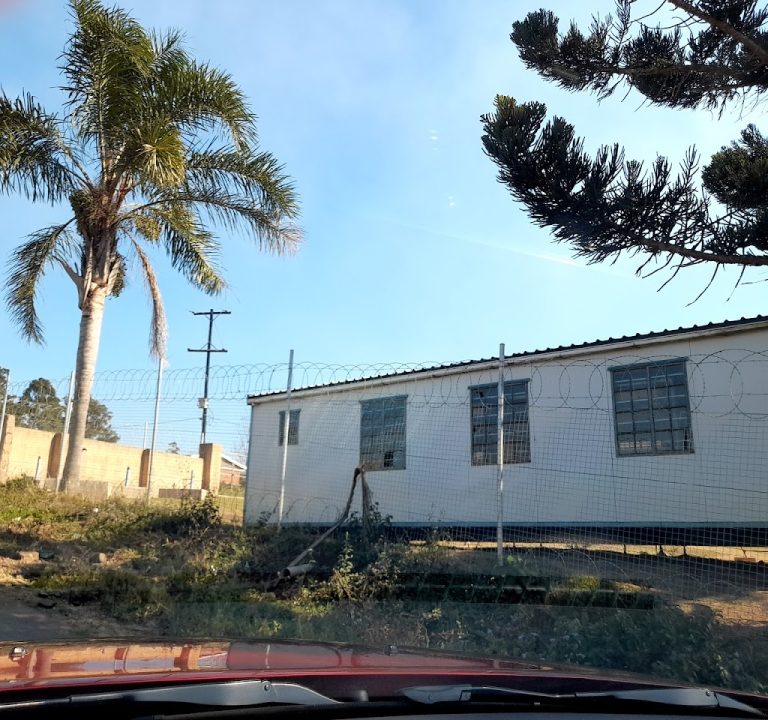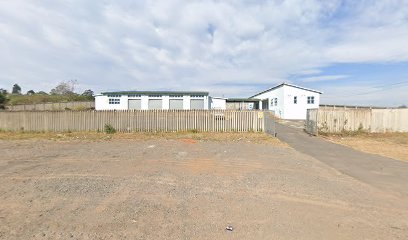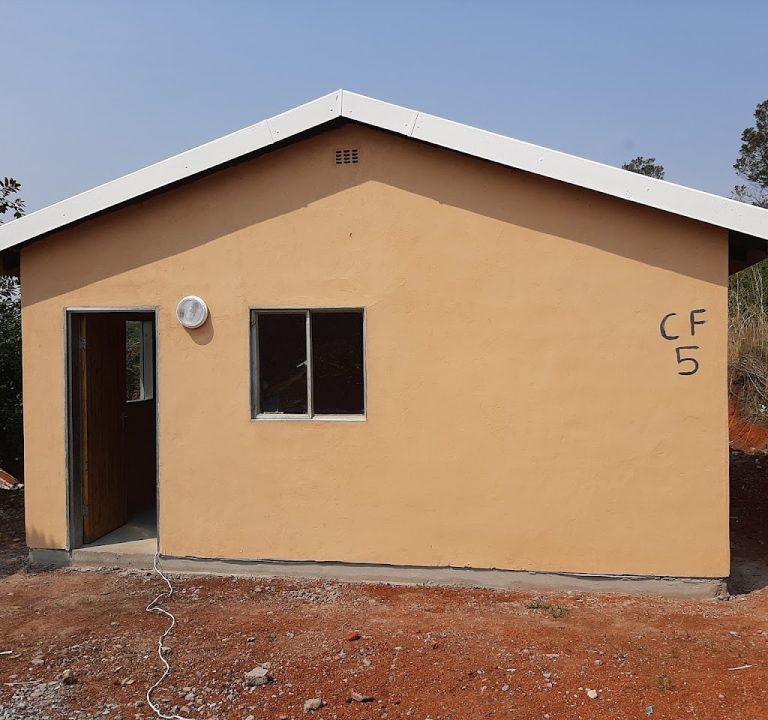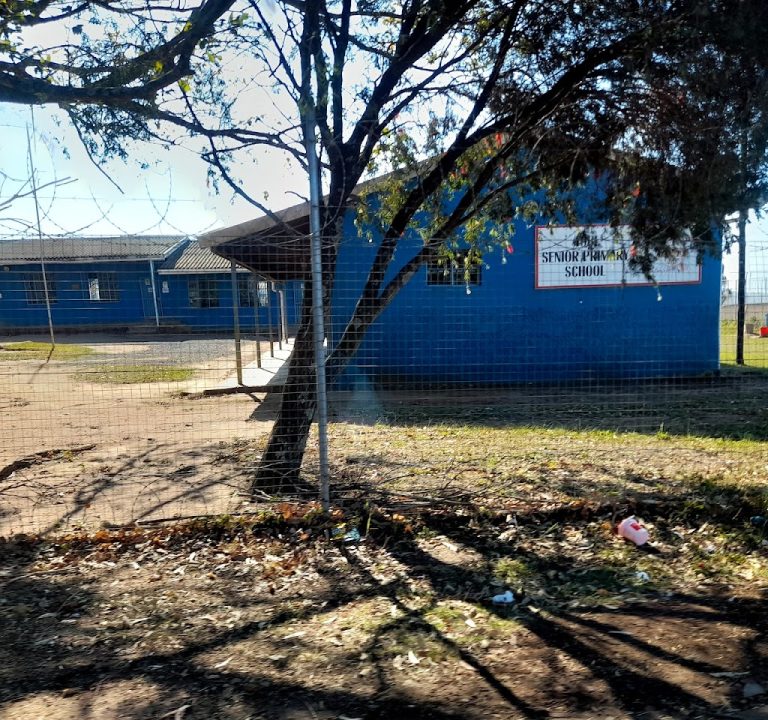
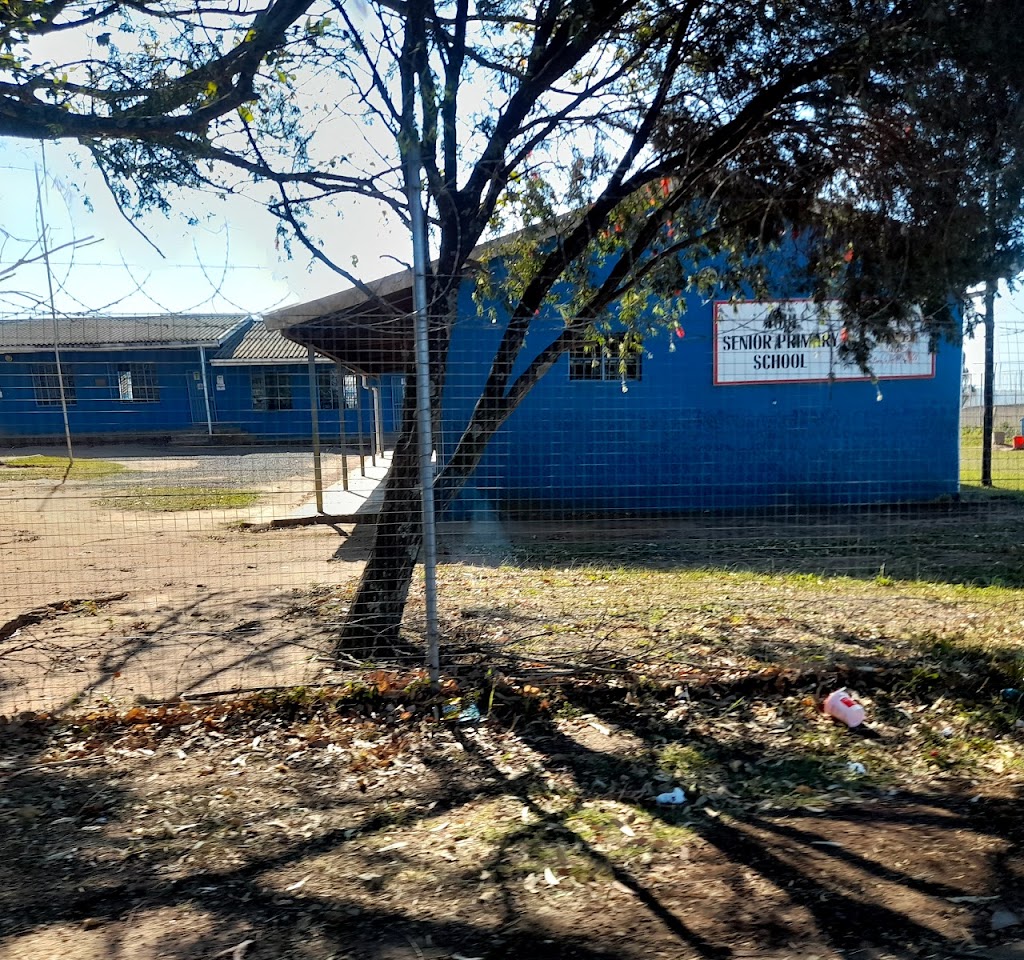
Tobi Primary School is a Primary school establishment in Cele, Kwa-Zulu Natal, South Africa
Tobi Primary School – Umbumbulu, KwaZulu-Natal
Tobi Primary School is listed in the Education category as a public primary/elementary school located in Umbumbulu, KwaZulu-Natal, South Africa. The school sits within the Ezinyathini Reserve area, and the street address is Via Dayimane Beer Hall, Umbumbulu. The listed contact point is a local telephone line, reflecting its function as a community school serving learners in the surrounding area.
As a public primary institution, Tobi Primary School is positioned to offer foundational education across key learning areas for early-stage learners. The listing places it among nearby academic establishments in the region, suggesting potential collaboration and connectivity with neighbouring schools in the Umbumbulu area.
Typical service focus for Tobi Primary School can be inferred from its category and locality: providing foundational academic programmes for young learners, with emphasis on standard curriculum delivery, student supervision, and basic school-life activities typical of public primary schools in KwaZulu-Natal. The proximity to several other primary and secondary schools in the area may facilitate a sense of community engagement and shared educational resources within the local network.
For families and learners in the region, the school’s location in Umbumbulu situates it within a rural-urban mix of communities in KwaZulu-Natal, indicating potential accessibility considerations such as transport arrangements and local walking routes. The listing implies that the school serves residents of the Ezinyathini Reserve and surrounding wards, contributing to local educational access.
How requests or communications typically work for this category in the area often align with standard public school procedures, such as contacting school administration for admissions information, academic calendars, and enrolled student requirements. While specific processes for Tobi Primary School are not detailed in the listing, prospective families should expect ordinary steps such as submitting required documents, awaiting admission decisions, and engaging with school administration through provided contact channels.
Practical tips for prospective students and parents:
- Note the local contact number listed for inquiries and verification of admission requirements.
- Consult the neighbouring schools in the Umbumbulu area for information on catchment areas and potential partnership activities.
- Plan travel and transport considerations based on the school’s location in the Ezinyathini Reserve area, taking into account safety and accessibility for learners.
- Check for any posted notices or community bulletins from the local education authority that may affect school hours, term dates, or events.
Operating hours and best times to visit are not specified in the available listing. The location details suggest the school serves the local community during standard school terms, with visits likely aligned to school schedules. For accuracy on hours, term dates, and open days, it is advisable to verify directly with the school through the contact information provided on the listing or local education authority channels.
Geographic area served includes Umbumbulu and the Ezinyathini Reserve region in KwaZulu-Natal. The school sits among a cluster of nearby primary and secondary schools, indicating a local network of educational facilities that supports families seeking primary education within a short travel radius.
Cele
Kwa-Zulu Natal
South Africa
South Africa
Sorry, no records were found. Please adjust your search criteria and try again.
Sorry, unable to load the Maps API.
Primary school services in Cele, KwaZulu-Natal
In Cele, KwaZulu-Natal, primary schools typically offer a range of core educational services designed to support the holistic development of children aged five to eleven. These institutions emphasise foundational literacy and numeracy, alongside social, physical and creative growth. The essence of the service is to provide a stable, nurturing environment where young learners can develop confidence, discipline and a curiosity about the world around them.
Curriculum delivery is framed around national and provincial guidance, adapted to local needs and resources. Classrooms commonly combine teacher-led instruction with guided activities that encourage participation, collaboration and independent thinking. Across the spectrum of primary schools in Cele, learners are introduced to core subjects such as language (English and isiZulu or other local language options), mathematics, science, social studies and arts and culture. The approach often blends regular assessments with ongoing feedback to monitor progress and identify areas requiring additional support.
Beyond academics, considerable attention is given to physical development and well-being. Sport and physical education are usually integrated into the weekly timetable, with opportunities to participate in team sports, fitness activities and games that promote motor skills and teamwork. Arts programmes, including music, visual arts and drama, are commonly offered to foster creativity and self-expression. Many schools also provide opportunities for learners to engage in local cultural activities, reflecting KwaZulu-Natal’s rich heritage.
Additional services frequently available in Cele include after-school care or an extended day programme. These arrangements help families balance work commitments with children’s supervision and enrichment. Snack and meal provisions are often available either on site or through partnership with school meals schemes, supporting nutrition and learning readiness. Transport options may be provided or coordinated through local arrangements, with consideration given to safety, route efficiency and supervision readiness.
Support for diverse learning needs is a practical consideration in Cele’s primary schools. Where available, learners requiring additional help may access reading or numeracy support, inclusive education strategies and targeted intervention programmes. This might involve specialised teachers, teaching assistants or adapted teaching materials to accommodate different learning styles and speeds. While the level and scope of support can vary between schools, the overarching aim is to ensure that every pupil has access to a suitable learning pathway.
Communication with families tends to be central to school operations. Regular updates on attendance, progress and upcoming events are typically shared through a combination of notices, newsletters and informal meetings. Some schools organise parent-teacher evenings to discuss progress and collaborative planning, while others offer open days or virtual communications to keep guardians informed about curriculum topics and school life.
Practical considerations for families in Cele include navigating admissions, school calendars, and daily schedules. Prospective pupils should consider the start and end times of the school day, the availability of after-school care, and the mechanisms for obtaining textbooks, uniforms and other essential resources. Health and safety are commonly addressed through established school protocols, including supervision during break times, safe arrival and dismissal processes, and adherence to local health guidelines. Community involvement, through school events or partnerships with local organisations, also plays a role in enriching the educational experience.
Overall, primary school services in Cele, KwaZulu-Natal, aim to provide a structured, supportive setting where children can build a strong educational foundation while developing social competencies and a sense of local belonging. The experience typically blends traditional classroom learning with practical programmes and community-oriented activities, ensuring a balanced approach to early schooling in this South African region.