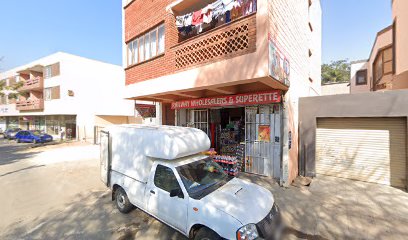
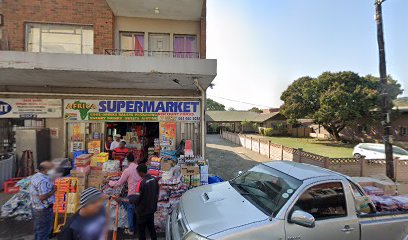
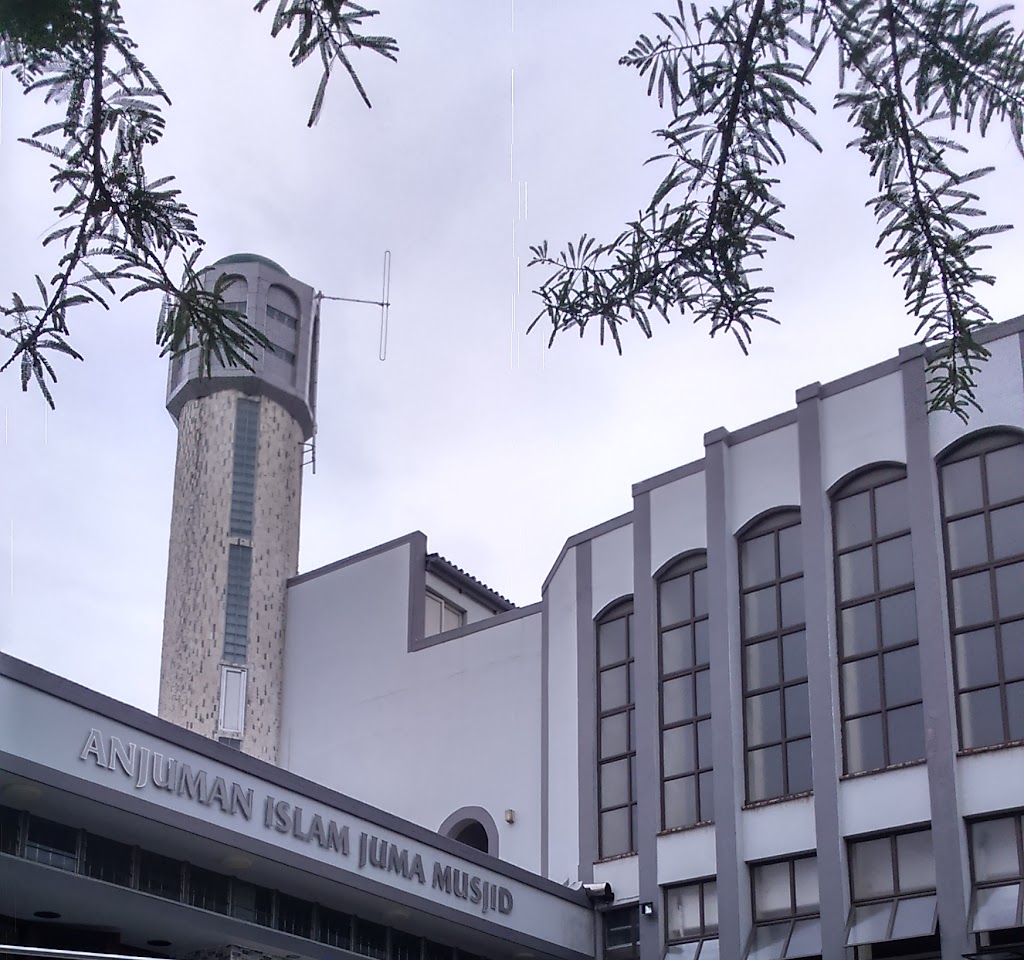
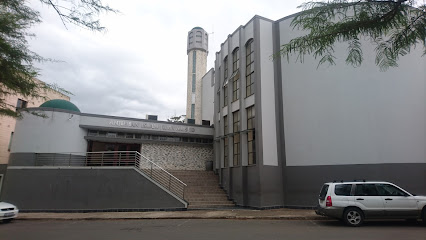
Tongaat Mosque is a Mosque establishment in oThongathi, KwaZulu-Natal, South Africa
oThongathi
KwaZulu-Natal
4399
South Africa
Sorry, no records were found. Please adjust your search criteria and try again.
Sorry, unable to load the Maps API.
Mosque Services in oThongathi, KwaZulu‑Natal: A Practical Overview
Mosques in oThongathi serve as central places for daily worship, community gathering and education within the KwaZulu‑Natal town. As places of quiet reverence and social activity, these buildings offer more than just the five daily prayers. Visitors and residents can expect a respectful atmosphere, clear signage, and organised routines that accommodate the needs of worshippers from diverse backgrounds.
Daily prayers and Friday prayers are the core activities. Regular attendance at the jama’ah (congregational prayers) is common, especially for the Fajr, Dhuhr, Asr, Maghrib and Isha prayers. The Friday prayer, or Jumu’ah, typically includes a brief sermon (khutbah) followed by a longer communal prayer. Mosques usually display prayer timetables to help determining exact times, which shift with the seasons. In addition to fixed prayer sessions, some mosques host late-night prayers or special recitations during holy periods, such as Ramadan.
Educational and community programmes form an essential part of mosque life. Many mosques in oThongathi offer:
- Qur’anic study for adults and children, including memorisation (hifz) and tajweed (proper pronunciation).
- Islamic studies covering fiqh (jurisprudence), hadith (sayings of the Prophet), seerah (biography) and contemporary issues.
- Weekend classes and homework clubs aimed at supporting families and youth.
- Language support, with explanations and translations where necessary, often in English and isiZulu, with occasional Arabic sessions for learners.
Life events commonly hosted by mosques include weddings (nikah) and funeral prayers (janazah), as well as bereavement follow‑ups and charity collections. Smaller mosques may coordinate with local charitable networks to assist families in need, coordinate food drives, or provide meals during Ramadan or other significant periods. Community notice boards and short announcements help keep attendees informed about upcoming talks, lectures, volunteering opportunities and social events.
Practical considerations for visitors and worshippers:
- Dress and conduct: modest dress is typically expected; men and women may be required to observe gender separation within prayer halls. Shoes are removed before entering the prayer space, and respectful behaviour is urged at all times.
- Wudu facilities: ablution areas are usually available to prepare for prayer, with clean running water and facilities for washing hands, face, arms and feet.
- Accessibility: entrances, ramps and accessible toilets may be present at larger mosques, while smaller centres may have limited facilities. Planning ahead is advisable for those with accessibility needs.
- Timings and punctuality: prayer times change with the season and local sightings of the moon; arriving a few minutes before the start of a session is common practice to prepare and show respect.
- Language and notation: notices and talks are frequently delivered in isiZulu and English, with some sessions offering translations or explanations in Arabic where appropriate.
- Donations and support: charitable giving, often via collection boxes or scheduled programmes, supports maintenance of the mosque and various community aid initiatives. Visitors should be mindful of local guidance regarding donations.
For those new to the area or visiting oThongathi, mosques are welcoming spaces that invite respectful participation. While each mosque may have its own occasional traditions or procedures, the overall experience tends to be consistent: a focus on prayer, learning, and community service underpinned by hospitality and mutual respect.