no-image
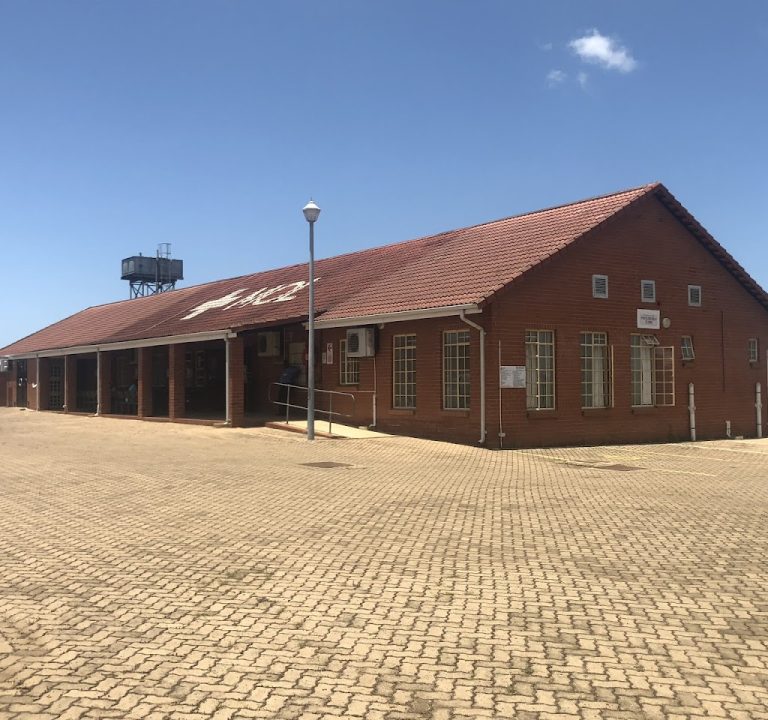
Tongaat School for the S M H is a Special education school establishment in Ethekwini, KwaZulu-Natal, South Africa
Ethekwini
KwaZulu-Natal
4399
South Africa

no-image
Sorry, no records were found. Please adjust your search criteria and try again.
Sorry, unable to load the Maps API.
Special education school services in Ethekwini, KwaZulu-Natal
Special education schools in the Ethekwini region of KwaZulu-Natal provide a range of targeted programmes designed to support learners with diverse special educational needs. These services typically focus on Developing academic, communication and social skills within accessible and supportive environments. Schools recognise the importance of a holistic approach that integrates learning with essential daily living skills, mobility training, and social incorporation within the wider community.
Programs often centre on individualised learning plans that guide instruction, with ongoing assessments to monitor progress and adapt goals. Class sizes may be smaller than those in mainstream settings to allow more personalised attention. Multi-disciplinary teams usually include educators trained in special needs pedagogy, speech and language therapists, occupational therapists, and support staff who assist with behaviour management, sensory integration, and classroom organisation. Where resources permit, schools may collaborate with external specialists to provide additional therapies or intervention sessions at allocated times.
Curriculum adaptations are commonly implemented to accommodate a range of cognitive, physical, sensory, and communication needs. This can involve alternative assessment methods, differentiated tasks, and the use of assistive technologies or low-vision and hearing-assisted equipment. Language development is often emphasised, with strategies that support both English and local languages where appropriate, recognising the linguistic diversity of KwaZulu-Natal. Practical subjects and life skills are frequently integrated to promote independence and employability, including basic numeracy, budgeting, cooking, and personal care skills.
Behavioural support and emotional well-being form key components of the service. Schools typically adopt positive behaviour strategies and create quiet spaces or sensory rooms to help learners regulate emotions. Parents and caregivers are commonly encouraged to participate in planning meetings and to receive guidance on supporting learning at home. Regular communication channels, such as progress reports or scheduled consultations, help maintain a collaborative approach between families and school staff.
transport arrangements are an important practical consideration in Ethekwini. Some schools provide dedicated transport or coordinate with local services to ensure access for learners who require assistance getting to and from campus. Where transport is not provided, families may need to organise suitable conveyance, taking into account the learner’s mobility needs and safety considerations. Accessibility within school buildings is another priority, with wide corridors, accessible toilets, ramps, and appropriate seating arrangements to accommodate wheelchairs or other mobility aids where necessary.
Facilities commonly prioritise safe, welcoming environments, with clearly defined learning zones that separate quiet and collaborative activities. Outdoor spaces may be utilised for therapeutic play, physical education, and sensory exploration, subject to appropriate supervision and safety measures. Schools also consider nutritional needs, offering healthy meals or snack breaks where facilities and funding allow, and ensuring accommodation for learners with food allergies or dietary restrictions.
Families seeking information about special education services in Ethekwini should expect a period of assessment, planning, and phased implementation. The process typically begins with referrals and diagnostic evaluations, followed by the development of an Individual Learner Programme or equivalent plan. Regular reviews help track progress, refine strategies, and adjust supports as learners gain new skills or face changing circumstances. While resources may vary between institutions, the overarching aim remains consistent: to provide inclusive, supportive, and capable learning environments that enable learners with special educational needs to reach their potential within the South African context.