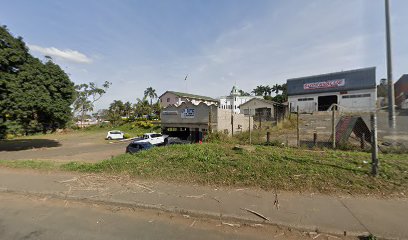
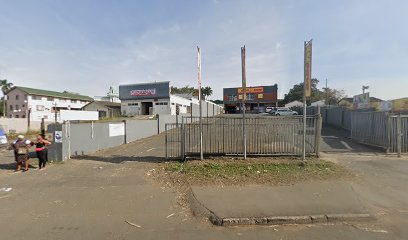
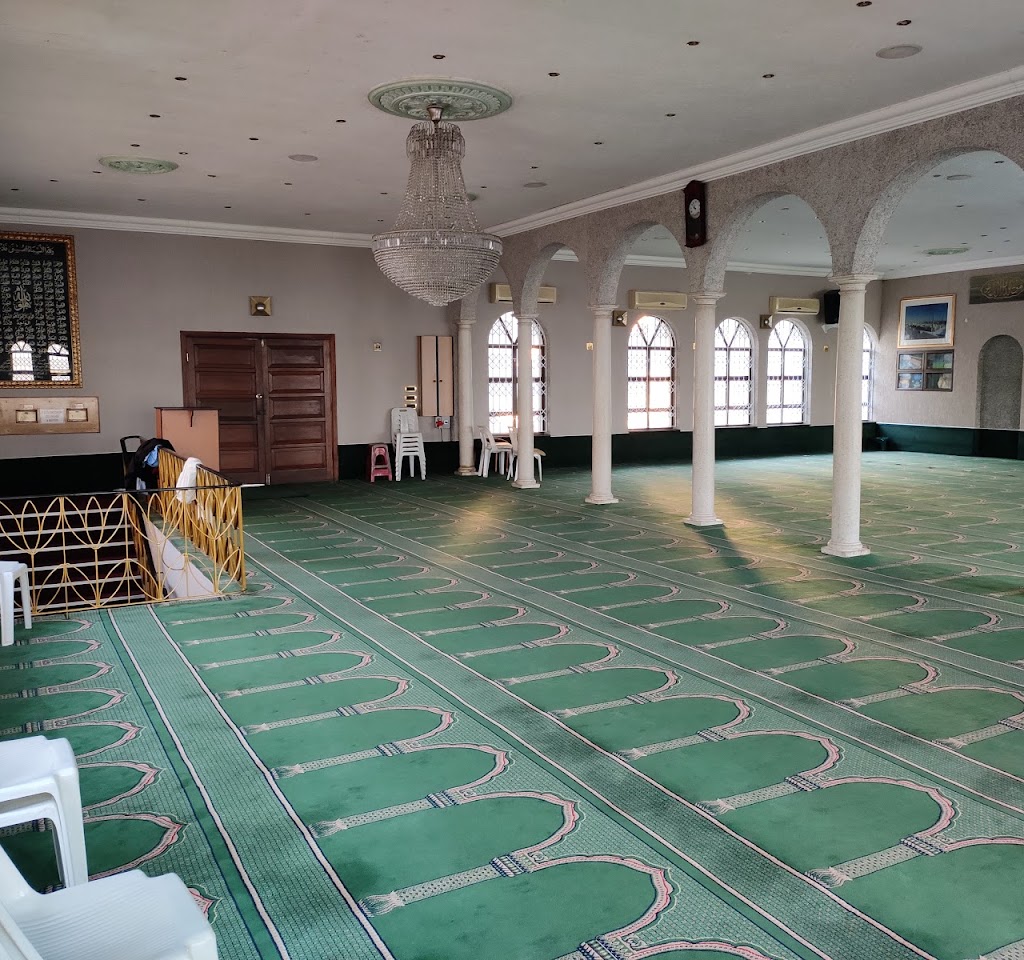
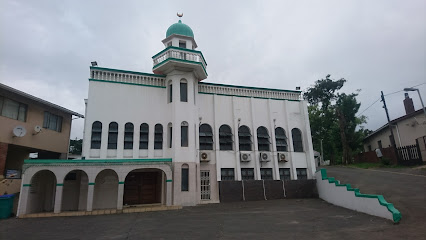
Tongaat Soofie Masjid is a Mosque establishment in oThongathi, KwaZulu-Natal, South Africa
oThongathi
KwaZulu-Natal
4400
South Africa
Sorry, no records were found. Please adjust your search criteria and try again.
Sorry, unable to load the Maps API.
Mosque services in oThongathi, KwaZulu-Natal
Mosques in oThongathi provide a focal point for daily worship, spiritual education, and community support within the KwaZulu-Natal region. Visitors arriving for prayer can expect respectfully maintained prayer halls, with separate or clearly arranged spaces for men and women in many cases, subject to the layout of each individual facility. The centres aim to accommodate regular worshippers as well as visitors, offering a welcoming environment for newcomers seeking guidance, information, or a quiet place for reflection.
Daily prayers are typically the cornerstone of activity, with five daily salah observed at set times that align with the sun’s position. In addition to the regular daily prayers, mosques commonly host Jumu’ah (the Friday congregational prayer), often followed by a brief sermon and opportunities for fellowship or supplementary activities. The emphasis is on punctuality, cleanliness, and orderly movement within the prayer areas to maintain a respectful atmosphere for worship.
Across oThongathi, mosque services usually extend beyond ritual observance to include educational programming and community outreach. Educational offerings may cover Qur’anic study, Arabic language classes, and basics of Islamic jurisprudence or ethics. These programmes are designed to be accessible to people of various ages and levels of knowledge, occasionally scheduled after school hours or on weekend afternoons to accommodate families.
Ramadan and Eid typically bring heightened activity. Special Taraweeh prayers may be organised on weeknights, with provisions for shared iftar meals or charity drives that assist vulnerable community members. During these periods, mosques often coordinate volunteers and offer guidance on fasting practices, spiritual routines, and the coordination of charitable giving within the local area.
Practical considerations for visitors include modest dress, removal of footwear before entering prayer spaces, and the use of designated entrances or reception areas. Some mosques have signage in multiple languages common to KwaZulu-Natal, including English and local dialects, to aid visitors who are unfamiliar with mosque etiquette. Parking provisions and accessibility features vary by building, with larger or purpose-built facilities typically offering on-site parking and accessible routes for those with mobility needs.
Community services frequently extend to social and charitable programmes. These may include assistance with food parcels, clothing drives, or support for families during difficult periods. While the exact scope and availability of such activities differ from one mosque to another, these initiatives reflect an overarching aim to strengthen neighbourly ties and provide practical help where needed.
All visitors should anticipate a respectful environment where personal conduct aligns with the norms of quiet reverence during prayers and gatherings. Security considerations are commonly observed through appropriate supervision and orderly entry, with volunteers or staff guiding attendees to their designated spaces. It is prudent to arrive a few minutes early for Friday prayers or special programmes to allow time for familiarising with the layout and for mindful preparation.
For travellers and locals alike, mosques in oThongathi present a reliable community resource characterised by routine worship, education-oriented activities, and charitable outreach. The experience emphasises predictability, courtesy, and inclusivity within the practical realities of South African urban life, offering a supportive space for spiritual practice and mutual aid alike.