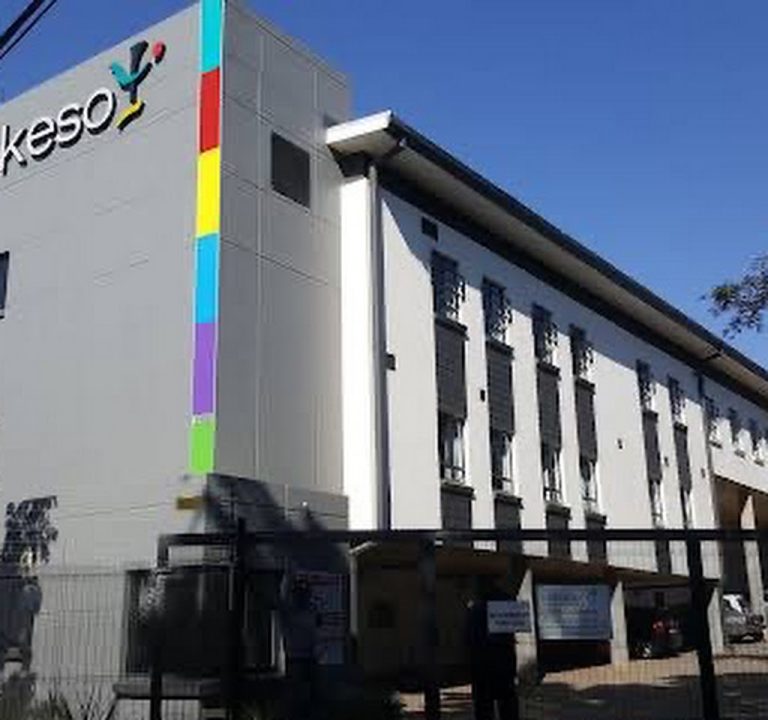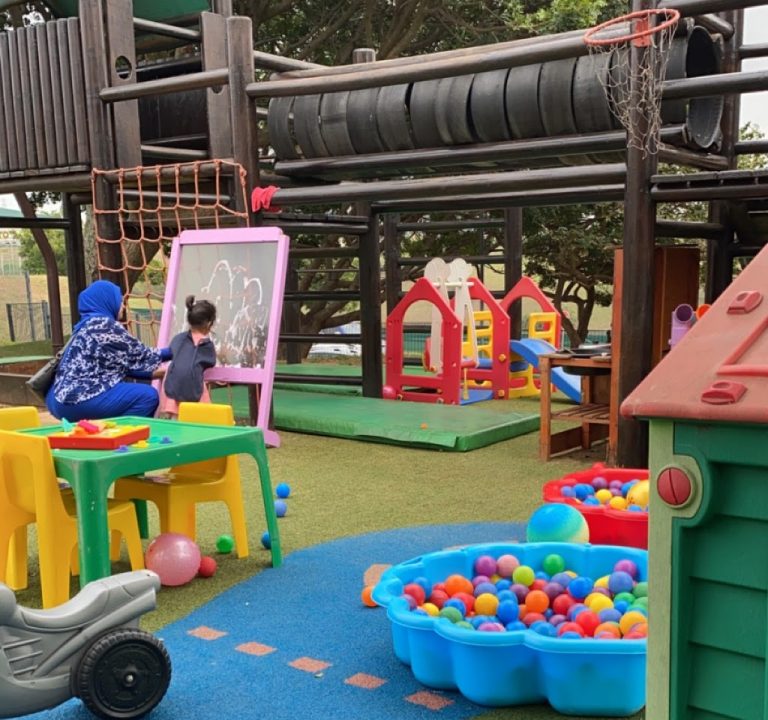
Toptots Umhlanga is a Childrens club establishment in Durban, KwaZulu-Natal, South Africa
Durban
KwaZulu-Natal
4391
South Africa
Sorry, no records were found. Please adjust your search criteria and try again.
Sorry, unable to load the Maps API.
Children’s club services in Durban, KwaZulu-Natal
In Durban and the broader KwaZulu-Natal region, children’s clubs offer a range of supervised activities designed to entertain, educate and socialise young people. These clubs typically operate within community centres, schools, recreation facilities or private venues, and are aimed at children from early childhood through to early adolescence. The focus is on safe, structured activities that combine play with learning opportunities suitable for different age groups.
Common offerings include supervised play sessions, creative workshops, and organised sport or physical activity. Arts and crafts, storytelling, music, dance and drama programmes are frequently available, along with indoor and outdoor games that promote teamwork and motor development. Many Durban clubs weave elements of local culture and language into activities, reflecting the region’s rich heritage and bilingual or multilingual communities. Educational support such as homework clubs or literacy games may also be provided, especially in after-school schedules.
Structured programmes are typically designed around specified timeframes, for example after-school hours, weekend sessions or school holiday camps. Activities are usually planned to balance enrichment with fun, incorporating seasonal themes, cultural events and public holidays. Some clubs offer specialised programmes such as swimming, nature walks, or ecotherapy-inspired activities that connect children with the coastal and rural landscapes nearby. Practical arrangements often prioritise inclusivity, ensuring accessibility for children with diverse needs where feasible.
Safety and supervision are central to the functioning of children’s clubs in Durban. Registered staff or trained volunteers generally oversee activities, with ratios carefully maintained to assure adequate supervision. Parents or guardians are typically required to complete consent and emergency contact forms, and for younger children, sign-in and sign-out procedures are standard practice. Basic health and hygiene measures, including clean facilities and provisions for meals or snacks, are commonly observed. Codes of conduct set expectations for respectful behaviour, safety, and the handling of incidents should they arise.
Parents considering a Durban children’s club will encounter practical considerations that influence the experience. Proximity to home or school is a major factor, along with reliable transport arrangements or clear drop-off and collection procedures. Many clubs publish schedules in advance, outlining activity rosters, session lengths and any equipment or clothing requirements. The cost structure often involves a membership or per-session fee, with additional charges for specialised activities or excursions. Transparent information about cancellation policies, holiday closures and any required deposits helps families plan accordingly.
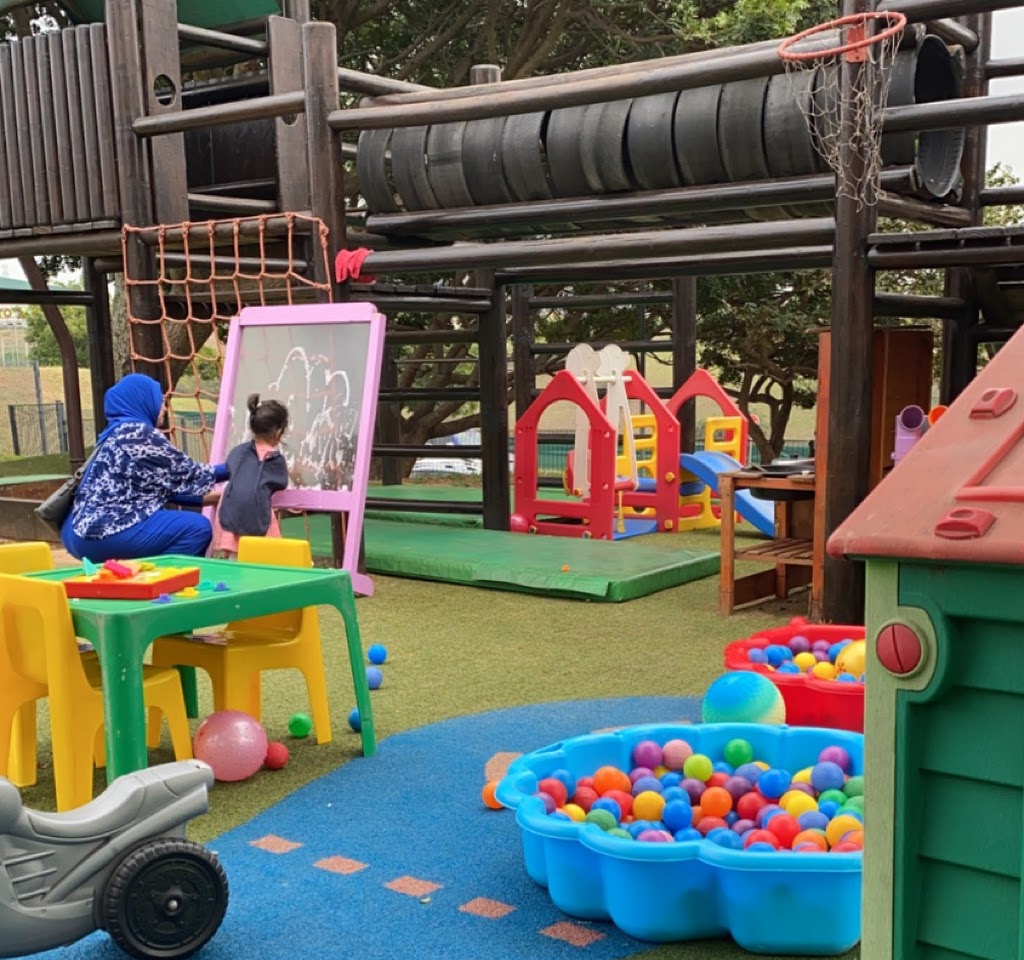
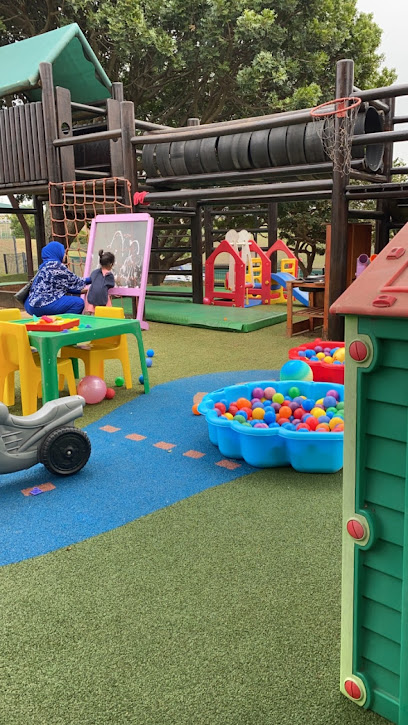
Facilities commonly feature safe, child-friendly environments that are maintained to high standards. Indoor spaces may include playrooms, craft corners, quiet areas for reading, and dedicated spaces for performing arts. Outdoor areas often provide secure play zones, shade, and opportunities for physical play, weather permitting. In Durban’s warm climate, some clubs organise water-based activities or shaded outdoor sessions, while in cooler months, indoor alternatives ensure continuity of engagement. Practical considerations for parents include appropriate clothing, sun protection for outdoor activity, and awareness of local water safety guidelines when water-based programmes are offered.
Overall, Durban’s children’s club services emphasise enjoyable, well-supervised experiences that contribute to social development, confidence and a sense of community. The best options typically present a balanced mix of play, education and cultural relevance, delivered by trained staff in safe, accessible environments. Families are reminded to verify basic protections, understand the programme’s structure, and assess suitability for their child’s age, interests and needs before enrolment.