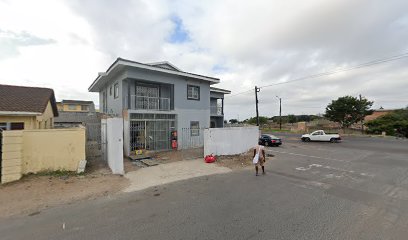
Trenance Park Primary School is a Primary school establishment in Amaotana, Kwa-Zulu Natal, South Africa
Amaotana
Kwa-Zulu Natal
4068
South Africa
Sorry, no records were found. Please adjust your search criteria and try again.
Sorry, unable to load the Maps API.
Primary school services in Amaotana, KwaZulu-Natal
In Amaotana, KwaZulu-Natal, primary schools provide foundational education designed to support children from early years through the end of their first decade of schooling. The core aim is to offer a stable, structured environment where learners can develop literacy and numeracy skills, explore the natural and cultural surroundings of the region, and build confidence in a group setting. Schools within this coastal and inland area typically align with national curriculum expectations while adapting to local needs, available resources, and community partnerships.
Most primary schools in Amaotana operate with a structured daily timetable that includes language and mathematics lessons, social studies, science, arts and crafts, and physical education. Classroom instruction is supplemented by age-appropriate activities that foster critical thinking, teamwork, and problem-solving. In addition to core subjects, learners often engage with environmental education, particularly given KwaZulu-Natal’s rich biodiversity and varied landscapes. Language instruction commonly emphasises home languages alongside English, supporting bilingual or multilingual development among pupils.
Beyond the academic programme, schools typically offer a range of practical services to support families and children. These can include school meals or nutritional programmes, breakfast clubs, and safe, supervised spaces before and after class. Transport services are sometimes provided or subsidised by the school or local authority, helping families who live out of walking distance to access daily lessons. Where feasible, on-site facilities such as libraries, computer rooms, and multipurpose halls may be available to broaden learning opportunities and promote digital literacy.
Extracurricular activities form an important part of the primary school experience in Amaotana. Sports programmes—such as athletics, cricket, rugby, netball, and football—are commonly offered, emphasising participation, physical health, and teamwork. The arts are also valued, with opportunities to participate in music, drama, and visual arts, enhancing creativity and cultural appreciation. Some schools partner with local organisations to provide additional activities, including science clubs, nature walk programmes, and community service projects that instil civic responsibility from a young age.
Special educational needs and inclusive education are recognised as essential components of primary schooling. Where required, schools may offer support through dedicated resource rooms, teacher aides, or referral pathways to external specialists. The goal is to ensure that learners with diverse needs can access the curriculum with appropriate adjustments and support, while maintaining a nurturing classroom environment. Parental involvement is encouraged through excited engagement in school events, parent-teacher meetings, and volunteer opportunities, all contributing to a collaborative approach to a child’s education.
Practical considerations for families selecting a primary school include evaluating safety measures, the availability of discipline and pastoral care, and the responsiveness of staff to individual learner needs. Class sizes and teacher qualifications can influence the learning atmosphere, while the accessibility of facilities such as toilets, playgrounds, and shaded areas affects daily comfort and safety. Local context matters; schools in Amaotana often emphasise community ties and respect for local traditions, which can enrich the learning journey and help children connect classroom knowledge with real-world experiences in KwaZulu-Natal.
For families weighing options, it is prudent to visit a few schools to observe teaching styles, meet staff, and inquire about intake procedures, calendar dates, and annual assessments. While specific programmes and offerings may vary between institutions, the overall pattern typically centres on a balanced mix of core academics, practical support, enrichment activities, and a secure environment designed to foster confidence and curiosity in young learners.
- Structured daily curriculum across key subjects
- Meal programmes and safe supervision arrangements
- Transport options and accessibility considerations
- Extracurricular activities in sport, arts, and clubs
- Inclusive practices and support for diverse learning needs
- Active parental involvement and community engagement