no-image
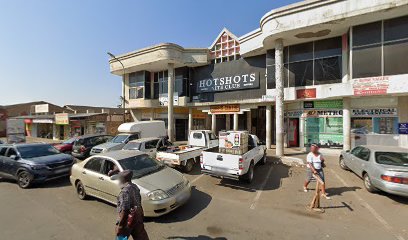
Tuza Safetywear is a Fire protection service establishment in Ethekwini, KwaZulu-Natal, South Africa
Ethekwini
KwaZulu-Natal
4399
South Africa

no-image
Sorry, no records were found. Please adjust your search criteria and try again.
Sorry, unable to load the Maps API.
Fire protection services in Ethekwini, KwaZulu-Natal
Fire protection services in Ethekwini cover a comprehensive range of expertise designed to safeguard lives and property within Durban and the surrounding KwaZulu-Natal communities. Local clients include commercial buildings, industrial facilities, retail centres, healthcare establishments and residential developments, each requiring a tailored approach to fire safety that respects the climate, urban density and regulatory requirements of the region. The objective across the sector is clear: reliable risk assessment, timely maintenance and effective emergency readiness.
In practice, service providers begin with a structured risk assessment. Qualified technicians evaluate building design, occupancy patterns, compartmentalisation, electrical installations and potential ignition sources. This assessment identifies vulnerabilities and informs the selection and placement of fire protection measures. Across Ethekwini, practical considerations often include higher humidity levels, coastal air exposure and the local building envelope, all of which can influence the longevity and performance of systems meant to suppress fires or facilitate safe evacuation.
A typical suite of services includes the installation, inspection and maintenance of active fire protection systems. These commonly encompass fire extinguishers, hose reels, fire alarms and automated detection networks. For larger premises or specialised operations, fire suppression systems such as dampers, deluge systems, sprinklers and clean agent or foam systems may be specified. Regular testing and servicing are emphasised to ensure that equipment functions as intended when required, with documentation that supports compliance and operational readiness.
Passive fire protection also features prominently. This involves measures designed to limit fire spread, such as fire doors, rated walls and floors, closures, and fire-stopping at penetrations. The goal is to create compartments that slow a fire, protect escape routes and preserve structural stability during an incident. In addition, emergency lighting, exit signage and audible alarms form an essential part of the safety framework, helping occupants locate exits and move to safety even if power supplies are compromised.
Maintenance contracts are a common arrangement, offering scheduled visits timed to match industry best practice and regulatory expectations. During these visits, technicians perform visual checks, functional tests and battery assessments where applicable. Any deficiencies are recorded and addressed, with recommendations for replacement parts, upgrades or system enhancements considered in light of evolving building use and fire risk.
Training and education are often included as components of a broader fire protection programme. Staff and building managers may receive practical guidance on evacuation procedures, the proper use of portable extinguishers, and the interpretation of alarm signals. Drills and scenario planning support an organisation’s ability to respond to real incidents, enhancing overall resilience in the Ethekwini environment.
Customers can expect clear communication about what is being installed or serviced, estimated timelines, and any impact on normal operations during works. Practical considerations in this region include coordinating with municipal fire services for inspections and approvals where required, understanding the implications of dense urban layouts, and aligning fire protection strategies with insurance and compliance expectations. Local service providers typically prioritise reliability, durability and ongoing support, recognising that effective fire protection is a long-term partnership rather than a one-off installation.
In sum, fire protection services in Ethekwini combine assessment, system installation, routine maintenance and training to create a layered defence against fire. The emphasis remains on pragmatism, local conditions, and a proactive stance towards safety, ensuring that buildings and their occupants can respond promptly and effectively in the event of an incident.