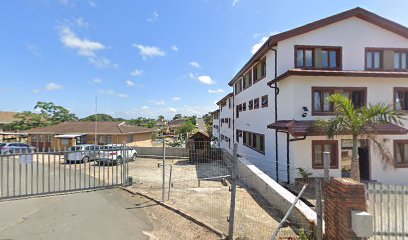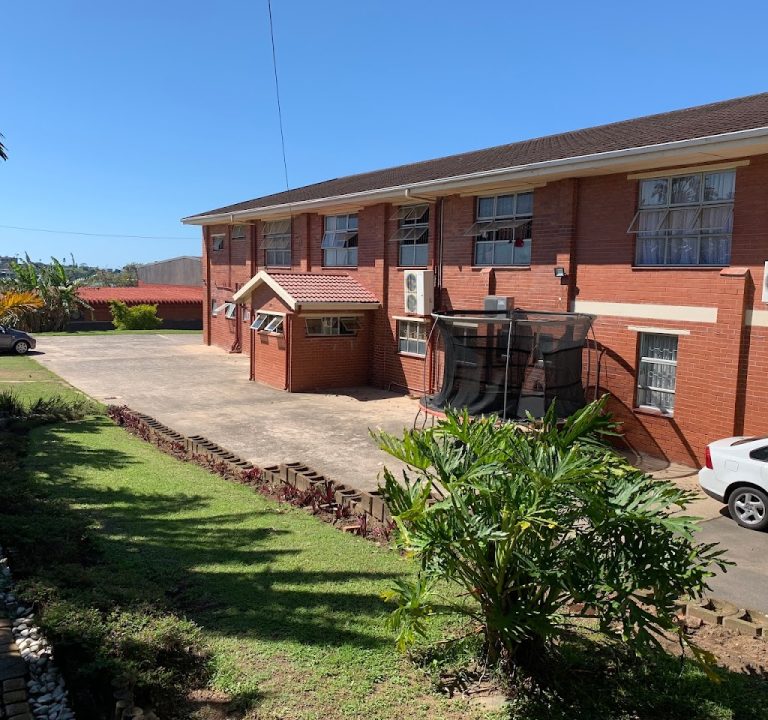
UICT Hasan Durum Holistic Education Centre is a Educational institution establishment in Durban, KwaZulu-Natal, South Africa
UICT Hasan Durum Holistic Education Centre – Durban, KwaZulu-Natal: an observer’s summary of services and customer experience
The materials available on the organisation’s website portray UICT as a community‑focused initiative with a broad remit that extends beyond conventional educational provision. While specific course offerings or on‑site programmes under the Hasan Durum Holistic Education Centre are not itemised in detail, the site signals a centre that situates learning within a wider framework of social support, humanitarian relief and community development. This broader framing suggests an emphasis on holistic development that combines education with charitable activity and social engagement within KwaZulu‑Natal and in international outreach projects.
Main services offered, as reflected by the site’s content, include educational activities embedded in community programmes and participation in humanitarian projects. The organisation shares updates about its work through a dedicated “Latest Updates” section, which highlights a variety of activity such as disaster relief, food hampers for vulnerable households, water and sanitation projects, and Ramadan‑related programmes. These items indicate a model where education sits alongside empowerment and aid initiatives, potentially incorporating learning elements within broader community projects, and providing a practical context for learners to engage with real‑world community needs.
In terms of customer experience, the visitor journey appears to be shaped by accessible online information and participatory opportunities. The site aggregates news and project updates, inviting readers to follow developments and observe the impact of fieldwork. The presence of donation functionality, including options to donate and to request a Section 18A receipt, implies an interaction channel through which supporters can tangibly contribute to programmes. This donation pathway is complemented by a social media footprint, suggesting ongoing avenues for engagement and information sharing with the public.
The site also hints at an international dimension to the organisation’s activities through references to aid campaigns and humanitarian projects in other regions. For a Durban‑based audience, this combination of local educational engagement and international charitable activity can broaden the perceived scope of the centre’s mission, reinforcing a sense of global citizenship alongside local learning communities.
Typical job types or roles connected with UICT, as inferred from the site’s priorities, may include roles in education programming support, community outreach, logistics for aid campaigns, fundraising and donor relations, as well as content creation for communications and updates. However, explicit job descriptions or service lists are not provided on the public pages, so prospective participants or collaborators should expect to encounter a broad, project‑driven operating model rather than a conventional, campus‑based education facility with fixed course timetables.
How requests usually work, based on the accessible information, involves engagement through donations and project participation. Potential supporters can contribute via the online donation feature and may request donation receipts; visitors can also follow updates to understand ongoing needs and activities. For those seeking to become involved in educational or community programmes, the structure appears to operate through project‑led initiatives and collaborative campaigns rather than standalone admissions processes.
Practical tips for customers and potential participants
- Review Latest Updates to understand current programmes and campaigns, including local community initiatives and international aid projects.
- Consider engaging through the donation options and reviewing donation receipts where applicable, as a concrete way to support educational and humanitarian activities.
- Follow the organisation’s social media channels for real‑time updates, stories from the field, and opportunities to participate in events or campaigns.
- If seeking involvement in educational‑programming aspects, look for announcements or contact points within project pages or news posts for details on how to join or contribute.
Location and scope: the centre is described as based in Durban, KwaZulu‑Natal, with activities that appear to extend beyond local programmes to international relief efforts. The content suggests a dual focus on community education within South Africa and participation in humanitarian work abroad, reflecting a broad community service ethos rather than a narrow classroom‑based offering.
Durban
KwaZulu-Natal
4091
South Africa

Sorry, no records were found. Please adjust your search criteria and try again.
Sorry, unable to load the Maps API.
Educational institution services in Durban, KwaZulu-Natal
Durban, a coastal city in KwaZulu-Natal, hosts a diverse range of educational institutions offering the full spectrum of services from early childhood development to higher learning. Outside observers note that these institutions typically combine formal curricula with student support, community engagement, and practical pathways to further study or employment. The environment often reflects South Africa’s rich linguistic and cultural mix, with provisions that cater to both local residents and international learners.
Most Durban-based institutions provide structured academic programmes aligned with national or provincial frameworks. Courses are designed to build foundational knowledge in core subjects while enabling specialisation through elective studies. Instruction commonly takes place in English, with isiZulu and other languages frequently offered as additional language options. Assessment generally includes a mix of examinations, coursework, and practical assessments, depending on the level and field of study. Accreditation and quality assurance processes are typically overseen by national or provincial authorities, and institutions strive to maintain clear progression routes from one level of study to the next.
In line with a learner-centred approach, a range of student services supports academic success and personal development. These services often include academic advising, tutoring, and learning skills programmes to assist with time management, research methods, and study techniques. Additional support may be provided for students with disabilities, including accessible facilities and specialised assistance to promote inclusive participation. Language support services help non-native speakers engage effectively with course content and campus life.
Practical arrangements characterise the day-to-day experience of studying in Durban. Campuses typically offer a mix of lecture theatres, laboratories, libraries, computer suites, and study spaces. Where feasible, campuses provide safe transport options, secure parking, and well-lit walkways to accommodate the city’s urban setting. Housing and accommodation services are important for many students arriving from other regions, with information and guidance available on residence options and nearby communities. Libraries and digital resources form a backbone for research and independent study, complemented by access to online databases and learning management systems where applicable.
Engagement beyond the classroom is encouraged through a variety of activities. Career guidance, internship placements, and industry linkages help bridge education with employment prospects. Extra-curricular facilities such as sport, arts, and cultural programmes contribute to holistic development and social integration. Institutions frequently partner with local organisations, businesses, and government bodies to broaden opportunities for work-integrated learning and community projects. These partnerships can emphasise practical experience, professional networking, and real-world application of academic knowledge.
Prospective students and guardians can expect clarity around admission requirements, programme duration, and progression criteria. Admissions processes typically involve submission of prior academic records, identification documents, and in some cases assessment results. Financial considerations are addressed through clear information on tuition fees, payment options, and available bursaries or scholarships, with guidance on application timelines. Safety and welfare considerations are often emphasised, including campus security measures, student support services, and mental health resources.
In summary, educational institutions in Durban offer a comprehensive array of services designed to support learning, personal growth, and future employability. The focus remains on accessible, high-quality education within a South African context, recognising the city’s diversity and its role as a gateway to regional and national opportunities.