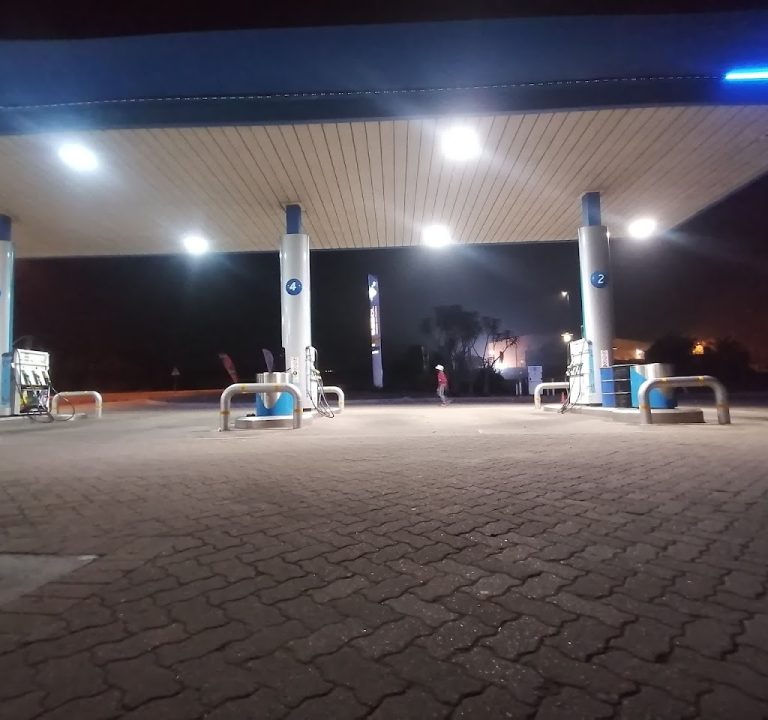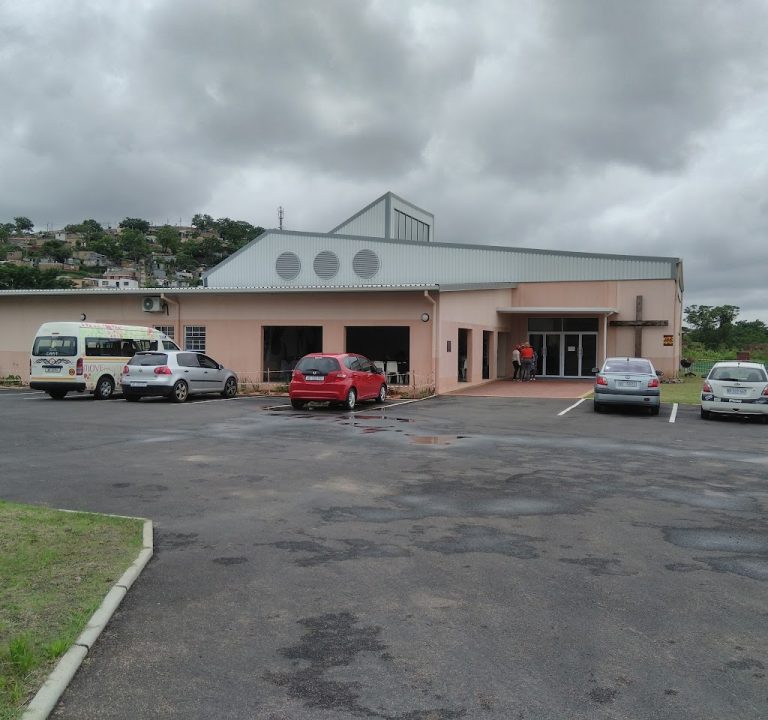
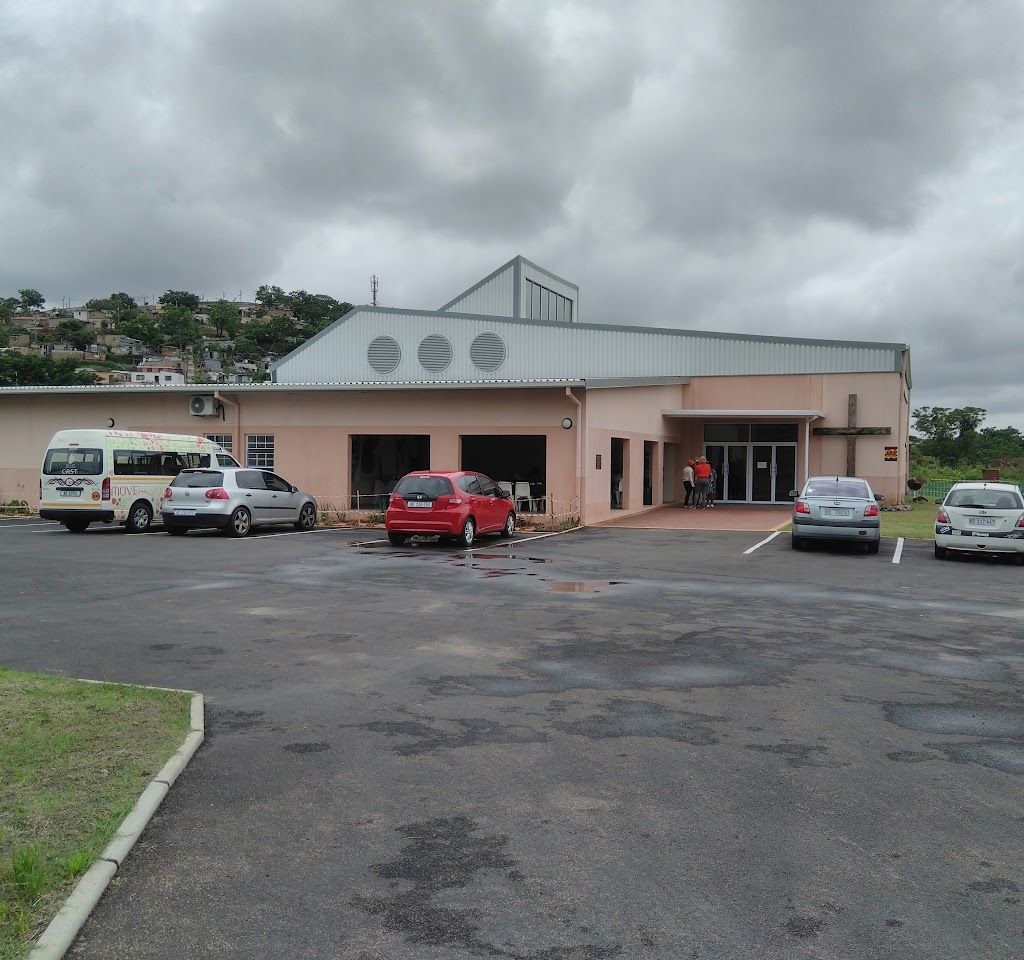
Ukuthula Trust is a Community center establishment in Durban, KwaZulu-Natal, South Africa
Durban
KwaZulu-Natal
4091
South Africa
Sorry, no records were found. Please adjust your search criteria and try again.
Sorry, unable to load the Maps API.
Community Centre Services in Durban, KwaZulu-Natal: An Overview
Community centres in Durban, KwaZulu-Natal, function as hubs of local activity, offering a range of programmes designed to support families, individuals and neighbourhood groups. These centres typically operate as accessible spaces where residents can learn, access essential services and participate in cultural and recreational activities. They often collaborate with municipal authorities, non-profit organisations and local volunteers to respond to community needs.
A core focus is education and skills development. Many centres provide after-school support for children, literacy and numeracy programmes, and basic digital skills workshops. For adults, programmes may cover literacy upliftment, language courses, and introductory vocational training aimed at improving employability. Workshops on budgeting, job readiness and entrepreneurial basics are common, helping residents build practical capabilities aligned with local opportunities.
Health and welfare services also feature prominently. Routine health screening and wellness education, immunisation outreach, and information sessions on nutrition and healthy living are frequently offered within the centre environment. Social welfare support is another key element, with guidance on accessing grants, housing assistance, safeguarding information, and referrals to specialised services. In some locations, partnerships enable periodic clinics or free health days hosted by partner organisations.
Childcare and youth programmes form a major component of Durban’s community centres. Safe, supervised spaces for play, homework supervision, and age-appropriate activities support working families. Youth clubs may feature sports, music, drama, and mentorship schemes designed to foster self-confidence, teamwork and leadership. Recreational facilities such as courts, gardens and outdoor areas are common and provide opportunities for exercise and communal gatherings.
Community centres often serve as venues for cultural and civic engagement. Regular activities may include cultural workshops, dance and music sessions, arts projects, language circles, and public meetings. These activities promote social cohesion, celebrate local diversity, and provide a constructive outlet for creativity. The centres may also host information sessions on local services, housing developments, and municipal programmes, encouraging residents to participate in community life.
Practical considerations are important for those planning visits or regular attendance. Accessibility is a frequent focus, with some centres offering wheelchair-friendly facilities and assistance for transport to and from sessions. Opening hours vary but are typically aligned with school terms and community rhythms, including after-school and weekend blocks. Registration processes are usually straightforward, with required documentation likely to include proof of residence or identity, and occasional beneficiary verification for specific schemes. It is common for centres to rely on volunteers and to welcome donations of materials, equipment or funds to support programmes.
Participation often operates on an inclusive basis, with spaces designed to accommodate parents with young children, seniors, and individuals with differing abilities. Language considerations reflect KwaZulu-Natal’s multilingual landscape, with sessions offered in English alongside isiZulu and sometimes other local languages. The environment in Durban’s community centres tends to be welcoming and informal, prioritising safety, respect and community stewardship.
Potential users are encouraged to inquire about available programmes, timetables, and any costly barriers such as fees, while recognising that many services are subsidised or offered free where possible. The centres’ roles extend beyond education and welfare, acting as practical, local solutions for daily needs, social connection and empowerment within the Durban district. By prioritising accessible services and collaborative partnerships, Durban’s community centres contribute to more resilient neighbourhoods across KwaZulu-Natal.