Umbogintwini Primary School is a Primary school establishment in Durban, KwaZulu-Natal, South Africa
Umbogintwini Primary School (Twini) – overview of services and student experience
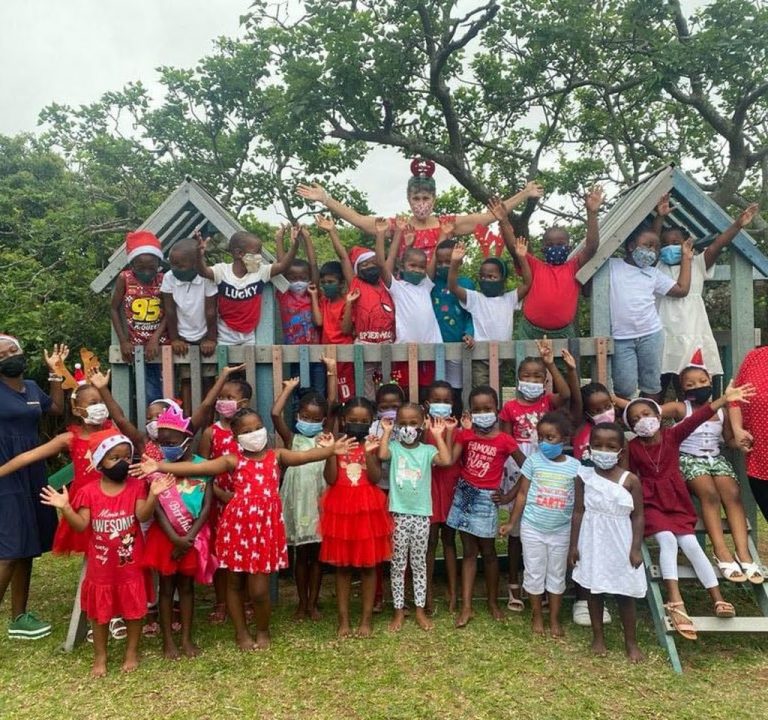
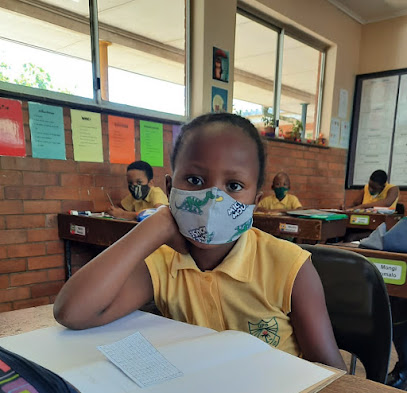
Umbogintwini Primary School, affectionately known as “Twini,” is a long‑standing primary school located in Athlone Park, Durban, KwaZulu‑Natal. Opened in 1911, the school emphasises a family atmosphere where each learner is welcomed as an individual. The campus presents a traditional co‑educational environment with a strong focus on academics, culture and sport, underscored by a commitment to developing skills, knowledge and values in every child.
The school describes its overarching aim as providing quality education and a setting in which learners can grow academically while cultivating personal values. A notable aspect of Twini is the emphasis on inclusivity and acceptance, with the belief that every learner is unique and should be respected regardless of differences. This ethos is reflected in the school’s Pillars of Character, which include Trustworthiness, Respect, Responsibility, Fairness, Caring, and Citizenship. These values guide daily interactions, classroom conduct and broader school life.
Twini operates within a holistic educational framework that blends academics with a broad array of extra‑curricular activities and sports. The school highlights extensive opportunities beyond the classroom, designed to foster physical well‑being, creativity and teamwork. The activities listed include soccer, cricket, netball, swimming, athletics, cross country, chess, art, choir and music, with specialist coaching where possible. This mix aims to support both athletic development and cultural engagement, helping learners to discover and nurture diverse talents.
Facilities at Umbogintwini Primary School support its wide activity programme. The school notes air‑conditioned classrooms to aid concentration during Durban’s warmer months, along with a swimming pool and a range of sporting amenities. An after‑care service is available for all learners at an additional monthly cost, reflecting a practical support option for families needing extended supervision beyond standard school hours. A tuck shop operates daily during breaks, offering drinks and snacks to staff and learners, contributing to a practical on‑site service for daily routines.
Academic and co‑curricular achievement is framed by a long history of involvement in the community. The principal’s note highlights a favourable teacher/pupil ratio, achieved in part through the employment of additional teaching staff and specialists in Library, Music and Swimming. This approach supports English second language learners and provides dedicated attention in core and enrichment areas. The school’s history and traditions are presented as a source of pride, indicating a track record of pupils progressing to high school, university and successful career paths.
In terms of typical student experience, Twini promotes a balanced schedule of core learning combined with a comprehensive extra‑mural calendar. Students can participate in team sports (including boys’ and girls’ soccer, rugby and cricket) as well as individual and group activities such as swimming lessons, athletics, cross country, chess and art. A choir and music programme offers opportunities to refine musical talents, while the art club provides a space for creative expression. Inter‑house and interschool events, including gala days and chess tournaments, are highlighted as part of the school’s vibrant activity calendar.
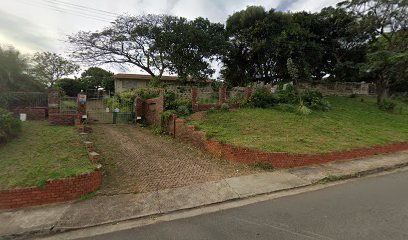
Practical details for prospective families include the school’s location at 9 Prince Street, Athlone Park, Durban, and its contact information, which supports easy arrival and inquiry. The school’s content also indicates a community‑oriented approach, with a strong emphasis on parental involvement as part of a “team” that prepares learners not only for high school but for life beyond school gates.
Tips for visitors and prospective parents include planning around the school day to appreciate the full range of activities on offer, and recognising the value placed on inclusive, respectful environments. Considering the after‑care option and the daily tuck shop, families can factor additional on‑site services into their routines. Observers may note the school’s commitment to sustaining a supportive atmosphere where English language development and individual attention are prioritised, particularly in the Foundation Phase through dedicated teacher assistants and language support.
Umbogintwini Primary School serves a mixed urban area within Durban and aims to accommodate a broad cohort of learners through its experienced staff, diverse facilities and extensive extra‑curricular programme. The emphasis on character education, community involvement and a well‑documented history positions Twini as a historically significant and actively engaged local primary school.
Durban
KwaZulu-Natal
4126
South Africa

Sorry, no records were found. Please adjust your search criteria and try again.
Sorry, unable to load the Maps API.
Primary School Services in Durban, KwaZulu-Natal
In Durban, KwaZulu-Natal, primary schools provide a range of services designed to support the holistic development of children from early years through to the end of junior primary. Observers note that schools in this region often balance a respect for local culture with the expectations of a modern curriculum, offering programmes that cater to a diverse urban and coastal community.
Curriculum and learning experiences form the core of primary schooling. Typical provision covers core subjects such as literacy, numeracy, science, social studies, arts and physical education. Many Durban schools deliver lessons in English as the primary language of instruction, with isiZulu and other local languages commonly introduced to promote linguistic development and cultural appreciation. Practical and enquiry-based learning is often emphasised, aiming to build critical thinking, collaboration and problem-solving skills from an early age.
Daily routines typically include a structured timetable featuring morning assemblies, classroom lessons, recess and lunch breaks, and dedicated times for reading, outdoor play and practical activities. The school day may extend with supervision or aftercare options for families requiring additional support with work commitments. Safety and discipline policies prevail, with clear expectations around pupil conduct, supervision, and safeguarding.
Admissions and assessments are usually standardised processes. Many Durban primary schools conduct a gradual assessment during the transition into Year 1 to gauge literacy, numeracy and foundational skills. The admissions journey may involve documentation, placement testing, and consideration of prior academic records. Some schools offer phased entry points and guidance for families navigating the process, while others publish open days or information evenings to help parents understand school ethos, curriculum choices, and community values.
Parental involvement is a common feature, with schools frequently encouraging engagement through regular reporting, parent–teacher consultations, and opportunities to participate in school events, governing bodies, or volunteer programmes. Communication typically includes termly reports, parent portals or newsletters that outline learning milestones, upcoming activities, and opportunities for continuing home learning support.
Nutrition and health considerations form an important part of the school offering. On-site or approved meal facilities may provide balanced meals or snacks, with attention to dietary requirements and food safety. Health policies commonly address routine medical checks, immunisations, and medication administration procedures, ensuring that the school environment remains supportive for all pupils.
Extra-curricular activities provide additional avenues for development outside of the standard timetable. Provision often spans sports such as football, cricket, netball or athletics, alongside cultural activities, music, drama, art and technology clubs. Participation is typically voluntary, with varying levels of commitment depending on the school and the term.
Practical considerations for Durban families include transport arrangements, which may involve school buses or organised carpooling, taking into account traffic patterns and weather. School facilities sometimes feature secure play areas, well-equipped classrooms, libraries, computer labs, and outdoor spaces suitable for a coastal climate. Weather considerations can influence outdoor activity plans, with provisions for shade, hydration, and sun protection common in hot seasonal months.
Overall, primary school services in Durban, KwaZulu-Natal, position themselves as community-centred environments that blend foundational academic instruction with well-rounded development. The emphasis remains on fostering readiness for later schooling, while supporting families through clear communication, inclusive practices and safe, engaging learning environments. Prospective parents are advised to review each school's ethos, available support services, and transitional opportunities to identify the best alignment with their child’s needs and family circumstances.