no-image
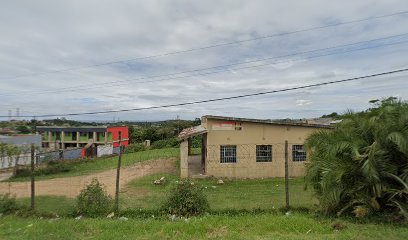
Umgeni Water Amanzimtoti is a Water treatment plant establishment in Malagazi, KwaZulu-Natal, South Africa
Malagazi
KwaZulu-Natal
South Africa
South Africa

no-image
Sorry, no records were found. Please adjust your search criteria and try again.
Sorry, unable to load the Maps API.
Water treatment plant services in Malagazi, KwaZulu-Natal
Water treatment plant services in Malagazi encompass a range of activities aimed at ensuring reliable access to clean, safe water for communities, industries, and agricultural operations throughout the region. The offerings typically reflect the local climate, groundwater quality, and regulatory expectations, balancing technical effectiveness with practical operation in a rural-to-suburban setting within KwaZulu-Natal.
A common focus is the design, installation and maintenance of small to medium-scale treatment facilities that can handle varying water sources, from boreholes to surface water. Engineers and technicians assess water characteristics such as turbidity, dissolved minerals, microbial content, and pH, selecting appropriate treatment processes. In many instances, conventional approaches include intake screening, sedimentation or filtration, disinfection, and post-treatment stabilization. Plant layouts prioritise reliability, ease maintenance, and energy efficiency, with attention given to space constraints and environmental impact.
Operational services cover ongoing monitoring and adjustment to maintain water quality standards. Regular sampling and in-situ testing help track key parameters such as residual disinfectant levels, conductivity, and turbidity. Automated control systems are common, enabling remote or local management of pumps, valves, and dosing equipment. Maintenance visits address wear and tear on pumps, motors, piping, and filtration media, while scheduled shutdowns support cleaning, calibration, and replacement of critical components. Equipment reliability is a particular concern in KwaZulu-Natal, where weather patterns and water demand can fluctuate markedly.
Water quality assurance is another essential aspect. Practitioners may provide guidance on pre-treatment needs at abstraction points, treatment optimisation to achieve target turbidity and bacterial indicators, and post-treatment storage to preserve disinfection efficacy. In some instances, customers require ancillary services such as backwashing of filters, chemical dosing control, and the management of residuals in a manner compliant with local environmental regulations. Training and capacity building for operators are often offered to support safe, compliant, and efficient plant operation.
From a customer perspective, practical considerations include site access, power supply reliability, and secure storage for treatment chemicals. Malagazi sites may benefit from logistics planning that accounts for remote locations, seasonality, and maintenance windows that minimise disruption to supply. Plans emphasise safety protocols for handling chemicals, confined spaces, and the operation of high-pressure systems. Budgetary planning typically covers capital expenditure for equipment and structure, plus ongoing operating costs such as energy, consumables, and routine service visits.
The scope of services commonly extends to water source assessment and, where necessary, guidance on source protection and groundwater management. This may involve initial characterisation of raw water quality, identification of potential contamination risks, and recommendations for simple, low-maintenance treatment options suitable for small communities or local enterprises. In more complex situations, professional input supports the integration of mechanical and electrical systems with automation, ensuring that treatment performance aligns with evolving needs and regulatory expectations.
Environmental and public health considerations influence the delivery of Water treatment plant services in Malagazi. Operators aim to reduce chemical usage where feasible, promote energy-efficient practices, and implement discharge controls that limit environmental impact. While exact specifications vary by site and client, the overarching objective remains the provision of dependable, high-quality water through well-managed treatment processes, informed by local conditions and professional best practice.