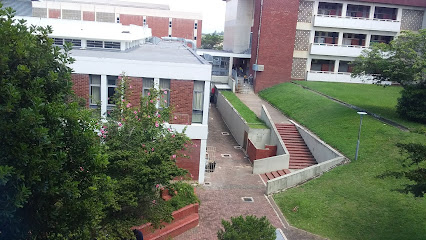
University of KwaZulu-Natal – College of Law and Management Studies is a University establishment in Westville, KwaZulu-Natal, South Africa
University of KwaZulu-Natal – College of Law and Management Studies (CLMS): Services and Visitor Experience
The College of Law and Management Studies (CLMS) sits within the University of KwaZulu-Natal and operates across multiple campuses, including Westville, Howard College, and Pietermaritzburg. Its organisational structure comprises three schools: the School of Commerce, the Graduate School of Business and Leadership, and the School of Law. This arrangement signals a focus on both professional and academic development, spanning business, law, and management disciplines at undergraduate, postgraduate, and doctoral levels.
The School of Commerce offers a broad spectrum of business-related programmes, including Bachelor’s, Honours, Postgraduate Diplomas, Masters, and Doctoral studies. The presence of a diverse portfolio suggests pathways for students seeking professional qualifications in areas such as accounting, finance, management, and related commercial fields. The Graduate School of Business and Leadership complements this with postgraduate diplomas, master’s programmes, and doctoral options, emphasising advanced study, research opportunities, and leadership development aimed at preparing graduates for senior roles in industry and public sector contexts.
In the field of law, the School of Law provides programmes at the undergraduate and postgraduate levels, including LLB, LLM, and Doctoral studies. This indicates a structured curriculum designed to support legal training from foundational to specialist levels, alongside advanced legal research and practice-oriented postgraduate options. The combination of law and commerce within CLMS underlines a practical orientation toward business law, governance, and strategic decision-making within a South African and international context.
For prospective students and visitors, CLMS presents information through its dedicated pages and news updates. The latest posts highlight a focus on graduate achievements, ethical practice in healthcare through related workshops, and professional development opportunities such as speed networking and skills development sessions. These elements reflect a college environment that values continuous learning, industry engagement, and real-world applicability of academic study.
Visitors to CLMS are guided by event information and campus locations. Notable activities include postgraduate open days and campus-based events designed to illuminate study options, application processes, and the potential career trajectories associated with CLMS programmes. The university notes that events for prospective postgraduate study have taken place at both Pietermaritzburg and Durban locations, with facilities described in relation to campus addresses and nearby venues. Westville hosts the Graduate School of Business and Leadership activities and related workshops at times that cater to prospective students and professionals seeking further study or doctoral opportunities.
Practical tips for customers and prospective students include checking campus locations and event calendars for the latest information on open days and study fairs, as well as reviewing programme-specific pages for detailed entry requirements, duration, and modes of delivery. Given the emphasis on postgraduate study and industry-relevant learning, it is advisable to prepare a clear outline of research interests or career goals before attending information sessions or applying for programmes.
- Carefully note the campus and school focus that aligns with desired study area (Commerce, Law, or Leadership and Business).
- Monitor the CLMS news pages for updates on workshops, networking events, and academic milestones relevant to postgraduate study.
- Plan to attend postgraduate open days if considering master’s or doctoral qualifications, especially when sessions are scheduled in Pietermaritzburg or Durban venues.
- Prepare academic transcripts, proof of English proficiency (where required), and a clear statement of research interests for postgraduate applications.
- Consult the respective school websites for detailed programme structures, entry requirements, and delivery modes (on-campus or blended learning).
Operational highlights include access to the Westville campus area for the Graduate School of Business and Leadership activities, with other CLMS campuses serving the broader KwaZulu-Natal region. The college emphasises student-centred learning, transformation, and attracting diverse student cohorts through its academic offerings and supportive environment. While specific business hours are not listed in the available materials, the presence of structured open days and campus events suggests a pattern of afternoon sessions and weekend or after-work events to accommodate prospective students and working professionals.
Location and area served: CLMS operates across multiple campuses within KwaZulu-Natal, South Africa, including Westville and Pietermaritzburg, with activities extending to Durban for selected events. The college supports a regional footprint aimed at engaging learners from varying backgrounds and facilitating graduate pathways in commerce, law, and leadership disciplines.
Westville
KwaZulu-Natal
3630
South Africa

Sorry, no records were found. Please adjust your search criteria and try again.
Sorry, unable to load the Maps API.
University Services in Westville, KwaZulu-Natal
In Westville, KwaZulu-Natal, university services are designed to support students, staff and the wider community through a range of academic, administrative and welfare offerings. The focus is on enabling access to higher education, facilitating successful study, and promoting personal development within a vibrant campus environment.
A core element of service provision concerns admissions and enrolment. Prospective students typically engage with clear pathways for application, documentation, and assessment. Once admitted, learners proceed through registration processes that establish student records, module choices, and assessment schedules. Support is commonly available to explain academic requirements, funding options, and timelines, ensuring a smooth transition from applicant to enrolled student.
Academic support services form another essential pillar. Libraries provide access to reading materials, journals, and study spaces, complemented by information literacy programmes and research assistance. Learning development centres may offer tutoring, study-skills workshops, and guidance on academic writing. For disciplines requiring specialised facilities, access to laboratories, computing laboratories, and relevant equipment is coordinated through department or faculty channels, with safety and usage policies clearly communicated.
Student welfare and guidance services are readily accessible to address personal, financial and mental health needs. Counselling and wellness resources help students manage stress, navigate cultural adjustments, and build resilience. Financial support offices typically provide information on bursaries, scholarships, and emergency funds, along with guidance on budgeting and financial planning. Accessibility services are available to assist students with disabilities, ensuring reasonable adjustments and inclusive participation in lectures, exams, and campus life.
Accommodation and dining services are designed to support student living arrangements. On-campus residences or partnerships with nearby housing providers offer safe and affordable options, with processes for applying, room allocations, and ongoing welfare checks. Campus dining facilities strive to provide nutritious options, price transparency, and reasonable access to meals for all students.
Career development and employability services assist students in preparing for the transition from study to work. Workshops, industry networking events, and guidance on CVs, interview techniques, and work-integrated learning opportunities are commonly offered. While specific programmes may vary, the underlying aim is to enhance graduate prospects and practical readiness for the job market.
Information technology and digital services are integral to modern university life. Computer labs, secure network access, and online portals support communication, coursework submission, and resource discovery. Help desks or user support channels are typically available to assist with password resets, software access, and troubleshooting, with clear guidelines on service hours and response times.
Sport, culture, and community engagement opportunities contribute to the holistic university experience. Recreational facilities, fitness programmes, clubs, and societies enable participation in physical activity and creative pursuits. Community outreach initiatives and partnerships may extend learning beyond the campus, fostering civic engagement and regional collaboration.
Practical considerations for prospective and current students include campus safety, transport options, and bellwether policies regarding campus access and conduct. Clear information on opening hours, peak periods for admissions and examinations, and contingency plans for disruptions helps manage expectations. While the specific services and facilities can vary by campus and institution, the overarching framework emphasises accessibility, student-centred support, and a supportive learning environment in Westville’s university setting.