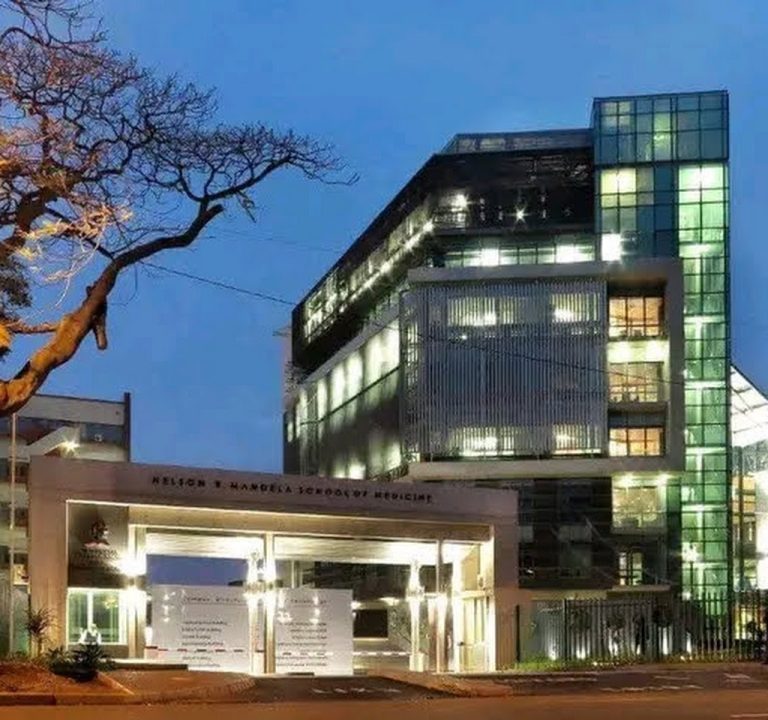
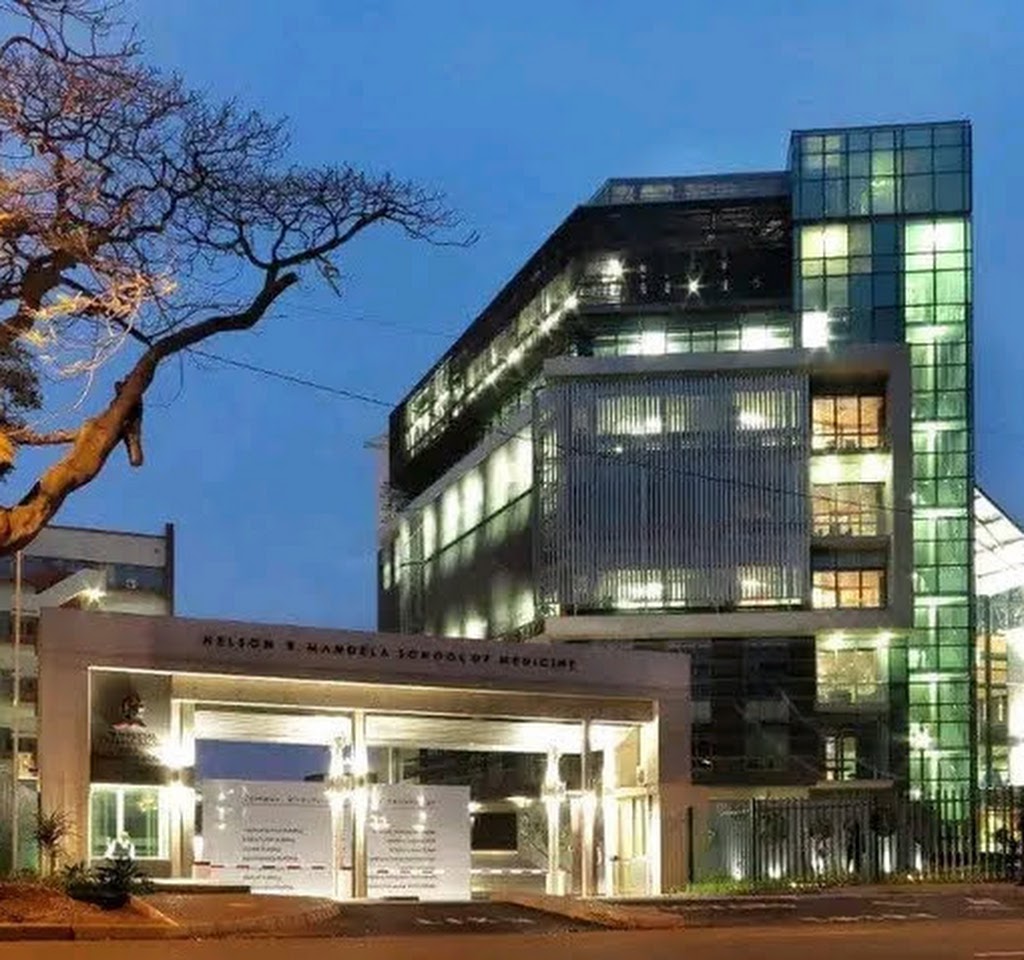
University of KwaZulu-Natal – Nelson R. Mandela School of Medicine is a Medical school establishment in Berea, Kwa-Zulu Natal, South Africa
University of KwaZulu-Natal – Nelson R. Mandela School of Medicine (Medical School, Berea, KwaZulu-Natal)
Situated within the University of KwaZulu-Natal, the Nelson R. Mandela School of Medicine serves as a core component of the institution’s health sciences footprint in KwaZulu-Natal. As an external observer notes, the school is part of a broader university framework dedicated to academic excellence, innovative research, and community engagement. The facility contributes to the province’s medical education by integrating classroom learning with clinical training, research activity, and partnerships across health services in the region.
Educational offerings at the medical school are aligned with UKZN’s mission to advance African-centred scholarship and transformative learning. While specific programmes are not itemised in the public-facing materials provided, the school is generally involved in delivering undergraduate medical education, postgraduate training, and research opportunities that support the development of healthcare professionals who can address local and national health priorities. The school’s presence in Berea reflects access to urban hospital networks and affiliated clinical sites that enhance practical learning and patient-centred experience.
In terms of customer experience, prospective and current students can expect a pathway that blends academic instruction with hands-on clinical exposure. The university’s wider communications emphasise a streamlined approach to study and registration, including online applications and status processes for course enrolment and offers. For prospective applicants, the study and admissions ecosystem is described via UKZN’s study portals and registration communications, which guide entrants through application submission, offer status checks, and registration timelines. This approach supports clarity around timelines, prerequisites, and the progression from applicant to enrolled student within the medical school’s context.
Research and community engagement are implicit strengths of the Nelson R. Mandela School of Medicine, mirroring UKZN’s broader emphasis on impactful scholarship. While specific research units or projects are not itemised in the general materials provided, engagement with public health initiatives, clinical research, and collaborations with the region’s healthcare providers are consistent with the university’s goal of driving knowledge generation and real-world impact in KwaZulu-Natal and beyond.
Typical interactions with the school and its broader network often occur through the university’s central communications channels, including announcements about registration, study opportunities, and campus life. Visitors can expect to encounter a structured environment that supports learning, professional development, and access to campus services as part of the UKZN ecosystem. The Berea campus location situates the school within a dynamic urban context that affords access to clinical partner sites and varied healthcare settings.
Main services offered (as part of the medical education and health sciences ecosystem) include:
- Undergraduate medical education and postgraduate training aligned with clinical practice and patient-oriented care
- Clinical training programmes through affiliated hospitals and health facilities
- Research opportunities across health sciences, with potential collaboration across departments within UKZN
- Student support and registration processes managed through UKZN’s central portals and study platforms
How requests typically work, from a user perspective, involves navigating UKZN’s online admissions and study portals. Prospective students and applicants are guided to use official online application systems, monitor application status, and complete registration steps as per the university’s published timelines. The structure emphasises transparency in offer communications, status checks, and the seamless progression from application to enrolment within the Nelson R. Mandela School of Medicine’s framework.
Practical tips for customers planning a visit or engagement include:
- Consult the UKZN study portal for the latest admissions information and application deadlines relevant to medical programmes
- Review the official announcements and registration notes to understand the process for offers, acceptance, and enrolment
- Explore the Berea campus context to anticipate the clinical training environment and available campus services
- Monitor the university’s news section for updates on health sciences research initiatives and partner programmes
Business hours and specific on-site availability are not detailed in the public materials provided. The location is the Nelson R. Mandela School of Medicine within Berea, KwaZulu-Natal, South Africa, and services are positioned to serve medical students, researchers, and healthcare professionals within the KwaZulu-Natal region and the broader UKZN network.
Berea
Kwa-Zulu Natal
4001
South Africa

Sorry, no records were found. Please adjust your search criteria and try again.
Sorry, unable to load the Maps API.
Medical School Services in Berea, Kwa-Zulu Natal
Medical education in Berea, Kwa-Zulu Natal, situates learners within a vibrant urban environment that blends academic rigour with practical clinical exposure. Institutions and partner organisations in this area typically provide a range of services designed to guide aspiring clinicians from initial application through to professional practice. The emphasis across these offerings is on supervision, structured learning, and access to resources that support both academic achievement and patient-facing competence.
Prospective students commonly encounter guidance centred on admissions pathways, programme structure, and selection criteria. While specifics vary by institution, available information generally covers prerequisites, application timelines, and the sequencing of coursework and clinical rotations. Visitors may find information centres or dedicated student counsellors who can outline degree requirements, articulation options, and timelines for milestones such as examinations, clinical placements, and graduation.
Clinical training represents a core component of medical school services in Berea. Learners typically engage with hospital-affiliated departments and community clinics to observe and participate in patient care under supervision. Clinical sites are chosen to expose students to a range of medical conditions, emergencies, and patient demographics reflective of regional needs. The learning experience integrates patient history taking, physical assessment, diagnostic reasoning, and the evolving responsibilities of future doctors, with feedback provided by qualified clinicians and mentors.
Simulation laboratories and skills development facilities are commonly utilised to prepare students for real-world practice before patient interaction. These environments offer controlled, repetitive practice of essential procedures, communication scenarios, and teamwork exercises. The aim is to build confidence and safety in clinical skills, while adhering to established standards for curriculum and assessment.
Academic and library support services underpin study and research activity. Institutions typically provide access to comprehensive libraries with medical texts, journals, and digital resources, alongside quiet study spaces and group learning rooms. Research support may include guidance on study design, data analysis, literature reviews, and ethical considerations, helping students develop evidence-based practice habits early in their training.
Student wellbeing and pastoral care are recognised as important elements of the learning journey. Support services often address mental health, stress management, financial counselling, and disability accommodations. Accessibility services may assist with exam arrangements, note-taking, and mobility considerations, ensuring that all learners can engage with the curriculum effectively.
Professional development and career guidance form a practical bridge to post-graduate opportunities. Careers information, overviews of residency programmes, and networking events with clinicians and academics help students understand potential specialty pathways and the steps required to pursue them after graduation. Ethical and professional conduct training is typically integrated into the programme, reinforcing the responsibilities that accompany medical practice.
Practical considerations for studying in Berea include transportation access, accommodation options near campuses, and the availability of reliable internet and study facilities. The urban location offers diverse housing and social environments, alongside a range of healthcare facilities for clinical experiences. Prospective students are encouraged to verify campus-specific details, including intake dates, campus facilities, and the exact nature of clinical partner arrangements, to plan effectively.
In summary, Medical school services in Berea, Kwa-Zulu Natal, encompass admissions guidance, clinical training, simulation and skills development, academic and library support, wellbeing services, professional development, and practical logistics. Together, these offerings create a structured pathway for students to progress from foundational knowledge to competent, patient-centred medical practice within a South African context.