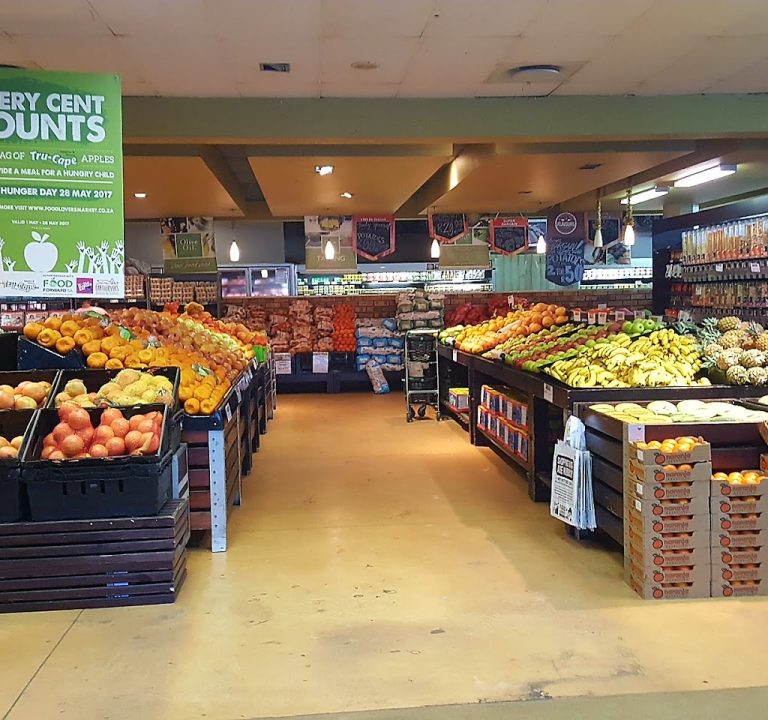
Village Food Market Cowey Centre is a Fresh food market establishment in Durban, KwaZulu-Natal, South Africa
Durban
KwaZulu-Natal
Berea, Durban
South Africa


Sorry, no records were found. Please adjust your search criteria and try again.
Sorry, unable to load the Maps API.
Fresh food market services in Durban, KwaZulu-Natal
Durban’s fresh food markets offer a vibrant blend of locally sourced produce, seafood, meat, baked goods, and prepared foods situated within bustling precincts across KwaZulu-Natal’s coastal city. The markets attract a mix of residents, traders and visitors who seek seasonal flavours, diverse regional staples, and the opportunity to interact directly with growers and sellers. The experience typically centres on a physical marketplace where stalls showcase a range of edible goods alongside related household essentials.
For shoppers, the core appeal lies in accessibility and variety. Fresh fruit and vegetables are commonly presented in seasonal assortments, with traders often displaying prices prominently and providing guidance on ripeness, storage, and preparation. Seafood and meat sections emphasise integrity and freshness, usually supported by visible display counters, refrigerated storage, and knowledgeable staff who can advise on selection and basic preparation. Baked goods, prepared foods, and street-food style offerings add convenience for those seeking quick, wholesome meals or snacks. Markets frequently feature a mix of established vendors and smaller family-owned operations, contributing to a dynamic and often family-friendly atmosphere.
Support services and practical considerations are typically woven into the market experience. Visitors should expect clear signposting for entrances, exits, and amenities such as toilets and seating areas. Parking arrangements vary by site, with some markets offering dedicated spaces or secure lots, while others rely on surrounding street parking. Accessibility is a common priority, with wide aisles and shaded walkways to accommodate the Durban climate, particularly during hotter periods. Cash and card payments are usually accepted, though smaller stalls may prefer cash transactions; some vendors may offer mobile or contactless options where available.
Markets in Durban frequently host a broader ecosystem of services related to fresh food shopping. These include:
- Information desks or customer assistance points where visitors can ask about vendor locations, seasonal produce, or food safety practices.
- Packaging and takeaway options, allowing customers to purchase bulk quantities or ready-to-cook components for families and local households.
- Waste and cleanliness protocols, with regular cleaning schedules and recycling or disposal receptacles to help maintain a tidy, inviting environment.
- Seasonal displays that highlight locally grown crops, with producers available to discuss harvest timeframes, origin, and farming methods.
- Community programmes or partnerships that promote local agriculture and small-scale farming initiatives.
The way fresh food market services operate is grounded in direct interaction. Traders typically select and display their goods in open stalls, enabling customers to inspect, compare and negotiate. Prices are often visible, while some vendors may offer discounts for larger purchases or bulk orders. Where prepared foods are available, vendors may provide sample tastings or cooking demonstrations, subject to space and safety considerations. Market-goers commonly plan visits around peak hours when fresh deliveries arrive, ensuring the highest likelihood of quality and freshness.
For those visiting Durban’s markets, practical guidance includes arriving with time to explore multiple stalls, keeping an eye on product freshness such as colour, aroma and texture, and following basic food safety practices at home. While enjoying the diverse offerings, consumers are reminded to consider environmental factors, such as bagging produce separately to avoid bruising and using reusable containers where feasible. Overall, Durban’s fresh food markets present a locality-specific snapshot of South Africa’s rich food culture, blending convenience with a strong emphasis on regional flavours and direct-to-consumer trading.