

VSC LOGISTICS is a Transportation service establishment in Mpumalanga, KwaZulu-Natal, South Africa
VSC LOGISTICS: Transportation services in Mpumalanga and KwaZulu-Natal, South Africa
VSC Logistics CC is presented as a general transport provider operated since 2007, offering a range of vehicle types aligned to varied freight tasks. The company describes a focus on professional transport services with an emphasis on forging long‑term relationships within the community and adapting to local conditions to make efficient use of available resources. The business is registered as a close corporation and positions itself within the broader South African logistics sector as a flexible option for customers seeking dependable domestic transport solutions.
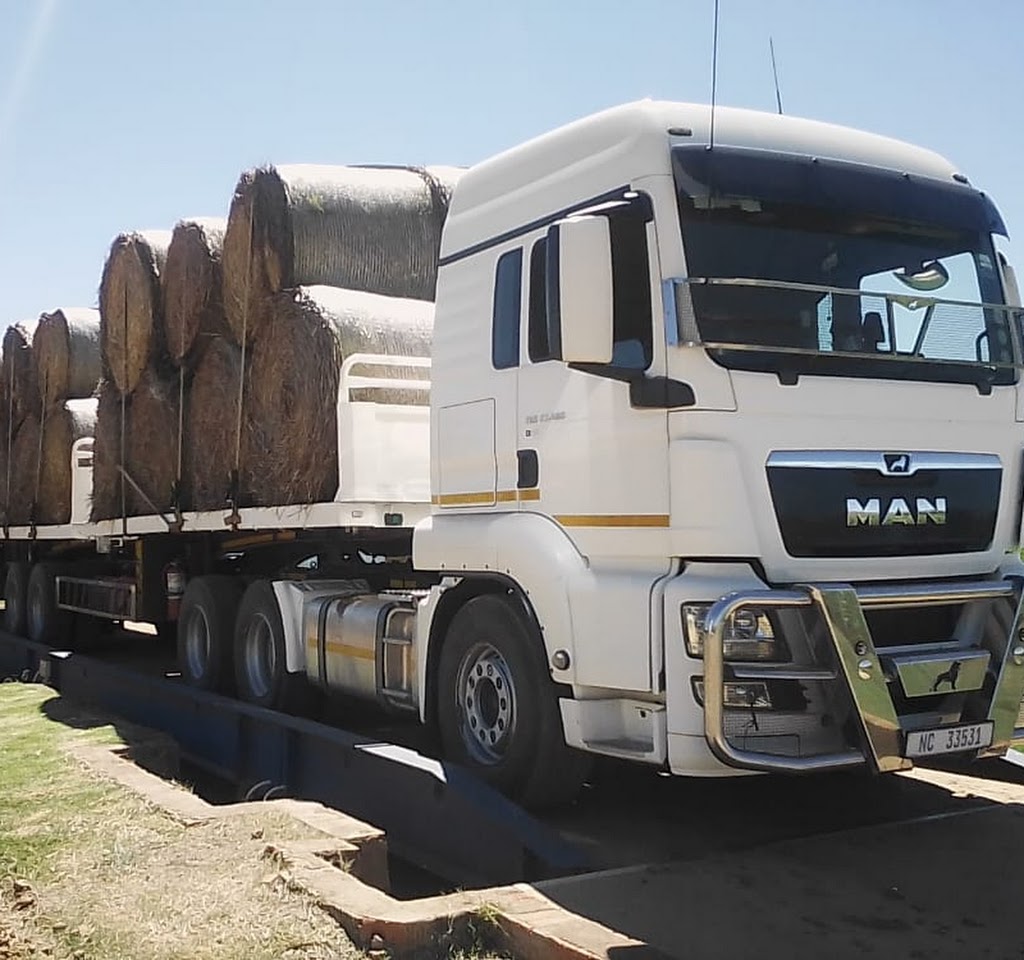
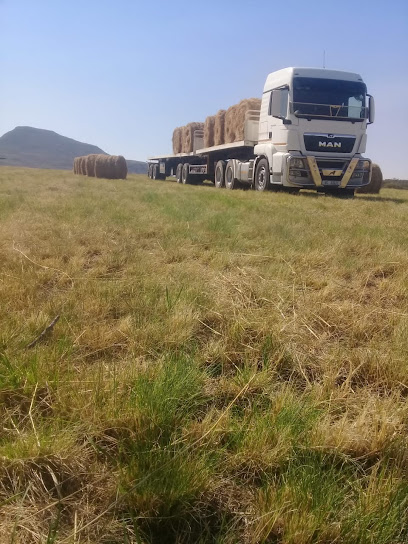
Key service categories appear to be organised around a diversified vehicle fleet designed to accommodate different load profiles and industry requirements. The company lists four main vehicle groups, complemented by specialised equipment and tonnage options. These categories signal an ability to manage diverse freight tasks from smaller, urgent deliveries to heavier, multi‑tonnage consignments. The service presentation implies a capacity to handle varied freight scenarios typical of regional and intra‑provincial logistics within Mpumalanga and KwaZulu‑Natal.
The fleet profile includes:
- Tipper vehicles for bulk or loose freight handling.
- Crane trucks and trailers to assist with loading, off‑loading, and site handling where crane access is required.
- Superlinks, offering longer‑haul or multi‑drop capabilities with extended payloads.
- Flat beds and hazardous materials (HAZCHEM) compliant equipment for specialised cargo and delicate or hazardous loads.
- A range of gross vehicle weights, including 8 ton, 12 ton, 30 ton and 34 ton configurations, enabling a spectrum of load capacities to suit different shipment requirements.
The organisation communicates the inclusion of Goods in Transit (GIT) insurance as part of its value proposition. This insurance is described as protecting items from theft, loss or damage while they are in transit, underscoring a commitment to safeguarding customers’ cargo during the transport phase. It is explicitly noted that GIT insurance covers only the transit period, not the time spent at depots or in vehicles at rest, which reflects standard insurance practice and helps set clear expectations for clients seeking transit protection.
From a visitor perspective, the business presents itself as accessible to potential customers through multiple contact channels. The website publicly lists two telephone numbers and an email address, offering opportunities for quotations and enquiries. The presence of a “Learn More” link on the about page suggests an intention to provide deeper context about the company’s operations and history for interested parties evaluating service fit and reliability. Customer testimonials or reviews indicate that clients have experienced prompt communication, customising responses from quotation through to completion of loads, and generally positive feedback regarding service levels and friendliness.
In terms of geographical scope, the service footprint is described within the business listing as serving regions within Mpumalanga and KwaZulu‑Natal, South Africa. This aligns with the common practice of regional transport providers focusing on nearby provinces to leverage local knowledge, traffic patterns, and site familiarity. The company’s stated mission and vision emphasise professional service delivery and community development, hinting at a broader social aim beyond transactional freight movement.
Typical job types inferred from the fleet and service description would include general freight and bulk transport, site‑to‑site logistics requiring crane support, hazardous materials handling with appropriately equipped flat beds, and longer domestic runs for larger payloads handled by the heavier tonnage options. While specific industry sectors are not enumerated, the mix of crane, tipper, flat bed and hazardous‑capable equipment suggests suitability for construction, manufacturing support, mining logistics, and regional trade deliveries that characterise transport needs within these provinces.
Practical tips for customers seeking to engage VSC Logistics include verifying cargo dimensions and weight to match the correct vehicle type, confirming whether a shipment falls under Goods in Transit insurance coverage during the transport phase, and clarifying whether depots or loading points require additional on‑site handling arrangements. When requesting quotes, customers should prepare clear load details, pickup and delivery points, timelines, and any special handling requirements to enable accurate pricing and capacity planning. For best outcomes, it is helpful to request a written quotation that confirms liability coverage, transit terms, and estimated delivery windows aligned with project schedules.
Operational hours are not expressly stated on the public content, nor are specific service‑level guarantees or certifications listed. The provided contact information and the stated provincial focus assist prospective clients in determining fit and planning initial engagements, particularly for businesses operating across Mpumalanga and KwaZulu‑Natal who require versatile transport capacity and insured cargo movement.
Mpumalanga
KwaZulu-Natal
3700
South Africa
Sorry, no records were found. Please adjust your search criteria and try again.
Sorry, unable to load the Maps API.
Transportation services in Mpumalanga and KwaZulu-Natal
Transportation services in Mpumalanga and KwaZulu-Natal encompass a broad spectrum of offerings designed to move people and goods efficiently across urban centres, rural communities, and key economic corridors. The services are usually provided by a mix of private operators, small fleets, and larger transport companies, each tailoring solutions to the local terrain, climate, and business needs. The region’s geography—with mountainous routes, national parks, coastlines, and busy freight hubs—shapes how transportation is planned and delivered.
Passenger transport forms a significant portion of the sector. Operators provide scheduled or on-demand shuttle and minibus services that connect towns, townships, airports, and tourist destinations. In densely populated areas, contracted services for schools, businesses, and organisations are common, often featuring commuter routes during peak hours. For residents, reliable passenger transport reduces reliance on private vehicles, enabling access to employment, education, healthcare, and social activities. In rural parts of Mpumalanga, flexible arrangements such as car-hire with driver or community transport solutions fill gaps where conventional public transport is limited.
Freight and logistics represent another essential pillar. A variety of vehicles—ranging from small vans to heavy trucks and flatbeds—transport manufactured goods, agricultural products, and construction materials between towns, industrial zones, and ports. Logistics providers frequently offer warehousing, cross-docking, and last-mile distribution services, with emphasis on secure handling and timely delivery. Cross-border trade with neighbouring countries can influence routing, documentation, and compliance requirements, even for regional hauliers operating within South Africa’s inland and coastal networks.
Delivery and express services cater to urban retail and business customers, offering parcel handling, courier consignments, and same-day or next-day options. These services prioritise visibility, insurance coverage, and reliable temperature control where necessary. Local courier networks often complement larger carriers by enabling rapid redistribution within municipalities and peri-urban areas.
Tourism-related transport is a notable component in KwaZulu-Natal, given the province’s coastal enclaves, game reserves, and cultural sites. Tour operators and transfer services arrange airport shuttles, day trips, multi-day itineraries, and customised experiences. Vehicle types vary from comfortable coaches and minibuses to more versatile vans that can navigate scenic routes or coastal byways. Safety and comfort, including air conditioning and seat availability, contribute to a positive visitor experience.
Practical considerations play a pivotal role in the delivery of transportation services. Road conditions can vary, with some routes traversing mountain passes, rural lanes, or busy metropolitan arterials. Planning typically accounts for weather, traffic patterns, and potential delays. Drivers and operators are expected to comply with national and provincial road regulations, maintain vehicles to safety standards, and carry appropriate insurance or indemnity to protect passengers and cargo. Accessibility needs are increasingly recognised, with options for wheelchair-accessible vehicles and passenger assistance where feasible.
When engaging transportation services, customers generally interact with local operators or brokers through direct contacts, phone communications, or online listings. Schedules, routes, and pricing are provided upon enquiry, with terms of service outlining pickup points, timing, and cancellation policies. Payments may be handled via cash, bank transfer, or electronic methods, depending on the operator and service level. For business customers, contractual arrangements may specify service level agreements, invoicing cycles, and performance metrics such as on-time delivery and incident reporting.
In summary, transportation services in Mpumalanga and KwaZulu-Natal cover passenger transport, freight and logistics, delivery solutions, and tourism-related transfers. The core expectations involve safe, reliable movement of people and goods, followed by transparent scheduling, reasonable pricing, and responsive customer support. Practical planning, awareness of local routes, and adherence to regulatory standards underpin the operation of these essential services in the region.
- Typical vehicle types include minibuses, vans, light trucks, and coaches.
- Common service features encompass scheduled routes, on-demand transfers, and school or corporate contracts.
- Important considerations include road conditions, safety standards, insurance, and accessibility needs.


