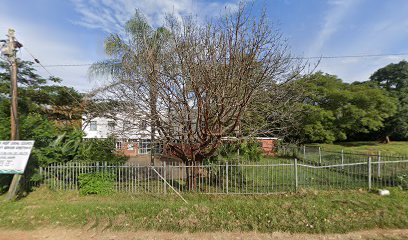
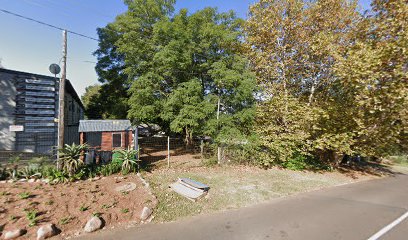
Waterfall Educare- Est 1993 is a Preschool establishment in Durban, KwaZulu-Natal, South Africa
Durban
KwaZulu-Natal
3610
South Africa

Sorry, no records were found. Please adjust your search criteria and try again.
Sorry, unable to load the Maps API.
Preschool services in Durban, KwaZulu-Natal
Preschool provision in Durban, KwaZulu-Natal, sits at the intersection of early childhood development and community needs. These settings typically welcome children from around two to five years old, offering programmes designed to prepare youngsters for formal schooling while supporting social, emotional, and physical growth. The pool of options ranges from small, community-based nurseries to larger, purpose-built centres, each with its own character and approach. Visitors can expect environments that emphasise play as a learning method, with careful attention paid to safety, cleanliness, and staff supervision.
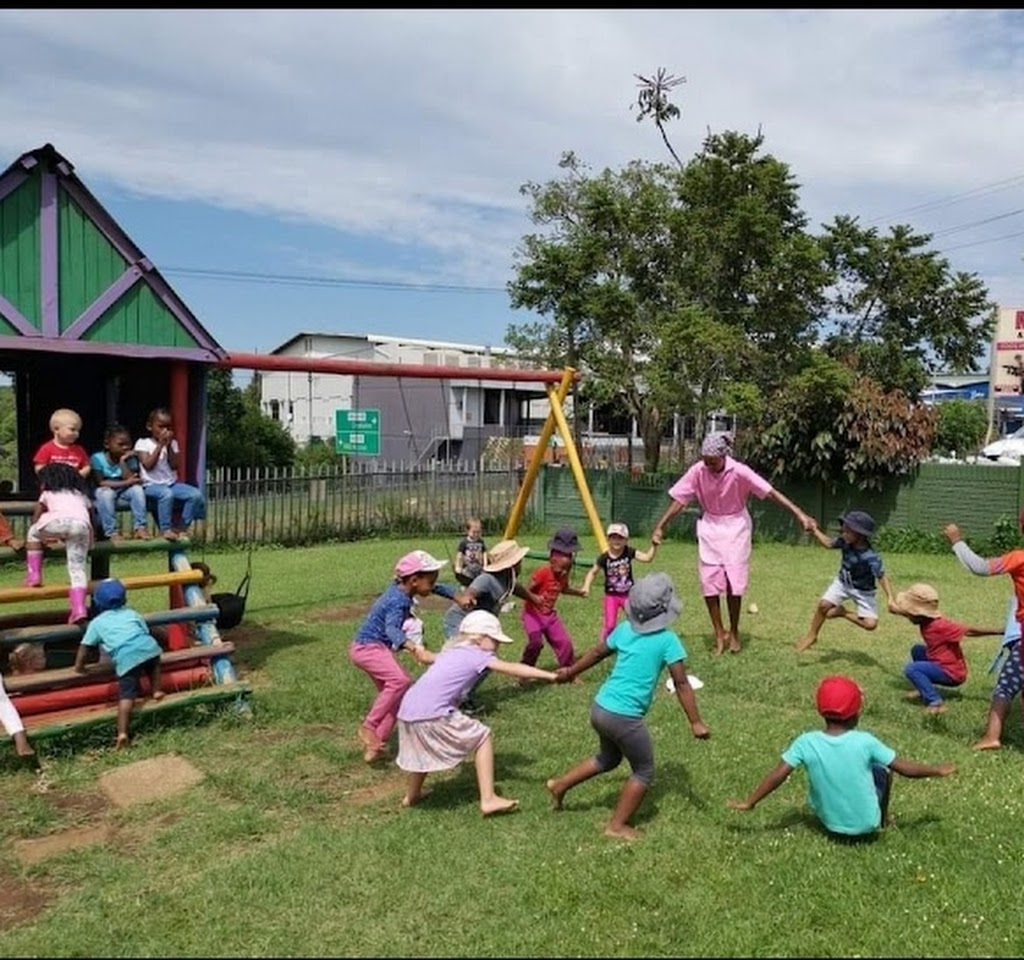
Curriculum and activities commonly featured reflect a balance between guided learning and independent exploration. Morning sessions may begin with free play and a structureled timetable that includes circle time, story telling, early literacy activities, and basic numeracy experiences. Practical life activities, such as cutting with safety scissors, pouring and mixing, and simple arts and crafts, help develop fine motor skills and concentration. Outdoor play is typically integral, incorporating climbing frames, trikes, sand play, and supervised group games that encourage cooperation and turn-taking. Music, movement, and dance are often woven into the daily routine, supporting listening skills and physical development.
Staff qualifications and safety practices are central to the experience. While specific requirements can vary, trained early childhood practitioners and assistants commonly supervise groups of children with appropriate ratios to ensure attentive care. A secure environment is prioritised, with controlled access, fenced outdoor spaces, and regular cleaning routines. Many settings also promote healthy habits by offering nutritious snacks, encouraging handwashing, and teaching basic personal care routines appropriate to the age group.
Families can expect transparent admissions processes, which typically involve an initial viewing or trial period, followed by enrolment discussions and a registration form. Attendance options vary; some preschools operate on a full-day basis with a mid-morning and mid-afternoon break, while others offer half-day programmes. Flexibility may be available for drop-off and collection times, depending on the centre. Communication between home and school is usually encouraged through regular notice boards, diaries, or brief updates on activities and progress.
Practical considerations when selecting a preschool in Durban include location and accessibility, safety features, and the overall atmosphere. Proximity to work or home can reduce daily travel time and stress. Visits to multiple sites help assess classroom layout, outdoor spaces, and age-appropriate resources. It is common to observe how carers interact with children, how conflict is managed, and how activities are structured to accommodate different learning paces. Enquiries about costs should consider not only tuition but any additional charges for meals, transport, or extracurricular activities, with clarity on payment schedules and policies regarding holidays or cancellations.
Parents and guardians are often guided by a focus on inclusive practices, language development, and opportunities for parental involvement. Many Durban preschools celebrate cultural and regional diversity, integrating local customs, language enrichment, and community events into the programme. Access to outdoor space is valued, particularly in Durban’s warm climate, where daily fresh air and movement opportunities contribute to overall well-being.
Overall, preschool services in Durban, KwaZulu-Natal, aim to provide a nurturing, stimulating environment that supports early learning foundations while prioritising safety and family partnership. Prospective families are encouraged to seek visits, ask questions about daily routines, and observe how the setting fosters curiosity, kindness, and early collaboration among peers.