
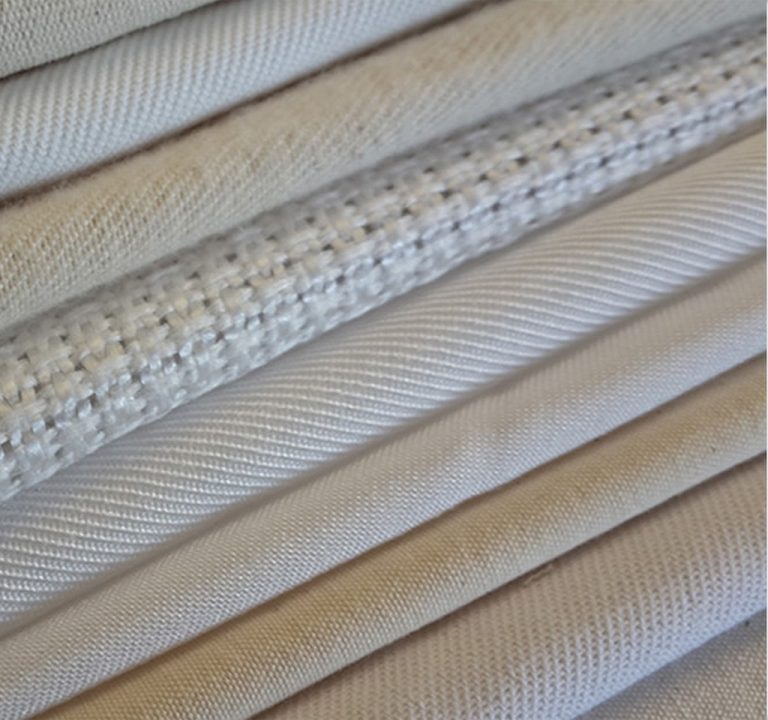
Weave It is a Textile mill establishment in Durban, KwaZulu-Natal, South Africa
Weave It – Textile Mill and Fabric Manufacturer in Durban, KwaZulu‑Natal
Weave It stands as a prominent textile mill and fabric manufacturer in South Africa, with a long‑standing presence since 1990. Although its mailing address and production logistics are discussed in relation to Durban, KwaZulu‑Natal, the business is recognised for delivering a broad spectrum of woven fabrics and related services to both national and international markets. The company emphasises a comprehensive capability—from developing standard fabrics to delivering custom solutions for varied industries—underpinned by more than three decades of manufacturing experience.
At its core, Weave It specialises in industrial and filtration fabrics, complemented by finer, delicate textiles. The product range encompasses materials used across demanding industrial environments as well as more consumer‑facing applications. Filtration fabrics can be utilised to filter liquids, air, dust, oil, and wax, while other selections cover home, art, and lifestyle sectors. The cotton range is notably strong, with 100% cotton and polycotton options highlighted as core offerings. The company also highlights a broad fibre repertoire, including polypropylene, cotton, polycotton, polyester, nylon and acrylic, illustrating versatility across different performance requirements.
The service offer extends beyond fabric production. Inhouse capabilities include calendaring and heat setting, enabling control over fabric finish and performance. Additional processing options include commission twisting, waxing and winding of yarns to client specifications. This integrated approach allows customers to move from concept to finished fabric within a single supplier ecosystem, reducing the need for multiple vendors and facilitating tighter quality control and consistency.
Weave It communicates a strong emphasis on collaboration and custom development. If a desired fabric is not readily available off the shelf, the company can develop a fabric to a client’s specification or mobilise an experienced sourcing team to locate suitable materials. This approach suggests a focus on problem solving and bespoke solutions, suitable for businesses with specialised or niche requirements.
In terms of production capabilities, the firm describes a fully fledged manufacturing process including twisting, warping and weaving departments, plus finishing stages such as calendar finishing and chemical treatments. The weaving equipment is described as comprising both rigid and flexible rapier and Picanol looms, enabling a range of fabric constructions and densities. The finishing department’s role in enhancing fabric properties is underscored by in‑house finishing options, while an inspection department is dedicated to visually checking fabrics for adherence to specifications. These elements collectively point to a tightly controlled manufacturing workflow with attention to quality Assurance at multiple stages.
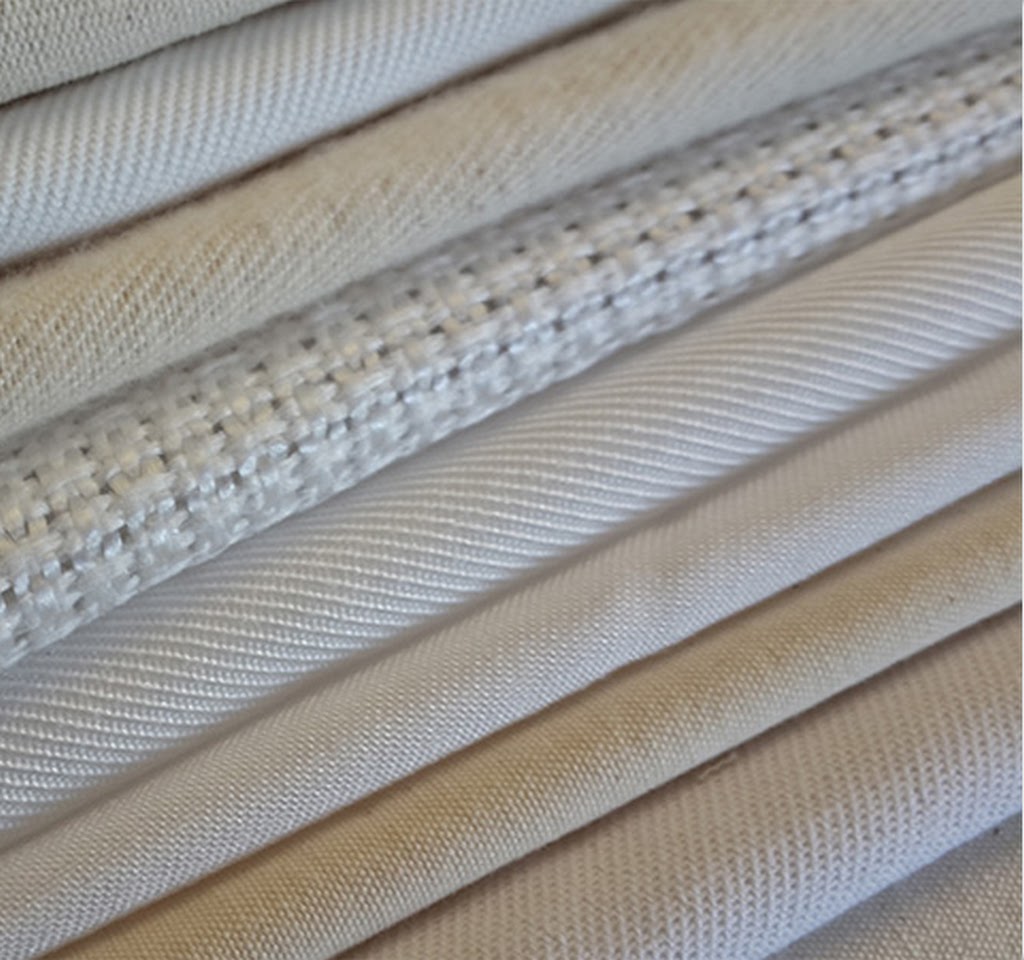
Weave It markets a broad fabric capability spectrum. Weights range from 120gsm to 800gsm, with air permeability options spanning tightly woven filtration fabrics to looser scrim cloths. The company lists several weaves—plain, hopsack, twill, bulldenim, herringbone, sateen, and more—and supports widths from 20 cm up to 254 cm, as well as roll lengths of 50 m, 100 m and 300 m. Such specifications indicate suitability for both technical applications and consumer‑facing products, as well as the ability to tailor roll sizes to project needs.
Industry coverage includes mining and manufacturing sectors, reflecting an emphasis on durable, technically demanding textiles. A dedicated technical consulting function is highlighted, with technical consultants partnering with clients to identify optimal fabric solutions for specific applications. This consultative approach can be valuable for organisations seeking to optimise textile performance, compliance and lifecycle cost.
Operational and commercial terms mentioned by Weave It include minimum order quantities for various product categories: stock items typically require 50–100 metres, non‑stock items 500 metres, and custom developed fabrics 500–1,000 metres. These thresholds provide practical guidance for planning larger sourcing programmes and de‑risking bespoke development projects. The business also notes accessibility, mentioning proximity to national highways and ease of deliveries and customer visits, which is relevant for operational planning and on‑site evaluation.
Customer tips and practical considerations drawn from the information available include the following:
- Clarify fabric requirements early (weight, weave, width, finish) to determine whether standard stock or a custom development is most appropriate.
- Consider the finishing needs (calendar, heat setting, chemical finishes) to ensure the fabric performs as required in mining, industrial or home environments.
- Plan lead times in line with minimum order quantities, particularly for non‑stock and customised fabrics.
- Engage with technical consultants to identify the best material solution and confirm specifications before procurement.
- Factor in roll length options (50 m, 100 m, 300 m) when budgeting and scheduling production runs.
Location and service reach are described as Durban‑based with a South African and international supply footprint, making the operation accessible for local visits and broader distribution. The combination of in‑house finishing, custom development, and a technical advisory framework positions Weave It as a comprehensive partner for organisations seeking reliable woven fabrics and tailored textile solutions.
Durban
KwaZulu-Natal
Hammarsdale, Durban
South Africa
Sorry, no records were found. Please adjust your search criteria and try again.
Sorry, unable to load the Maps API.
Textile mill services in Durban, KwaZulu-Natal
Textile mills in Durban, KwaZulu-Natal operate as a hub for processing and finishing raw fibres into ready-for-use fabrics and related materials. The city’s geographic position near the Indian Ocean and its well-established industrial base contribute to a diverse range of services that support local manufacturers and regional fashion brands. Clients typically encounter mills that offer capabilities across different stages of production, from fibre preparation to final finishing touches.
A common sequence involves fibre preparation, spinning, weaving or knitting, followed by dyeing and finishing. Mills may specialise in particular fabric types, such as cotton, polyester, blends, or more specialised blends suitable for workwear, home textiles, or technical applications. The emphasis in Durban often reflects both established textile traditions and emerging demand for sustainable practices, with attention to efficient water use, waste recovery, and responsible chemical management. However, the specific processes and equipment can vary between facilities depending on capacity, product mix, and target markets.
Quality control is a central component of textile mill operations. Modern mills implement inspection regimes at multiple stages to ensure yarn strength, fabric evenness, colour fastness, and dimensional stability. Lab testing might cover tensile strength, durability, and test methods aligned with local and international standards. While exact testing protocols differ, the overarching goal remains the same: to deliver fabrics that consistently meet customer specifications and regulatory requirements.
Dyeing and colouring services are frequently offered, with options spanning reactive, disperse, sulphur, and pigment processes, subject to fabric type and compatibility. Finishing activities can include washing, sanforising for shrinkage control, calendaring to achieve desired texture and sheen, and chemical finishing aimed at performance attributes such as crease resistance or water repellency. In Durban, environmental considerations are increasingly integrated into finishing workflows, with attention to effluent treatment and waste minimisation.
Manufacturing services may also extend to sample development and small-batch production for designers and labels testing new fabrics or patterns. Large-scale mills frequently provide bulk-production capabilities, while smaller facilities may focus on shorter runs, custom orders, or niche fabrics. This variety enables local businesses to explore different price points, lead times, and degree of customisation.
Practical considerations for clients include lead times, minimum order quantities, and the availability of on-site support such as colour matching, technical advice on fabric performance, and documentation for compliance. Dependency on reliable supply chains is a common factor, given the regional logistics network centred around Durban’s port and surrounding distribution routes. Mills can coordinate with freight forwarders and distributors to streamline delivery to domestic customers or export markets.
Customers can expect clear communication regarding fabric specifications, production timelines, and any limitations related to fibre content or finishing methods. Health and safety, environmental stewardship, and regulatory compliance are practical concerns that influence how mills operate, particularly where chemical handling, wastewater treatment, and energy use are involved. Clients are advised to discuss material certifications, sustainability practices, and any potential certifications that may be relevant to their end products.
Overall, textile mill services in Durban provide a broad spectrum of production and finishing capabilities tailored to the needs of local manufacturers and emerging brands. The combination of established industry ecosystems, port access, and a willingness to accommodate varied fabric types supports a flexible and responsive local textile sector.

