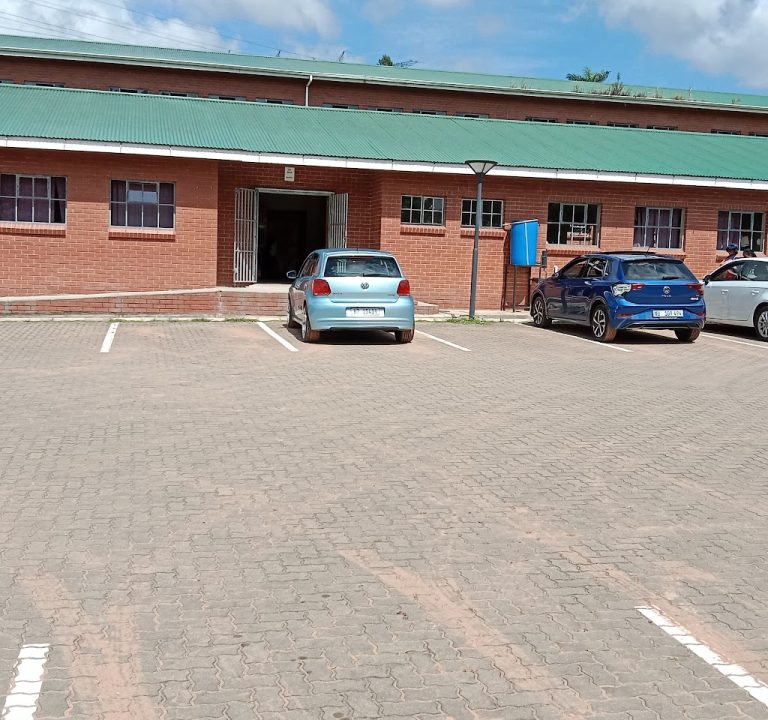
Westmead High School is a Higher secondary school establishment in Pinetown, KwaZulu-Natal, South Africa
Pinetown
KwaZulu-Natal
3600
South Africa
Sorry, no records were found. Please adjust your search criteria and try again.
Sorry, unable to load the Maps API.
Higher Secondary School Services in Pinetown, KwaZulu-Natal
Higher secondary schools in Pinetown, KwaZulu-Natal, focus on preparing learners for the National Senior Certificate through a structured framework that blends academic rigour with pastoral support. The typical offering encompasses a broad range of subjects, well-organised timetables, and opportunities for personal growth, guided by a commitment to developing exam readiness alongside essential life skills. The environment often emphasises a balance between classroom learning, practical work, and extracurricular participation, ensuring that students can engage with their interests while meeting national curriculum requirements.
Education at this level generally covers Grades 10 to 12 (the FET phase), with learners selecting a combination of subjects aligned to university entrance, vocational aspirations, or employment pathways. Core qualifications commonly include languages, mathematics or mathematical literacy, sciences, social sciences, and electives. Schools aim to provide both foundational instruction and enrichment activities, which may include additional support for learners who require intervention or challenge for advanced study. Language offerings frequently include English and an additional home language, reflecting KwaZulu-Natal’s bilingual context.
Practical considerations for prospective pupils and families include the following regular service components:
- Curriculum delivery and assessment: Teaching is organised into clear schemes of work, subject timetables, and continuous assessment. Regular tests, quizzes, and formal examinations are used to monitor progress, with end-of-year examinations forming the basis for the NSC outcome.
- Exam preparation and progression support: Matric candidates typically receive targeted assistance, including study-skills guidance, revision sessions, and mock examinations to familiarise learners with exam formats and time management.
- Guidance and counselling: Career guidance and personal support are available to help learners explore higher education options, apprenticeship routes, and bursary opportunities. This aspect is designed to support decision-making during the final school years.
- Extracurricular and enrichment activities: A range of sports, arts, cultural clubs, and leadership programmes are commonly offered to broaden experiences beyond the classroom and to foster teamwork, discipline, and resilience.
- Language and inclusive education: Support is often provided to cater for diverse language backgrounds and learning needs, with additional help sessions or adapted materials as appropriate.
- Pastoral care and safety: Codes of conduct, behavioural expectations, and welfare assistance contribute to a stable learning environment. Access to guidance on transport options and safe travel practices is typically highlighted for students commuting from surrounding areas.
- Parental and community engagement: Information evenings, newsletters, and reporting mechanisms enable families to stay informed about academic progress, school events, and appointment scheduling with teachers or administrators.
From a logistical standpoint, families should consider practicalities such as school hours, transportation arrangements, and uniform requirements. Fees and funding options may vary between institutions, with some schools offering scholarships or bursaries targeted at students demonstrating potential or need. While specifics differ from one school to another, the overall model remains focused on delivering a comprehensive educational programme that equips learners for national examinations, further study, and productive participation in the local economy.
In the Pinetown setting, higher secondary schooling often emphasises community links and local context, ensuring relevance to learners’ lives and future opportunities within KwaZulu-Natal and beyond. Prospective students are advised to review individual schools’ prospectus for exact subject combinations, admission criteria, and timetables while considering the broader advantages of a well-supported transition into the matric phase.