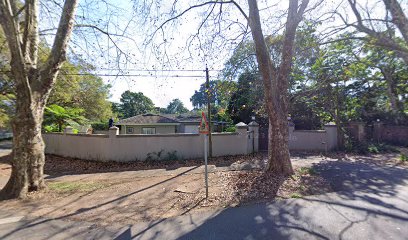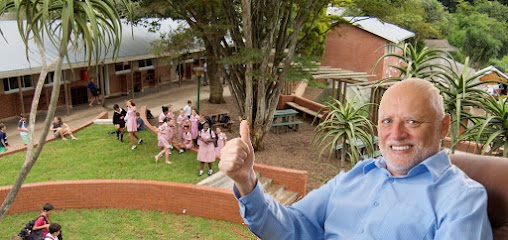
Winston Park Primary School is a Primary school establishment in Durban, KwaZulu-Natal, South Africa
Winston Park Primary School – Primary school in Durban, KwaZulu-Natal, South Africa
Winston Park Primary School presents itself as more than just an educational institution; it is described as a nurturing family environment that aims to guide pupils to reach their full potential and discover their own purpose. Located in the KwaZulu-Natal region, the school emphasises a holistic approach to development, combining academic achievement with character, wellbeing, and community involvement. The school’s core philosophy reflects a focus on caring relationships, personal growth, and learning that extends beyond the classroom.
From the information available, the main services and offerings fall into several distinct areas: formal academics across the early years through to senior primary, an on-site support and wellbeing centre, a broad sport and cultural programme, and a community-oriented trust that supports access and opportunities for pupils. The emphasis across these elements is on creating a secure, encouraging environment where children can thrive both academically and socially.
Academics are structured to accommodate different year groups with a progression from Grade R through to Grade 7. In Grade R, the curriculum emphasises socialisation, language development, foundational numeracy, and early exposure to computer skills and additional languages (Afrikaans and isiZulu). The Junior Primary (Grades 1–3) focuses on core subjects such as English, Afrikaans, isiZulu, Mathematics, Natural Science, History and Geography, with the introduction of homework and day excursions to broaden learning experiences. The Senior Primary (Grades 4–7) introduces specialist teaching in various subjects and additional topics such as art, drama, computer studies and life skills, alongside regular core subjects. In all, the timetable and delivery aim to balance academic rigour with practical, real-world understanding.
Significant emphasis is placed on learner support through the LEAF Centre (Learning Empowering Facilitating). This on-site facility offers one-to-one or targeted assistance, including remedial therapy for reading, writing and maths; occupational therapy to address motor and sensory processing challenges; speech therapy with assessment and individualised programmes; and counselling with access to clinical and counselling psychologists. The LEAF team collaborates with teachers to optimise progress and provides a channel for parents to engage with specialists via the school administration.
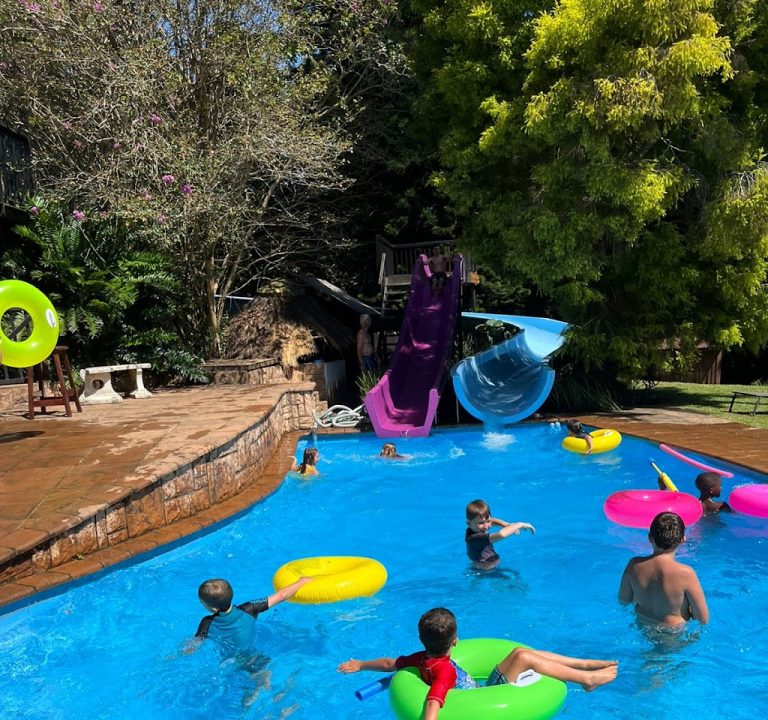
Sports and culture form a prominent part of Winston Park’s “learning beyond the classroom” ethos. The sport programme covers swimming, athletics, cricket, cross country, badminton, hockey, rugby (including junior non-contact variants), tennis, netball, soccer, mountain biking, and chess, with both internal coaching and external expert input as needed. A strong inter-school tradition is noted, along with house organisations established in the 1980s, underscoring long-standing community engagement and a sense of belonging among pupils.
The cultural side of the curriculum includes culture club activities, drama, leadership programmes, and environmental or creative clubs, complemented by private tuition options for those seeking additional instruction in dancing, drama, music, languages, or sport. The school also maintains a focus on character development and community involvement through its values and trust initiatives.
Family and community are repeatedly foregrounded in the site’s content. The WPPS Trust is highlighted as a key beneficiary and supporter of programmes that help sponsor less fortunate children and expand facilities. The Trust also supports outreach within the local community and provides a platform for mentoring through internship partnerships. The school outlines a clear structure of administration, with a diverse team including principals, deputy principals, and departmental heads across grade bands, plus specialists in IT, library, music, and sport. LEAF Centre staff and external therapists are listed alongside internal coordinators, indicating a well-moughted support network for learners with diverse needs.
Typical hours, where stated, reflect the school day’s rhythm: Grade R and Junior Primary commonly operate from 07:30 to 12:30 (Monday to Thursday) with a slightly shorter Friday schedule, while Senior Primary has longer days, finishing around 14:00 on weekdays and a shorter Friday. These patterns suggest a structured, school-focused daily routine that accommodates both core academic time and enrichment activities.
Practical tips for prospective families include recognising the importance of the LEAF Centre for learners who may benefit from targeted support, and noting the wide sport and culture offering as a means to bolster social skills, teamwork and physical wellbeing. For administrative matters, the admissions contact is available by telephone and email, and newsletters provide ongoing insight into school life and developments. The school serves families in and around Durban and the KwaZulu-Natal region, offering a broad, community-oriented educational experience with an emphasis on nurturing individual potential.
- Main services: academics across Grade R–Grade 7, LEAF support (remedial, occupational, speech therapy, counselling), extensive sport and culture programmes, private tuition options.
- Typical activities: classroom learning, specialist subjects, daily routines aligning with grade level, extracurricular clubs, and outdoor/athletic activities.
- How requests usually work: use the provided contact channels for admissions and LEAF services; appointments with therapists are arranged via the school, with some therapists operating on site and others within the school’s wider network.
- Practical tips: consider LEAF support if additional help is needed; explore sport and culture offerings to support holistic development; review newsletters and the Code of Conduct for expectations and community standards.
Durban
KwaZulu-Natal
3610
South Africa
Sorry, no records were found. Please adjust your search criteria and try again.
Sorry, unable to load the Maps API.
Primary school services in Durban, KwaZulu-Natal
In Durban, KwaZulu-Natal, primary education encompasses the foundational years from Grade R (reception) through to Grade 7. Schools in this coastal region commonly deliver a holistic mix of academic instruction, personal development and practical life-skills programmes designed to support learners as they transition from early childhood into adolescence. The emphasis is often on creating a secure, structured environment where children can develop literacy, numeracy and social competencies within a culturally diverse urban and peri-urban setting.
Curriculum delivery in primary schools typically follows the national framework established for South Africa, with emphasis on language development, mathematics, science, social studies and the arts. English frequently serves as the medium of instruction, while isiZulu or Afrikaans and other local languages may be offered as additional language subjects. The curriculum aims to foster critical thinking, creativity and problem-solving, alongside foundational numeracy and literacy skills. Teachers also integrate physical education, personal and social well-being, and the use of information and communication technologies where facilities permit.
Beyond core academics, Durban primary schools commonly provide a range of additional services to support families and learners. These may include after-school care and extracurricular activities, nutrition programmes or school meals, and access to school libraries, computer laboratories and science resources. Health and safety considerations are a key priority, with clear supervision during school hours and routines to manage transport, drop-off and collection safely. Some schools offer counselling or pastoral care to assist learners with emotional well-being and transition between grades.
Support for learners who require additional assistance is typically available through an inclusive education approach. This can involve learning support units, targeted interventions in reading or numeracy, and input from specialised staff such as counsellors, speech and language therapists or occupational therapists where available. The aim is to identify and address learning barriers promptly while maintaining an inclusive classroom environment that supports all pupils.
Families choosing a Durban primary school may consider practical factors such as location and access, transport arrangements, and school timings. Many schools operate a morning start between around 07:30 and 08:00, with the school day continuing into the early afternoon. After-school options, including supervised activities and clubs, may extend the day for working parents. Uniform policies, stationery lists, and fees or levies are common considerations, along with the school’s stance on discipline, safety policies and visitor procedures.
Engagement with the local community is another feature of Durban’s primary schools. Some institutions encourage parent-teacher collaboration through regular meetings, newsletters and volunteer opportunities. Cultural and sporting events, community outreach projects, and local partnerships may enhance the learner experience and provide broader social context for classroom learning. In Durban’s diverse environment, schools often celebrate a range of cultural activities and multilingual communication, reflecting the broader KwaZulu-Natal spectrum.
In summary, primary school services in Durban, KwaZulu-Natal, are designed to support early academic achievement while nurturing personal growth and resilience. Prospective families can expect a focus on solid literacy and numeracy foundations, access to additional learning supports, and a structure that balances academic rigour with physical activity, creativity and well-being. When exploring options, consideration of location, transport, facilities, and the school’s approach to inclusive education and community involvement can help identify a suitable environment for a child’s continual development through these formative years.