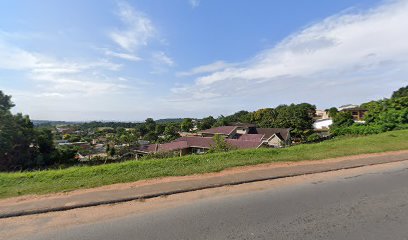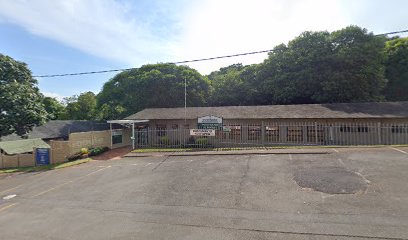
Woodhaven Pre-Primary School is a Primary school establishment in Durban, KwaZulu-Natal, South Africa
Woodhaven Pre-Primary School – Overview and Visitor Insight
Woodhaven Pre-Primary School (WPP) sits in Durban, KwaZulu-Natal as a long-established early education centre that has operated since 1979. The school presents itself as a place with a storied heritage, emphasising traditional values alongside contemporary learning goals. Registration with the Department of Education and Culture is noted, underscoring formal oversight and compliance within the South African education system. This combination of history and regulation frames Woodhaven as a stable environment for young learners during their foundational years.
From an external perspective, the school emphasises a supportive community where learners and parents are encouraged to feel valued and to recognise their meaningful roles within the school and the wider country. A recurring theme in the available material is the emphasis on belonging, mutual respect, and personalised attention to each child’s development. This aligns with a broader aim of nurturing self-belief in pupils while fostering a sense of responsibility to participate in the school community and, more broadly, to contribute to society.
The mission statement highlights two core strands: first, delivering well-founded, quality education that attends to the individual needs of each child; and second, providing parents with thorough guidance about the child’s total development. In practice, this signals an approach that seeks to balance academics, social growth, and family engagement, with an emphasis on transparent communication and holistic learning outcomes. The vision extends this commitment, aiming to inspire future leaders who can benefit from a diverse range of experiences and opportunities to reach their full potential.
Operational governance at Woodhaven is described as professional and inclusive, combining the expertise of school staff with the input of a parent-elected governing body. This structure suggests avenues for parental involvement in governance and decision-making, which can contribute to a stable school culture and responsive policies. The emphasis on tradition alongside ongoing development presents Woodhaven as a milieu where established routines coexist with opportunities for growth and innovation in early childhood education.
In terms of the visitor experience, the available information signals a school that prioritises a supportive, values-driven environment. Although specific details about day-to-day activities, curriculum highlights, or specialised programmes are not disclosed in the accessible content, the stated emphasis on individualised attention and total development implies a programme designed to address varied learning styles and social development milestones typical of pre-primary education. The school’s heritage and community focus may appeal to families seeking continuity, a sense of belonging, and clear expectations around personal growth and responsible citizenship.
For prospective families exploring Woodhaven, practical considerations can be guided by the site’s outline of administrative resources. A dedicated page on Admissions and Fees is available, suggesting a structured process for enrolment and financial planning. Engaging with that resource could provide detailed information on entry points, fees, and any accompanying requirements, even though these specifics are not reproduced within the summary itself.
Typical service areas and activities implied by the school’s profile include early childhood education with an emphasis on academic foundations, social and emotional development, and parental engagement. While the exact curriculum, the range of facilities, or support services are not itemised in the public-facing materials, the emphasis on individual development and a comprehensive learning environment indicates a holistic approach to pre-primary education that aligns with common expectations for schools in this category and region.
Location and community served: Woodhaven operates in Durban, KwaZulu-Natal, and is likely to attract families within the surrounding area seeking an established pre-primary setting with a community-focused ethos. The school’s long-standing presence (founded in 1979) may be viewed favourably by families prioritising stability, tradition, and a governance framework that includes parent participation.
Practical tips for visitors or prospective parents include reviewing the Admissions and Fees information to understand the intake process, documentation required, and the financial commitments involved. When planning visits, it may be helpful to observe how staff interact with learners, assess the learning environment for safety and stimulation, and inquire about transition support for new pupils. Given the absence of explicit hours in the public content, consulting the school’s official admissions page or contacting the school through established channels will provide the most reliable guidance on term dates, opening hours, and available tours.
Overall, Woodhaven Pre-Primary School presents as a longstanding, community-oriented institution dedicated to high-quality early education, with a governance model that foregrounds parental involvement and a mission centred on individual development and family engagement. For families prioritising continuity, tradition, and a collaborative approach to a child’s growth, Woodhaven offers a recognised option within Durban’s early education landscape.
Durban
KwaZulu-Natal
4004
South Africa
Sorry, no records were found. Please adjust your search criteria and try again.
Sorry, unable to load the Maps API.
Primary school services in Durban, KwaZulu-Natal
Primary schools in Durban, KwaZulu-Natal, provide a broad range of educational and associated services designed to support pupils in the foundational years of schooling. The offerings commonly span core academic instruction, practical life skills, and a framework that encourages social development, physical activity, and personal growth within a community atmosphere.
Curriculum and academic support
Primary schools typically deliver a structured curriculum aligned with national or provincial guidelines, incorporating key subjects such as literacy, numeracy, science, social studies, and creative arts. Teachers aim to build solid literacy and numeracy foundations while introducing pupils to enquiry-based learning and problem-solving. In many schools, differentiation is employed to accommodate varying learning paces and styles, with extra support available for learners who require additional help or enrichment for advanced students. Assessment tends to be ongoing, using a mix of formative and, where appropriate, summative evaluations to monitor progress and guide instructional planning.
Language and cultural considerations
Durban's diverse setting often informs language policy and instruction. Schools may offer instruction in multiple languages, commonly including English and isiZulu, with additional language support where needed. Cultural awareness and inclusivity are typically emphasised through classroom activities, assemblies, and special programmes that reflect the region’s heritage and contemporary realities.
Pastoral and wellbeing services
Beyond academics, primary schools in Durban frequently provide welfare and wellbeing services aimed at promoting a safe and constructive school experience. This includes access to school counsellors or designated wellbeing staff, programmes on emotional literacy, resilience, and social skills, as well as anti-bullying initiatives. Parents are often encouraged to engage with these services through structured channels such as meetings, workshops, and printed or online communications.
Extracurricular and enrichment opportunities
A notable aspect of Durban primary education is the emphasis on enrichment activities. Schools commonly offer programmes in sport, music, drama, arts and crafts, and external clubs that foster teamwork, discipline, and creativity. Participation in physical education is standard, with facilities and coaching to support a range of activities from cricket and rugby to athletics and swimming where appropriate. Enrichment may extend to science clubs, environmental projects, and community service initiatives, all designed to complement the core curriculum.
School environment and facilities
The physical environment plays a central role in Durban primary schools. Classrooms are typically designed to nurture collaborative learning while providing access to age-appropriate resources. Laboratories, libraries, computer rooms, and outdoor spaces like playgrounds and sports fields contribute to a comprehensive educational experience. Safety and security are common considerations, with procedures to manage drop-off and pick-up, visitor protocols, and supervision during breaks.
Practical considerations for families
Prospective families often weigh logistics such as school catchment areas, transport options, and aftercare arrangements. Many Durban schools offer structured aftercare or partner with community services to provide supervised activities beyond school hours. Communication tends to be regular and multi-channel, including notice boards, newsletters, parent-teacher meetings, and online portals where appropriate. Uniform policies, school calendars, and term dates are standard details that expectant families will want to understand early in the decision-making process.
How primary school services operate in practice
Typically, the school day commences with a morning briefing, followed by a timetable that cycles through lessons, break times, and planned instructional blocks. Teachers deliver subject instruction, guided practise, and independent work, with classroom assistants or specialist teachers supporting particular areas such as arts, physical education, or languages. At key points during the year, formal assessments provide feedback to pupils and parents, while ongoing observations inform instructional adjustments. Parental involvement is encouraged through events, volunteer opportunities, and regular updates on student progress and school activities.
In sum, Durban’s primary schools strive to deliver a holistic education that balances academic rigour with personal development, community engagement, and practical support for families navigating the early years of schooling in KwaZulu-Natal.