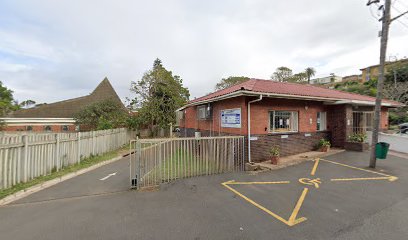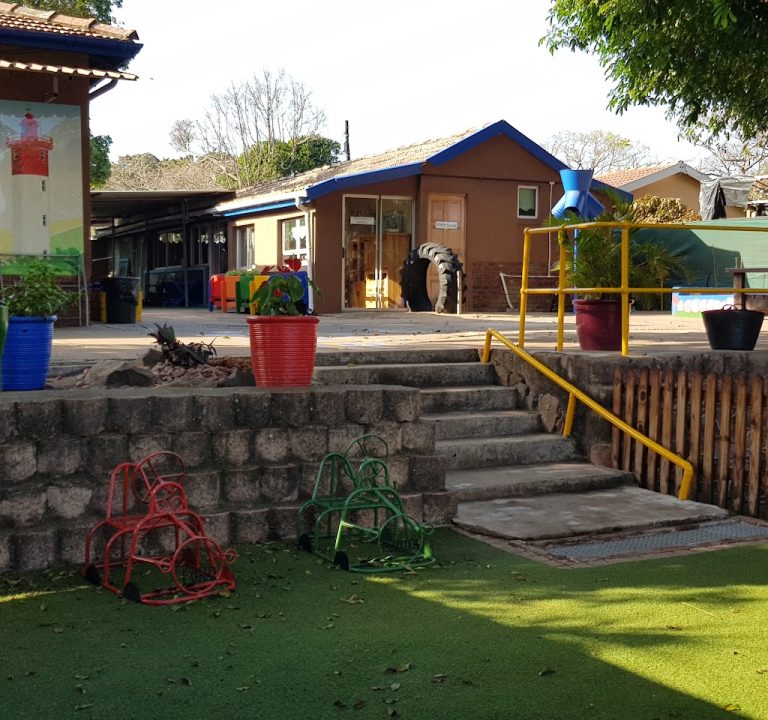
Yellow Brick Road is a Nursery school establishment in Amanzimtoti, Kwa-Zulu Natal, South Africa
Yellow Brick Road Pre Primary School – Amanzimzoti (Kwa-Zulu Natal) – Services and Customer Experience
Yellow Brick Road Pre Primary School sits in the Warner Beach area of Amanzimtoti, Kwa-Zulu Natal, presenting itself as a nurturing early education environment that blends formal learning with play. The school presents its philosophy as a “home away from home” where a balance between structured curriculum and joyful discovery is central to the daily routine. With more than 18 years of experience, the institution positions itself as a trusted option on the KwaZulu-Natal South Coast for families seeking a caring setting for their youngest learners.
Educational approach and atmosphere are highlighted as core strengths. The school emphasises both formal learning and learning through play, aiming to foster a sense of security, happiness, and community for children and their families. This combination is presented as foundational to helping young learners feel confident and prepared for the transition to later schooling. The environment is described as inclusive and parent-friendly, with a focus on guiding children through early education with sensitivity to individual development.
The daily programme is described through a series of practical offerings and experiences designed to engage young minds. Notable features include wholesome lunches and snacks provided on-site, and a curriculum that incorporates Zulu, Afrikaans, and music lessons. The blend of language and music is positioned as part of a holistic early years experience, alongside opportunities for social and emotional development. Additional activities are framed around celebrations and performances, such as graduations, concerts, shows, and festive events, which contribute to a warm, community-oriented atmosphere.
Community and family engagement are emphasised as distinguishing aspects of the service. The school promotes a warm sense of community and meaningful connections with parents in what is described as a nurturing environment for both children and their families. Extra-mural activities are mentioned as part of the offering, suggesting a broader programme beyond core academic activities. The testimonials referenced on the site (from parents describing positive experiences) reinforce the impression of lasting partnerships between the school and families, with a focus on preparing children for ongoing schooling and personal development.
Accessibility and administration are framed through a straightforward application process. The site mentions a three-step process to apply, emphasising ease and efficiency in gaining enrolment. While the exact steps are not detailed in the available content, the process is presented as simple and clear, designed to streamline the transition for busy families.
The location and service area are clearly linked to Warner Beach and the greater Amanzimtoti region. The address provided is 30 Harcombe Road, Warner Beach, Amanzimtoti 4126, with contact channels including a telephone option and an email address for inquiries. The hours of operation are stated as 7:00 to 17:00, Monday to Friday, offering a substantial window for drop-off, pick-up, and parental coordination around daily routines.
Typical experiences for prospective families would involve a visit to explore the environment, speak with staff about the curriculum and support services, and review the application steps. The communications emphasise safety, security, and happiness as foundational values, together with a warm community ethos that aims to reassure parents about their child’s early educational journey.
- Main services offered: a combined programme of formal learning with play-based activities; wholesome meals; language and music instruction; extra-murricular activities; celebrations and performances; a nurturing, community-focused environment.
- Typical activities and experiences: structured early years curriculum, music and language lessons, social development opportunities, and regular school events such as graduations and concerts.
- How requests usually work: families express interest via the website and initiate a three-step application process intended to connect with the school and begin enrolment; initial inquiries can be directed through the listed contact details.
Practical tips for potential customers include planning a mid-morning or afternoon visit during opening hours (7:00–17:00, Monday to Friday) to observe the environment, speak with carers and teachers about the day-to-day routine, and discuss any special requirements or language needs. It is advisable to enquire about meal provisions and any dietary considerations, given the on-site catering and the emphasis on wholesome lunches. Prospective families may also want to inquire about the timing and structure of early years transitions (for example, movements to Grade R) as part of long-term planning.
Overall, Yellow Brick Road Pre Primary School presents itself as an experienced, family-oriented option within the Amanzimtoti area, combining dedicated teaching with a supportive community atmosphere and a robust range of enrichment activities designed to foster early confidence, kindness, and foundational educational skills.
Amanzimtoti
Kwa-Zulu Natal
4126
South Africa


Sorry, no records were found. Please adjust your search criteria and try again.
Sorry, unable to load the Maps API.
Nursery School Services in Amanzimtoti, Kwa-Zulu Natal
Nursery schooling in Amanzimtoti, Kwa-Zulu Natal, typically caters to preschool-aged children, offering a structured yet flexible environment that supports early development across cognitive, physical, social and emotional domains. Providers in this coastal sub-region often emphasise play-based learning, safe spaces for exploration, and routines that help little ones adjust to a school setting. The setting may range from small, community-friendly centres to larger early-years facilities, each with its own character while sharing common aims: gentle transition into formal schooling, foundational numeracy and literacy readiness, and opportunities for creative expression.
Day-to-day programmes usually balance organised activities with free play, allowing children to develop concentration, motor skills and social competencies. Activities commonly include storytelling, music and movement, arts and crafts, water and sand play, and nature-inspired exploration. Support for language development is frequent, particularly for children who are learning in English or isiZulu as additional language speakers. In the Amanzimtoti region, outdoor spaces and safe courtyards are often highly valued, given the climate and access to beaches and parks nearby; many nurseries incorporate outdoor play into the daily schedule to promote physical wellbeing and resilience.
Curriculum frameworks are typically designed around age bands, with infants, toddlers and pre‑schoolers receiving age-appropriate stimulation. Early numeracy and literacy concepts are introduced through interactive games, story time and guided activities, while social-emotional learning focuses on sharing, turn-taking and friendly communication. Basic science and nature experiences may involve observing plants, weather patterns or local fauna, connecting children with their surroundings in a relaxed, age-appropriate manner. Assessment in nurseries is generally informal, aimed at understanding each child’s progression rather than providing formal grading.
Practical considerations play an important part in choosing a nursery. Parents and guardians often assess security measures, including gated entrances, visitor procedures, and staff-to-child ratios, to ensure a safe environment. Facilities frequently feature dedicated playrooms, nap areas for younger children, child-friendly toilets, and easy-to-clean surfaces suitable for busy mornings. Nutrition and meals or snacks are commonly provided or coordinated with families, with attention paid to age-appropriate portion sizes, allergies and cultural dietary preferences. Daily routines typically include rest or quiet time, with clear expectations around drop-off and collection to support predictable transitions for children.
Transport arrangements vary across Amanzimtoti, with some nurseries offering school-run pickups or drop-offs within a defined area, while others expect families to manage transport independently. Availability of aftercare or wraparound care is another practical consideration, particularly for working parents, and may influence the choice of nursery. Communication between nurseries and families tends to be frequent and proactive, through meetings, newsletters, notice boards and informal updates, helping parents stay informed about learning themes, upcoming events and developmental milestones.
For families considering nursery services in Amanzimtoti, Kwa-Zulu Natal, it is advisable to visit a few options to observe morning routines, interactions between staff and children, and the overall atmosphere. Inquiries about staff qualifications, continuity of teaching teams, and policies on safeguarding, illness, and temporary closures provide useful context. While specific curricula and branding differ, the overarching aim remains to foster a secure, stimulating early learning environment where young children can develop confidence and curiosity as they prepare for the transition to more formal schooling.
Overall, nursery schools in Amanzimtoti tend to emphasise a nurturing approach, consistent routines, and supportive environments that accommodate the needs of young children and their families within the South African context.