South African External Counterpulsation Dr Mohanlall & Partners is a Medical Center establishment in Durban, KwaZulu-Natal, South Africa
South African External Counterpulsation – Dr Mohanlall & Partners, Durban
South African External Counterpulsation (ECP) operates as a non‑invasive, non‑surgical outpatient treatment platform focused on improving blood flow for patients affected by coronary artery disease and heart failure. The service is delivered through advanced computer and digital electronic control, reflecting a clinical approach that aims to enhance circulation throughout the body. By improving perfusion to vital organs such as the heart, brain and kidneys, the programme is described as capable of reducing angina and supporting an active lifestyle for many patients after a course of treatment.
The practice is represented as one of the more advanced ECP clinics in South Africa, emphasising a scientific basis for the therapy and its use within contemporary cardiovascular management. Information on the website highlights the therapeutic potential of ECP for ischaemic disorders, with clinical discussions and literature referenced to support its application. The provision appears organised around outpatient sessions rather than inpatient care, aligning with the treatment’s non‑surgical character.
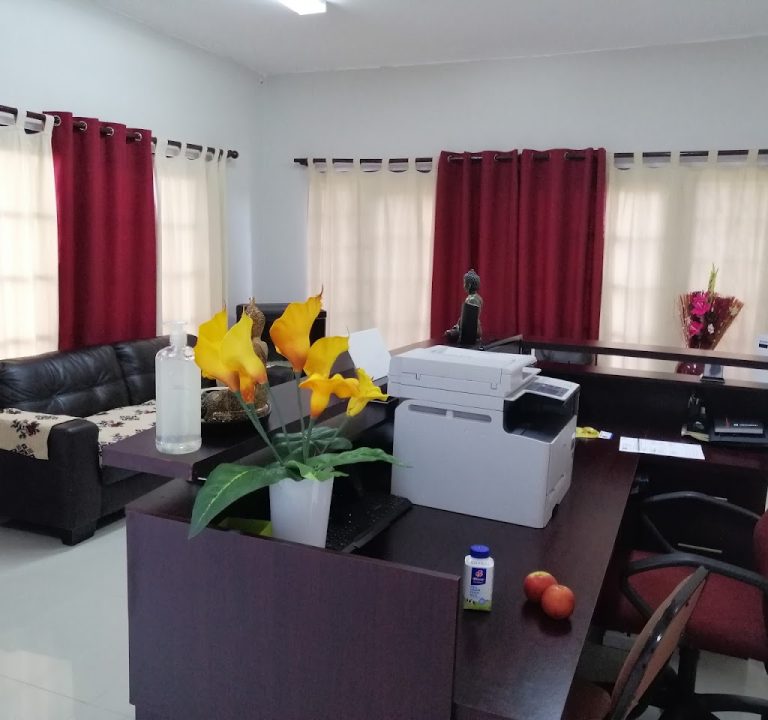
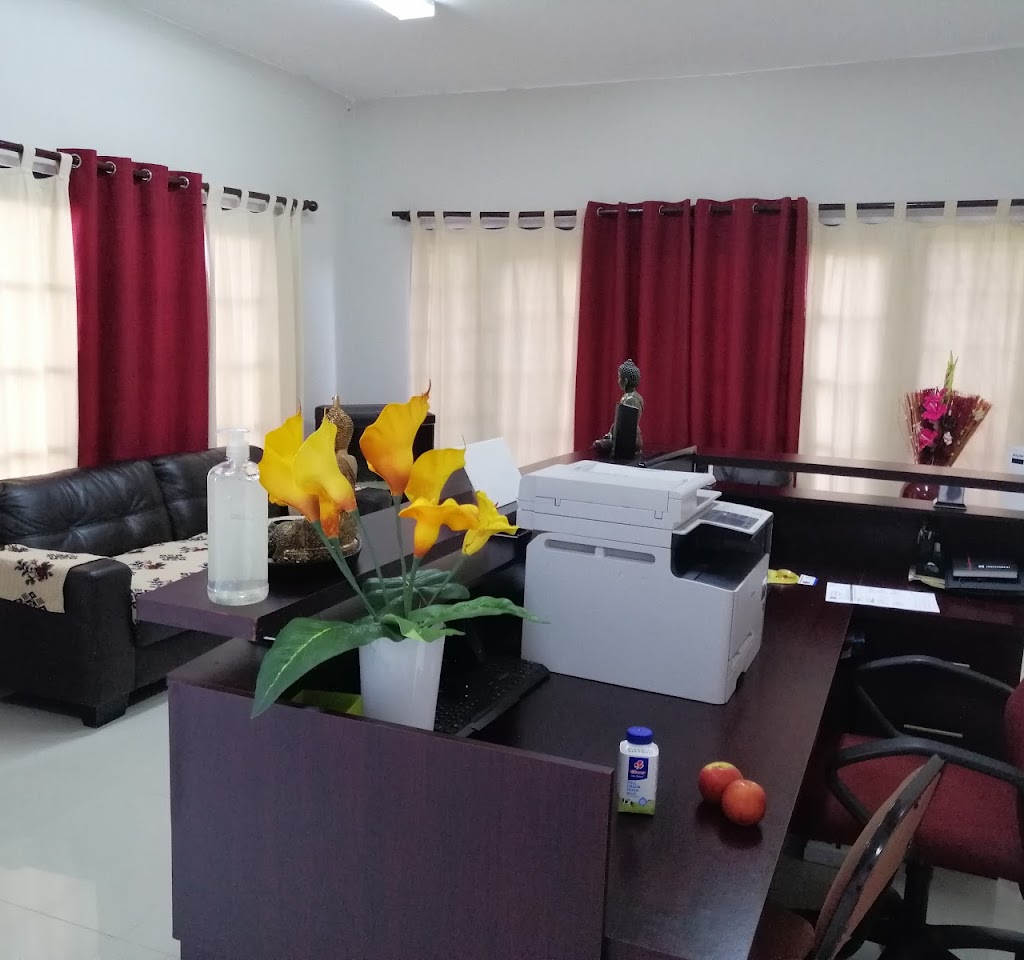
Dr Mohanlall & Partners offer access to ECP within a dedicated clinical setting located in Durban North. The stated address places the practice within a convenient urban area, described as a service environment designed to be welcoming for patients undergoing treatment. The site also lists a range of materials intended to educate visitors, including articles, FAQs, and patient testimonials, underscoring an emphasis on informed consent and shared decision making as part of the patient experience.
In terms of content scope, the clinic’s online materials discuss the core patient group and therapeutic objectives. ECP is presented as a treatment that requires computer‑guided delivery and monitoring, reflecting a structured protocol rather than a purely observational service. The material also references endorsements and publications, suggesting an effort to situate the practice within broader clinical discourse and ongoing evidence gathering.
Typical engagement with the service, as described on the site, involves an initial information baseline through FAQs and educational resources, followed by access to ECP sessions if deemed appropriate. The site points to a patient‑centric information flow, including case studies and testimonials designed to inform prospective patients about potential outcomes and experiences. This approach indicates a process that values transparency and the sharing of real‑world results.
Visitors are invited to view video testimonials and read letters from patients and professional bodies linked on the site. While specific treatment plans, pricing, or timeframes are not detailed in the available material, the emphasis remains on outpatient care and non‑invasive therapy, which implies a structured scheduling pattern typical of clinical outpatient services.
Location and area served are clearly stated, situating the practice in Durban North at 15 Gleneagles Drive, within a community setting that supports a comfortable patient experience. Although precise hours of operation are not published in the available content, the service is framed as outpatient care, suggesting daytime appointments aligned with clinic hours. Prospective patients or visitors may benefit from consulting the site’s FAQs or contact pages to confirm current hours and availability.
From a customer experience perspective, the clinic presents information in a way that emphasises patient education, accessibility of information, and a documented lineage of professional practice. The inclusion of video content and testimonials adds a qualitative dimension to the service description, offering prospective patients an additional lens through which to evaluate the treatment and its potential impact on daily living.
Practical tips for potential users include reviewing the clinic’s educational resources before initiating contact, examining the indications and contraindications for ECP, and exploring the published materials and endorsements linked on the site to gauge alignment with personal health goals. Patients may also benefit from reviewing the letters and testimonials provided to understand real‑world experiences and outcomes associated with ECP.
In summary, South African External Counterpulsation at Dr Mohanlall & Partners presents a specialised outpatient service focused on non‑invasive heart‑based therapy. The practice positions itself as a leading, research‑aware clinic within the Durban area, offering educational content, patient testimonials, and a clear emphasis on improving systemic blood flow to support improved quality of life for those with ischaemic cardiovascular conditions.
Durban
KwaZulu-Natal
4051
South Africa
Sorry, no records were found. Please adjust your search criteria and try again.
Sorry, unable to load the Maps API.
Medical Centre Services in Durban, KwaZulu-Natal
Durban, a coastal city in KwaZulu-Natal, offers a range of medical centre services that cater to both routine healthcare needs and more specialised medical consultations. These facilities are typically designed to provide convenient access to primary care, preventive services, diagnostic testing, and integrated treatment pathways for patients in the region. The surrounding communities frequently rely on medical centres for timely advice, referrals, and continuity of care within the local health system.
Primary care is a core component of many medical centres in Durban. General practitioners (GPs) and family physicians deliver preventive care, routine check-ups, chronic disease management, and acute illness assessment. Patients can expect to receive health education, vaccination services where appropriate, and guidance on lifestyle modifications. The emphasis is often on early intervention and ongoing management, with referral pathways available for conditions requiring specialist input or hospital admission.
Diagnostic and laboratory services form a common feature of Durban medical centres. On-site phlebotomy, basic laboratory testing, and imaging referrals help streamline the patient journey. For more advanced imaging, patients may be directed to nearby radiology facilities or hospitals. Centres strive to offer efficient test turnaround times and clear communication of results to patients and collaborating clinicians, supporting informed treatment decisions.
Specialist access is typically arranged through referrals rather than in-house expertise. Areas of focus frequently include cardiology, dermatology, gynaecology, orthopaedics, paediatrics, and internal medicine, among others. The pace of consultation can vary depending on demand, but many centres aim to provide timely appointments and coordinated care plans with external specialists and tertiary facilities when required.
Maternal and child health services are an essential part of care in Durban, with provisions for antenatal visits, routine maternal screening, child growth monitoring, immunisations, and well-baby checks. Centres often work with local public health initiatives and offer guidance on neonatal care, nutrition, and development.
Chronic disease management is a priority in South Africa's healthcare landscape, and medical centres in Durban typically support patients living with diabetes, hypertension, respiratory conditions, and other long-term illnesses. This support includes medication management, lifestyle counselling, monitoring plans, and regular review appointments to adjust treatment as necessary in collaboration with healthcare teams.
Urgent care and triage are common features, particularly in larger centres or those adjacent to hospital facilities. While not a substitute for emergency services, these centres can provide rapid assessment for non-life-threatening conditions, pain management, wound care, and referral to higher levels of care when needed. Clear processes for safeguarding patient information and ensuring privacy are standard expectations across reputable facilities.
Patient experience and practical considerations are notable aspects of accessing medical centre services in Durban. Appointments may be available by phone, online booking, or walk-in depending on the centre’s policy. Language services, respectful patient interaction, and adherence to local regulatory requirements are important facets of service delivery. Insurance considerations, out-of-pocket costs, and public-private healthcare dynamics may influence the patient journey, with some centres offering information on funding options and eligibility for government care where applicable.
In terms of facilities and safety, Durban medical centres generally emphasise clean environments, appropriate infection control measures, and accessible design to accommodate patients with mobility needs. Parking arrangements, public transport links, and proximity to allied health professionals often factor into patient choices. For those seeking care in KwaZulu-Natal, these centres provide a practical, community-focused option to address everyday medical needs, while bridging to more intensive hospital-based services when necessary.