no-image
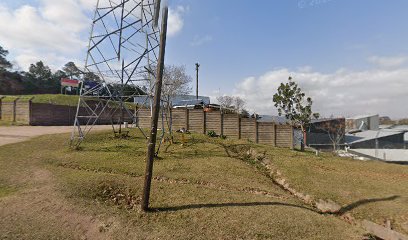
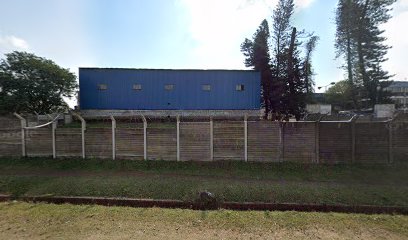
HAMMARSDALE WASTE WATER TREATMENT WORKS is a Water treatment plant establishment in Durban, KwaZulu-Natal, South Africa
Durban
KwaZulu-Natal
3699
South Africa

no-image
Sorry, no records were found. Please adjust your search criteria and try again.
Sorry, unable to load the Maps API.
Water treatment plant services in Durban, KwaZulu-Natal
Water treatment plant services in Durban, KwaZulu-Natal cover a broad range of activities designed to ensure safe, reliable water supplies for municipalities, industries and communities. As a coastal city with varied industry and climate considerations, Durban’s water treatment provisions emphasise flexibility, compliance with local regulations, and an emphasis on sustainable operation. External observers note that plants in this region commonly address both raw water treatment and ongoing process management to maintain water quality from source to consumption.
Typical services include assessment and design support, where engineers review source water characteristics, potential contaminants and seasonal variability. This early stage informs plant layout, treatment trains and capacity planning. Once a project advances, installation and commissioning services establish the physical components of the treatment train, such as screening, coagulation, flocculation, sedimentation or filtration, disinfection and residuals handling. In Durban’s context, considerations often include salt intrusion in low-lying catchments, high turbidity during rain events, and the need for versatile systems that can respond to droughts and peak demand periods.
Operating and maintenance (O&M) is a core focus for water treatment plants. Regular monitoring of water quality, pressure, flow and chemical dosages is essential to ensure treated water meets regulatory standards. Plant operators typically employ online sensors and periodic laboratory tests to verify parameters such as microbiological safety, turbidity, pH, residual chlorine, hardness and mineral balance. Ongoing maintenance covers mechanical components, pumps, valves, pumps’ vibration analysis, and the cleaning or replacement of filters and membranes where applicable. In Durban, where electricity costs and supply reliability can influence operations, energy-efficient equipment and thoughtful scheduling are advantageous.
Process optimisation and upgrade work are common services. This includes fine-tuning chemical dosing, adjusting aeration or filtration processes, and evaluating alternative treatment options to address emerging contaminants or changing source water characteristics. Retrofit projects may convert older facilities to modern standards, improve automation, and enhance remote monitoring capabilities. While exact technologies differ, the goal is to maintain consistent water quality while minimising chemical use, waste production and energy consumption.
Disinfection is a critical stage in many Durban facilities, ensuring microbial safety of drinking water. Common approaches include chlorination, UV treatment or advanced oxidation processes, selected to balance safety, cost, and by-product considerations. Sludge handling and disposal is another important service area, encompassing sludge thickening, dewatering and appropriate disposal or beneficial reuse, subject to environmental approvals.
Regulatory compliance and reporting form a significant component of service provision. This involves ensuring that design, operation and testing meet national standards and local requirements. Documentation, incident response planning, and emergency preparedness are routinely supported to minimise disruption during adverse events such as power outages, floods or contamination alarms.
Practical considerations for customers in Durban relate to site-specific factors such as coastal salt exposure, the need for robust intake protection against debris, and the management of brackish or seawater ingress in certain basins. Weather patterns, seasonal rainfall, and community demand profiles influence maintenance scheduling, reservoir management and the sizing of treatment trains. Stakeholders also consider environmental impact, including odour control, noise, and the handling of brines or chemical wastes in a responsible and compliant manner.
Overall, water treatment plant services in Durban aim to deliver dependable, safe water through thoughtfully designed treatment processes, proactive operation, and transparent maintenance practices. The emphasis remains on ensuring compliance, safeguarding public health, and supporting sustainable water use across the KwaZulu-Natal region.