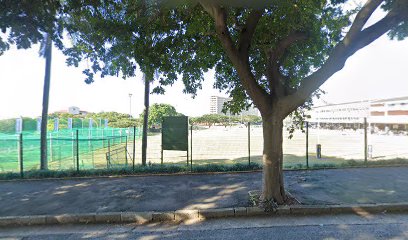
Durban University of Technology is a School establishment in Durban, KwaZulu-Natal, South Africa
Durban University of Technology (DUT) – Services and Student Experience in Durban, KwaZulu-Natal
The Durban University of Technology (DUT) is presented as a large, multi-campus higher education institution serving KwaZulu-Natal with a focus on practical, technology‑driven learning. With campuses in Durban and Pietermaritzburg, DUT describes itself as a first choice for students seeking applied and technical education within the region. The university emphasises a broad range of activities that fall under teaching, learning, research and community engagement, positioning itself as a centre for both fundamental study and skills development across diverse subjects.
Key service areas are organised around academic faculties, student support, research and postgraduates, and alumni relations. The university’s official materials highlight the existence of comprehensive faculty structures, backed by dedicated units responsible for student services, learning technologies, and timetabling. This indicates a managed approach to both on-campus learning and distance or blended study, with digital platforms and portals supporting student administration and access to course information.
Central to the student experience is the DUT4Life student portal and related digital services. The portal and associated tools are described as portals for email, learning, and access to essential student information. In addition, e‑Learning initiatives and timed lecture timetables are positioned as practical supports for students navigating registration, course delivery and assessment. The emphasis on these digital touchpoints suggests a streamlined, paper‑lite administrative environment designed to help students stay informed and engaged across their programmes.
Academic life at DUT is framed by the Research and Postgraduate Support Directorate (RPS), which manages the university’s research activities and supports academic and research staff. This unit fulfils several roles, including research capacity development, grants management, and research information management. The RPS communicates a clear emphasis on advancing research output, supporting postgraduate work, and providing opportunities for staff and students to engage with scholarly activities through structured programmes, lectures and publications. For prospective researchers, DUT presents pathways through research capacity development programmes and postgraduate inquiries, underscoring a culture that values scholarly progression alongside vocational outcomes.
Student services are presented as a dedicated suite of resources, including housing and residence life, student governance and development, counselling and health services, and sports administration. The presence of these service streams signals a holistic approach to student welfare, success, and extracurricular engagement. News and announcements related to student activities — such as leadership programmes, club activities, and campus events — illustrate an active campus life with opportunities for leadership, community involvement and personal growth beyond formal study.
Beyond on‑campus activities, DUT showcases collaborative initiatives and partnerships in the wider educational and professional landscape. News items reference collaborations with international organisations, industry partnerships, and educational networks that support innovative teaching, TVET links, and research partnerships. These connections reflect a university that seeks to align its programmes with industry needs and contemporary societal challenges, potentially enhancing graduate employability and research relevance.
For visitors and potential students, practical expectations are shaped by a combination of campus information and digital resources. The university’s online content points to a structured approach to study opportunities, application and registration information, and a suite of guides and handbooks. While specific operating hours or peak visiting times are not stated in the available materials, the campus‑based services and online portals imply a blended environment designed to accommodate both on‑site attendance and flexible learning arrangements.
Typical delivery channels and interaction modes, inferred from the site, include face‑to‑face academic delivery supported by structured online tools, research capacity programmes and formal student support services. The university also highlights student accommodation, governance mechanisms, and sport as integral parts of the student experience, suggesting a vibrant campus culture with opportunities to participate in clubs, teams and leadership activities.
Practical tips for customers planning a DUT visit or engagement include familiarising with the DUT4Life portal and ThinkLearnZone e‑learning platforms, checking lecture timetables early in the registration cycle, and reviewing the student services sections for information on housing, counselling and student governance. Prospective researchers may find value in exploring the Research and Postgraduate Support Directorate’s offerings, including postgraduate enquiries and grants management resources, to understand funding and capacity development opportunities. For those needing official documentation, the Information and Handbooks sections provide access to application forms, fees books and registration guidance.
In summary, DUT presents a comprehensive, externally oriented profile of services aimed at delivering practical education, robust student support, and active engagement in research and community partnerships. The combination of campus infrastructure, digital platforms and structured support programmes is designed to facilitate a practical, career‑oriented education experience within KwaZulu‑Natal and the broader South African higher education landscape.
Durban
KwaZulu-Natal
4001
South Africa
Sorry, no records were found. Please adjust your search criteria and try again.
Sorry, unable to load the Maps API.
School services in Durban, KwaZulu-Natal: what families can expect
Durban, situated on the eastern coast of South Africa, hosts a broad range of school services designed to support learners from early years through to late adolescence. In the Durban area of KwaZulu-Natal, observers note services that typically align with national education guidelines while reflecting local needs, languages, and community context. The focus is on fostering academic development, personal growth, and well-being within a safe and well-managed environment.
The core services commonly provided include standard classroom instruction across primary and secondary levels, subject-specific support, and pathways for learners at different ability levels. In addition to core lessons, many schools offer language support for learners who are navigating English as an additional language or primary instruction in local languages such as Zulu, with provisions that help pupils access curriculum content effectively. Practical arrangements around timetabling, assessment, and progression are usually aligned with national and provincial expectations, though details may vary between institutions.
A typical Durban school also provides a suite of ancillary services aimed at convenience and safety for families. Transport arrangements, where available, help learners travel between home and campus, sometimes including designated pickup points. Nutritious meals or snacks during the school day are commonly offered or available through on-site facilities or approved external suppliers. After-school care and extracurricular programmes form another important component, enabling learners to participate in sports, arts, music, and clubs while staff supervision continues beyond normal teaching hours.
Support for learner well-being is an essential feature in many Durban schools. Counselling services, pastoral care, and guidance on personal development are often provided to assist with social-emotional learning, career planning, and dealing with challenges encountered during adolescence. In some instances, schools collaborate with external specialists to address individual needs, including assessment and referral pathways for learners requiring additional support or intervention.
The broader school environment includes facilities and services that contribute to a safe and disciplined setting. Security measures, clear supervision, and established rules help maintain order on campus. Maintenance of buildings, classrooms, and play areas keeps learning spaces functional and welcoming. Where appropriate, schools may run or refer families to resource programmes that enhance digital literacy, critical thinking, and practical skills relevant to post-school life.
Parents and guardians can expect transparent communication channels regarding academic progress, attendance, and any concerns about a learner’s well-being. Regular reporting, parent–teacher meetings, and school newsletters are common methods for keeping families informed. While practices vary, many Durban schools emphasise community involvement through parent associations, volunteer opportunities, and event participation, fostering a collaborative educational environment.
Practical considerations for those engaging school services in Durban include the following:
- Location and travel: Proximity to home, work, and transportation hubs influences daily routines and punctuality.
- Language and culture: Schools may operate in English, with additional language support or bilingual options; understanding local customs can enhance engagement.
- Fees and funding: Affordability varies; some schools offer bursaries or payment plans. Transparent information about fees is typically provided during the admissions process.
- Term dates and calendar: Academic years typically run in line with provincial schedules, with holidays and examination periods clearly published.
- Admissions and eligibility: Entry requirements, placement testing, and waiting lists can affect timelines; involvement in the process is usually straightforward through the school’s admissions office.
Overall, the Durban education landscape provides a coherent set of services aimed at enabling learners to achieve academically while developing personal and social competencies. Prospective families are advised to consult individual schools for precise offerings, admission steps, and any location-specific efficiencies or constraints.