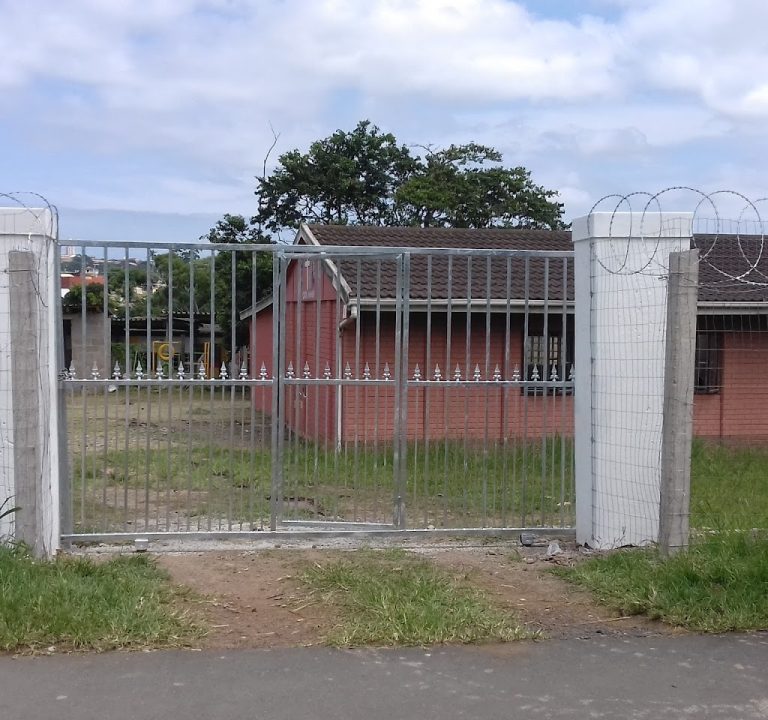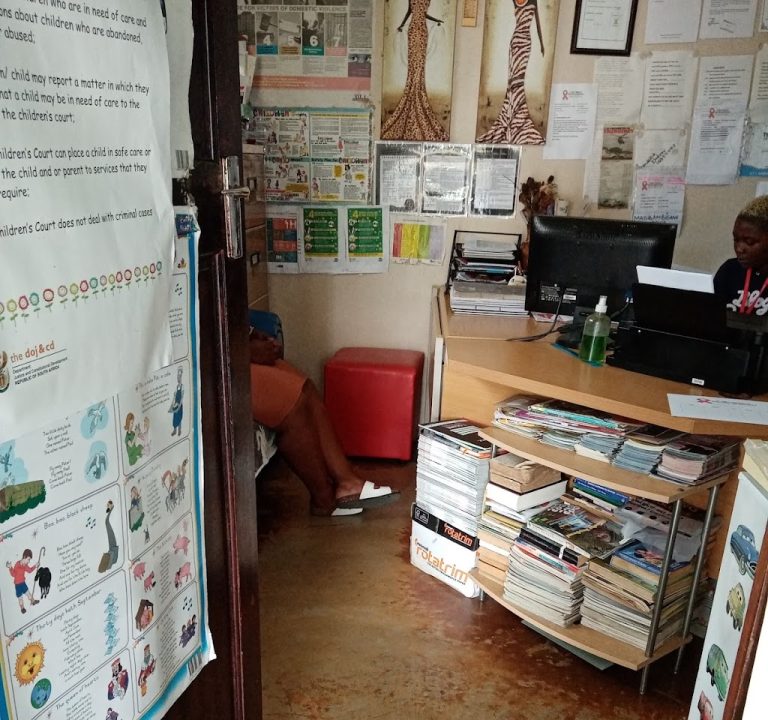
Cato Manor Masibambisane is a Non-profit organization establishment in Durban, KwaZulu-Natal, South Africa
Cato Manor Masibambisane – Non-profit Organisation in Durban, KwaZulu-Natal
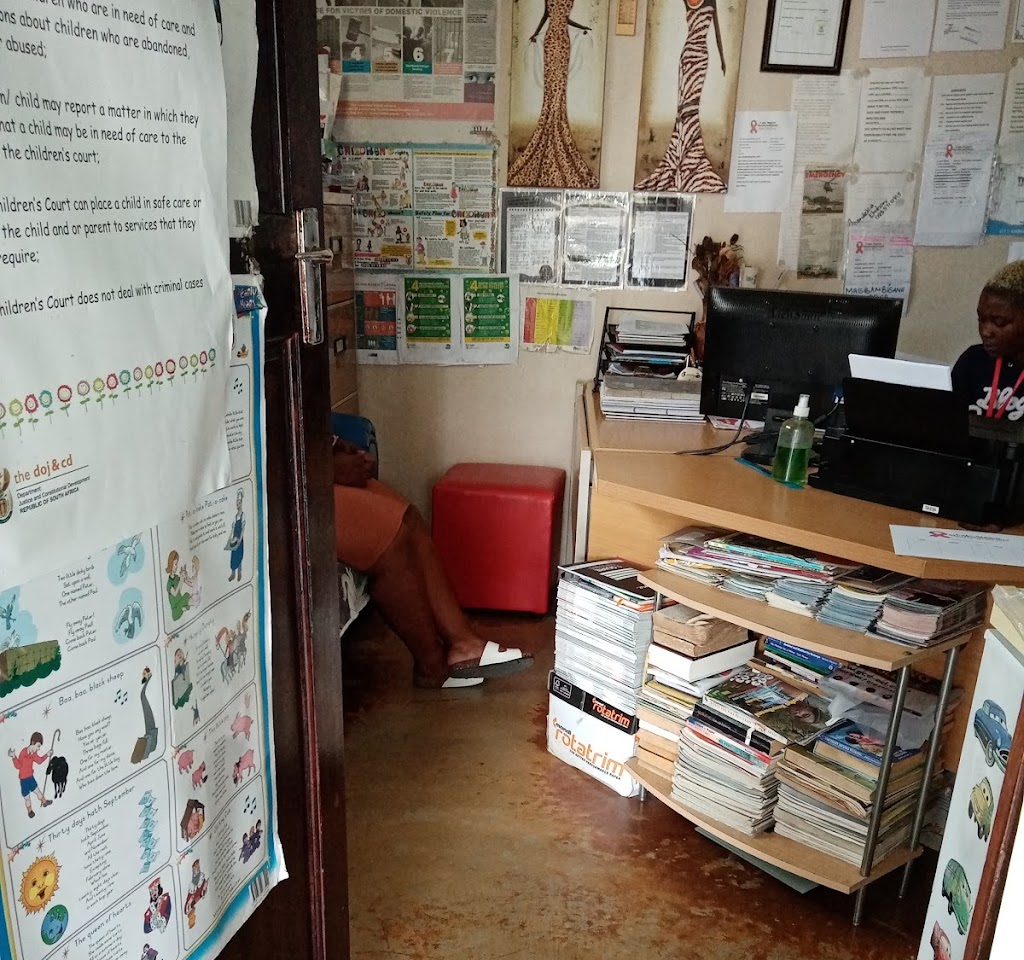
Located in Durban’s KwaZulu-Natal region, Cato Manor Masibambisane operates as an independent non-profit organisation (NPO) with a focus on community-centric initiatives. Described publicly as registered and open around the clock, the organisation presents itself as a continuous centre for local support, engagement and social development within the Cato Manor area and surrounding communities.
The organisation’s digital footprint, primarily represented through its Facebook presence, conveys a simple, community-oriented profile. Details such as a street address—17 Solo Mahlangu Drive, Wiggins, 4091—and a contact number (+27 72 874 2401) are provided to facilitate informal outreach. The page highlights its status as a registered NPO and notes 24-hour openness, underscoring a commitment to accessibility and ongoing activity within the community. While rendered through a social platform, the profile functions as a gateway for residents and visitors to learn about local initiatives and opportunities for involvement.
Main services offered by Cato Manor Masibambisane appear to be aligned with typical community non-profits, centred on open access to resources, information sharing, and potential collaboration with residents. In the absence of a formal services list on the available page content, the organisation is best understood as providing a hub for local engagement, support networks, and grassroots projects that aim to improve daily life in the Cato Manor vicinity. The nature of activities commonly associated with similar NPOs—community outreach, capacity building, coordination of volunteers, and facilitation of local projects—can be inferred as likely areas of focus, given the organisation’s public designation and open-hours status.
From a visitor perspective, engagement with the organisation seems to be informal and community-driven. The presence of a public profile on Facebook suggests that interactions may occur through posts, comments, and messages rather than through a formal client-service portal. This aligns with a practical model where residents learn about opportunities, events, or support programmes via social media updates and direct outreach to the contact number listed on the page.
Typical project work within the Durban and wider KwaZulu-Natal context involves grassroots initiatives designed to address local needs, empower residents, and strengthen neighbourhood ties. While no specific project names or case studies are visible in the available content, the organisation’s character as a neighbourhood-focused NPO implies potential involvement in activities such as community education, resource distribution, and coordination with other local organisations to bolster social welfare and development outcomes.
In terms of the customer experience, stakeholders can expect a straightforward, locally anchored point of contact. The 24-hour access claim suggests a readiness to respond to community concerns or opportunities at any time, which is a valuable attribute for residents seeking timely information or assistance. Given the absence of formal client reviews on the provided page, the lived experience of service users would benefit from additional feedback channels to capture outcomes, satisfaction, and impact more clearly.
- Main services: Community engagement, local networking, information sharing, and potential facilitation of grassroots projects.
- Typical activities: Community initiatives, volunteer coordination, outreach programmes, and collaboration with other local groups.
- How to engage: Contact via the listed phone number or monitoring the Facebook page for updates and opportunities.
Practical tips for potential visitors or participants include: checking the latest posts for upcoming events or calls for volunteers, noting the 24-hour openness as a sign of available support, and reaching out through the provided contact number to confirm current programmes or to request information about specific needs or opportunities. For those travelling to the area, the organisation is located in Wiggins, within the Durban metropolitan region, suggesting accessibility for local residents and those visiting the broader city.
Best times to visit are likely governed by local community activity schedules rather than formal operating hours, given the 24/7 designation. Visitors should plan to connect via social media or phone to verify any meetings, programmes, or resource distributions that may be scheduled in the coming days. While the available information does not specify partner organisations, funding sources, or formal accreditations, the page presents Cato Manor Masibambisane as a locally embedded platform for civic participation and mutual aid within the Durban area.
Durban
KwaZulu-Natal
4091
South Africa
Sorry, no records were found. Please adjust your search criteria and try again.
Sorry, unable to load the Maps API.
Non-profit organisation services in Durban, KwaZulu-Natal
Non-profit organisations (NPOs) operating in Durban, KwaZulu-Natal, typically provide a broad range of services aimed at addressing social need, strengthening communities and supporting marginalised groups. In this coastal metropolitan area, organisations may work with residents across urban neighbourhoods and surrounding townships, as well as rural settlements within the province. The scope of activity often centres on community upliftment, social support, education and health, with an emphasis on sustainable, locally driven outcomes.
A common set of services includes community development programmes that mobilise residents, build skills and foster local leadership. Projects may focus on improving housing conditions, water and sanitation access, environmental stewardship or enterprise support for small, community-based initiatives. Education and literacy activities are frequently available, ranging from after-school tutoring and career guidance to skills training, numeracy and basic digital literacy. Health outreach and preventive care are also prevalent, including awareness campaigns, screening events and support services for vulnerable groups such as children, the elderly and people with disabilities.
Support for families and individuals often features prominently. NPOs may provide crisis intervention, counselling, food security schemes or subsidised meals, and assistance with access to basic services such as social grants, housing assistance or welfare referrals. In many communities, organisations collaborate with local schools, clinics and faith groups to amplify reach and ensure culturally appropriate programming. Advocacy and rights-based work is another common thread, with efforts directed at improving access to services, safeguarding communities from exploitation and influencing local policy on housing, education, health and safety.
Partnerships and collaboration are typical to maximise impact. Durban-based NPOs frequently coordinate with government agencies, private donors and other civil society organisations to share resources, align objectives and avoid duplication. Volunteer programmes are a key element, offering individuals opportunities to contribute time, expertise or materials while building capacity within partner communities. For volunteers and staff, clear governance structures, role descriptions and supervision contribute to effectiveness and accountability.
Operational considerations and expectations for service users are practical and pragmatic. Prospective clients can expect programmes to be aimed at achievable, time-bound objectives with transparent monitoring where possible. While not every project includes formal certification, many organisations keep records to track attendance, outcomes and progress, which may support funding applications and reporting requirements. Accessibility is a priority in Durban, with consideration given to transport options, accessibility for persons with disabilities and language diversity to ensure inclusive participation.
A simple overview of how these services typically work follows a practical pattern:
- Assessment and planning: organisations assess community needs, identify target groups and design interventions suited to local context.
- Delivery and support: programmes are implemented through workshops, outreach, on-site visits or community events, often leveraging partnerships with schools, clinics and community centres.
- Monitoring and reporting: progress is tracked, with outcomes communicated to beneficiaries and funders, while learning informs future activities.
- Governance and sustainability: governance structures, financial controls and donor stewardship underpin enduring operations and trust.
In Durban’s diverse environment, expectations centre on local relevance, cultural sensitivity and responsiveness to shifting community needs. Prospective service users should consider practical aspects such as location, accessibility, available language options, and the regularity of programme activities when engaging with a non-profit service. Financial transparency, clear eligibility criteria and straightforward referral processes commonly help individuals and families determine whether an organisation’s offerings align with their circumstances. Overall, Durban’s non-profit sector plays a vital role in delivering essential services, strengthening resilience and fostering community-led development across KwaZulu-Natal.