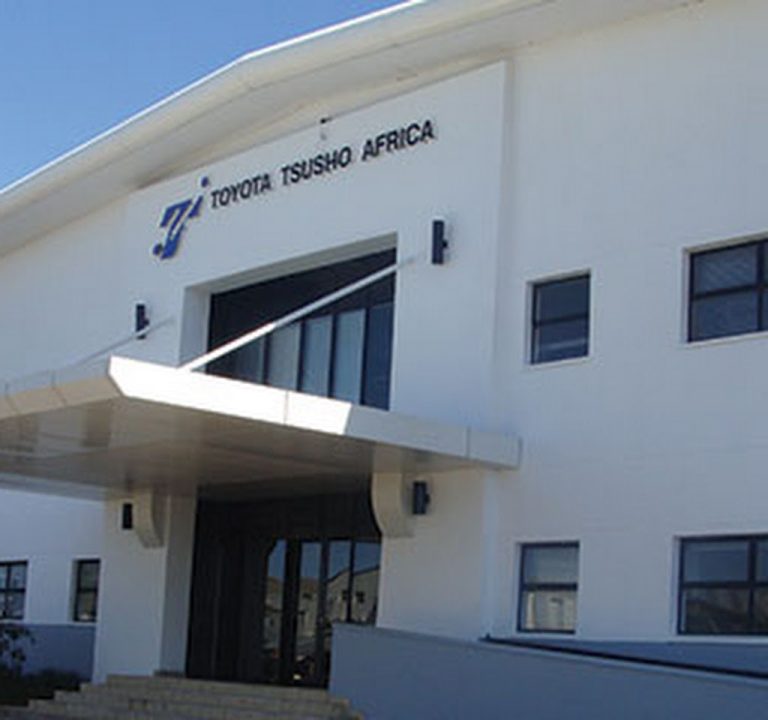
Toyota Tsusho Africa (Pty) Ltd is a Training centre establishment in Durban, KwaZulu-Natal, South Africa
Toyota Tsusho Africa (Pty) Ltd — Training Centre in Durban, KwaZulu-Natal
Situated within the broader Toyota Tsusho Africa framework, the Durban-based operation functions as part of a respected South African centre specialising in supply chain management and production assembly. While the company presents itself as a supplier of value-adding solutions for the automotive sector, the Durban facility forms part of a network designed to optimise procurement, parts assembly, and related processing activities for customers across South Africa and the wider region.
As described, Toyota Tsusho Africa operates through multiple divisions that contribute to a cohesive service offering. The training or development-oriented aspects of the business are embedded in the organisation’s overall approach to improving organisational efficiency and effectiveness through tailored production assembly and supply chain solutions. This emphasis is reflected in the company’s content about its five divisions and the range of services designed to support automotive manufacturing and related industries.
Key services highlighted across the Durban footprint align with those of the organisation as a whole. They include the supply of automotive production parts, raw materials, equipment, and components for assembly; a focus on warehousing, distribution, and logistics; and specialised processing and handling activities such as steel sheet processing and scrap metal recycling. The Durban site benefits from being strategically placed to facilitate efficient delivery and processing workflows, complemented by warehousing and processing facilities in the area to support timely outputs for customers.
The organisation is explicit about its breadth of industrial reach, listing services that touch the entire lifecycle of vehicle production and related supply chains. These include procurement and supply of production parts, metals processing, and post-production accessory fitments and conversions. The breadth of work encompasses machinery and spare parts, chemicals and paints, as well as materials used in the automotive environment, illustrating an integrated approach that extends beyond simple parts supply to encompass value-added processing and logistics support.
Customers served by Toyota Tsusho Africa benefit from a coordinated service model spanning its four primary divisions. In Durban, this translates to access to supply chain optimisation, local and global procurement capabilities, and the capacity to manage complex logistics requirements. The company’s services also cover customs clearing, warehousing and distribution, and vehicle logistics management, underscoring a holistic portfolio designed to support automotive manufacturers and related industries from Parts Assembly through to final delivery.
Typical job types associated with the Durban operation, while not itemised in detail on the site, can be inferred from the company’s service categories. Roles commonly align with supply chain management, parts procurement, materials handling, steel processing, and assembly support. Opportunities may exist in warehouse administration, logistics coordination, inventory management, and regional procurement activities, with a strong emphasis on collaboration across divisions to meet customer needs efficiently.
Requests and engagements typically flow through standard business channels, with contact points available for inquiries related to the Durban operation. The company’s Durban area network is linked to the Moss Kolnik Drive and Prospecton facilities, reflecting a footprint that supports both processing and logistics activities in KwaZulu-Natal. For general inquiries or to discuss specific requirements, contact details are provided on the official site, indicating a straightforward pathway to engage with the organisation’s services.
Practical tips for customers planning to engage with the Durban facility include the following:
- Prepare a clear outline of procurement needs, including product specifications, quantities, and timelines to align with the supply chain capabilities described by the organisation.
- Consider the full scope of services—from parts supply and assembly through to warehousing, logistics, and recycling—to optimise cost and lead times.
- Be mindful of location advantages: Durban’s facilities are positioned to support efficient processing and delivery within KwaZulu-Natal and neighbouring regions.
- When planning visits, note the main contact points listed on the website and plan conversations around end-to-end service delivery, including potential integration with other divisions.
- Review available areas of expertise, such as automotive parts, machinery, chemicals, paints, resins, adhesives, and steel processing, to identify the most suitable service intersections for the project.
The Durban centre sits within a broader national network that includes offices and facilities in Durban and Pretoria, with additional processing and logistics capabilities across related sites. While specific visiting hours are not published, prospective customers are encouraged to reach out via the listed contact channels to arrange appointments and gather tailored information about available services, timelines, and delivery options. The company’s reference to a comprehensive service portfolio signals a commitment to supporting the South African automotive industry through integrated supply chain and production solutions.
Durban
KwaZulu-Natal
Umbogintwini, Durban
South Africa
Sorry, no records were found. Please adjust your search criteria and try again.
Sorry, unable to load the Maps API.
Training Centre Services in Durban, KwaZulu-Natal
Durban, situated along the KwaZulu-Natal coast, hosts a diverse range of training centres that cater to individuals seeking vocational, professional and personal development. These facilities are typically designed to support learners across various stages, from entry-level courses to advanced programmes, with an emphasis on practical skills, industry relevance and employability.
Many Durban training centres offer a mix of short courses, certificates and longer qualifications across several sectors. Practical trades and technical programmes are common, including construction, engineering, hospitality, health and safety, and information technology. In addition to hands-on workshops, centres frequently provide classroom-based learning to build theoretical foundations, complemented by supervised practice sessions to reinforce competence in real-world settings.
Business-focused offerings are also prevalent. Participants can expect programmes in administrative skills, project management, customer service, finance and bookkeeping, marketing, and leadership development. These courses are often complemented by soft-skills training in communication, teamwork, problem-solving and workplace etiquette, which are valued across industries in the Durban region.
Compliance and safety training constitutes a core feature of many centres. Learners may encounter modules on occupational health and safety, first aid, fire awareness, driving theory refreshers, and sector-specific regulatory requirements. Courses are designed to meet local and national standards, with assessments that gauge knowledge as well as practical proficiency. Some centres align their offerings with recognised frameworks or industry bodies, while others focus on customised in-house programmes tailored to employer needs.
For organisations seeking workforce development, Durban training centres frequently provide customised corporate programmes. These are designed to address a business’s particular goals, timelines and skill gaps. Delivery methods vary and may include on-site training at the client’s premises, off-site sessions at the centre, or blended approaches that combine in-person and online components. Practical considerations include scheduling flexibility, group sizes, and the ability to scale programmes to accommodate different departments or locations.
Facilities often feature well-equipped classrooms, computer labs, simulation spaces, and practical workshops that reflect local industry conditions. Accessibility and safety considerations are commonly emphasised, with venues designed to support learners who travel from different parts of Durban and the wider KwaZulu-Natal region. Many centres provide practical resources such as study guides, assessment materials and feedback channels to monitor progress and address learner needs promptly.
Assessment and progression are typically integral to the training experience. Participants may undergo a combination of written tests, practical demonstrations, portfolios of work, or continuous assessment throughout a course. Upon completion, certificates or statements of attainment are issued where applicable, subject to meeting defined criteria. In some cases, centres may offer guidance on industry recognition, further study opportunities, or pathways to higher qualifications.
Practical considerations for prospective attendees include travel arrangements, commuting times, and the availability of flexible timetables, including evening or weekend sessions. Language support and literacy considerations are sometimes addressed to ensure inclusivity for diverse cohorts. Learners are encouraged to verify accreditation status, the relevance of qualifications to career goals, and any potential funding or bursary options that may be available through local authorities, employers, or training bodies.
- Short courses and certificates across trades, business, ICT and hospitality
- Longer accredited programmes and professional development
- Safety, compliance and regulatory training
- customised corporate and on-site training
- Blended learning with practical workshops and classroom theory