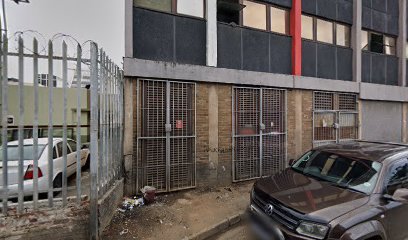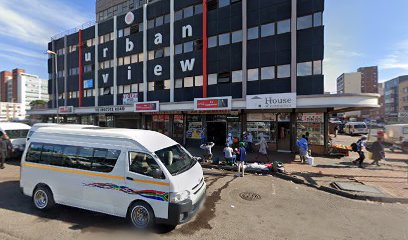
USIZO LWA NKULUNKULU is a Free clinic establishment in Durban, KwaZulu-Natal, South Africa
Durban
KwaZulu-Natal
Durban Central, Durban
South Africa
Sorry, no records were found. Please adjust your search criteria and try again.
Sorry, unable to load the Maps API.
Free clinic services in Durban, KwaZulu-Natal: an overview
In Durban, KwaZulu-Natal, free clinics provide essential primary healthcare to a diverse urban population and surrounding townships. These facilities operate as publicly funded or NGO-supported services designed to offer no-cost medical attention to patients who may not have private health insurance or sufficient means to afford private care. The emphasis is on accessible, compassionate care that covers common health concerns as well as preventive measures.
Typical offerings include general practitioner consultations for acute illnesses and chronic condition management, basic diagnostic assessments, and referrals to higher levels of care when needed. Preventive services are a cornerstone of the free clinic model, with immunisations for children, routine wellness checks, and health promotion campaigns aimed at improving long-term outcomes. Screening for communicable diseases—such as HIV and tuberculosis—are commonly available, alongside counselling and guidance on prevention and treatment options. Maternity and child health services are often a focus as well, including antenatal visits, growth monitoring, nutrition advice, and support for families navigating early childhood health needs.
In addition to medical care, these clinics frequently connect patients with essential social and support services. This can include assistance with nutrition, housing or welfare information, and help navigating the public health system. Some clinics offer mental health and psychosocial support, which may involve confidential conversations with trained staff or referrals to specialised services. Basic wound care, minor surgical procedures, and management of injuries incurred in daily life are also commonly available, subject to the clinic’s capacity and resources.
Pharmaceutical provisions at free clinics generally include commonly needed medications for short-term illnesses, chronic disease management, pain relief, and essential supplies. The aim is to address immediate health concerns and to guide patients toward appropriate follow-up or secondary care if required. Where appropriate, clinics may provide or arrange for access to vaccines, essential tests, and laboratory services, often coordinating with larger hospital networks or public health programmes.
Patients should expect conditions typical of public-facing health services: a structured queue system, a focus on efficiency to support many callers, and a privacy-conscious environment for consultations. Language accessibility is typically considered, with staff able to communicate in local languages such as isiZulu and English. It is advisable to bring any relevant documentation, such as identification or medical records, when possible, though many clinics can operate with minimal paperwork for walk-in visits.
Practical considerations reflect Durban’s urban setting and the diverse communities it serves. Free clinics may operate from dedicated health facilities, community centres, or satellite locations connected to larger hospitals. Opening hours can vary, and peak times may occur after work or school hours. Public transportation options, walking distances, and safe access to clinics are important factors for residents and visitors alike. For those needing ongoing care, establishing a plan with a clinic staff member can help ensure continuity, including instructions for follow-up visits, medication refills, and when to seek urgent care.
Overall, free clinic services in Durban offer a pragmatic entry point to healthcare, combining curative care with preventive guidance and social support. They play a critical role in addressing health disparities by providing accessible, non‑disciplinary care focused on immediate needs while connecting individuals to broader healthcare networks when more specialised services are required.