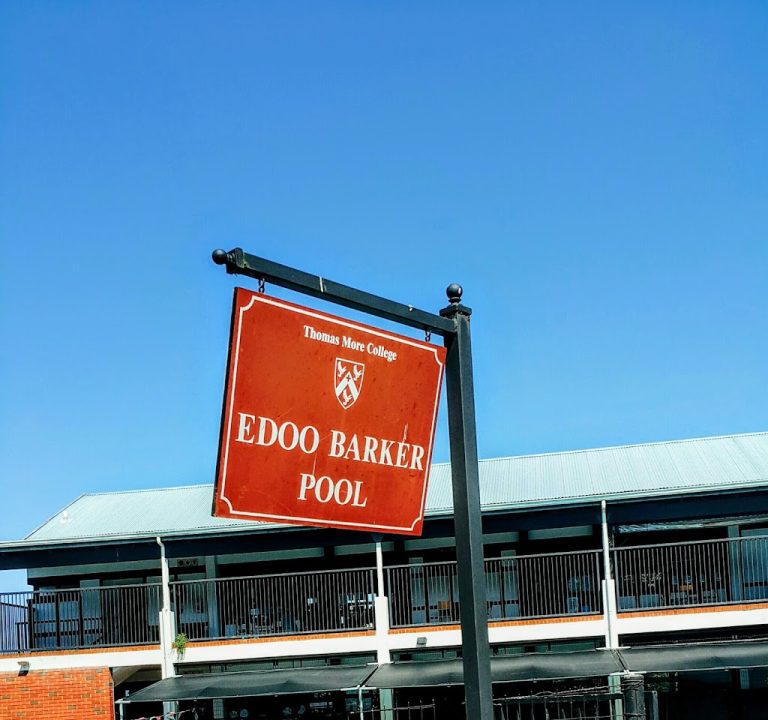
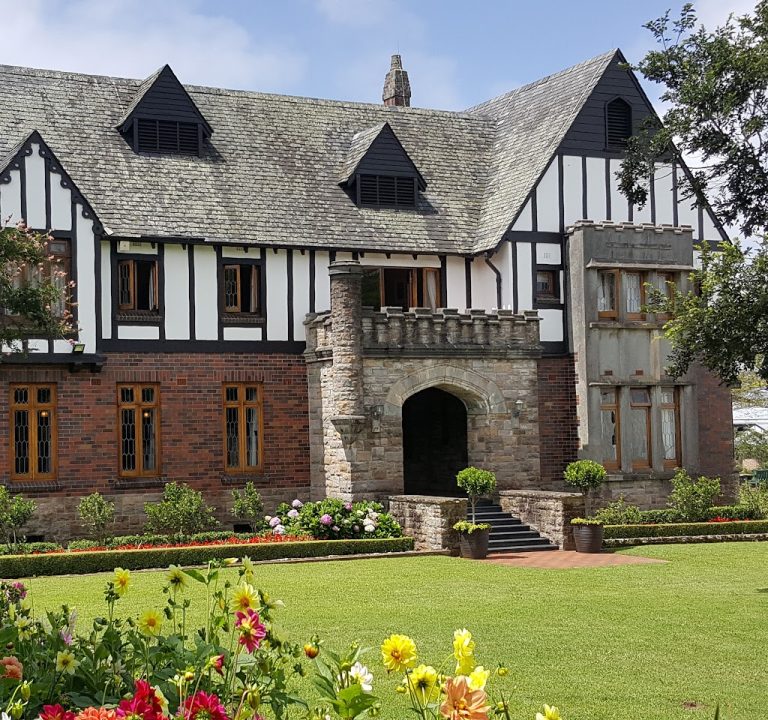
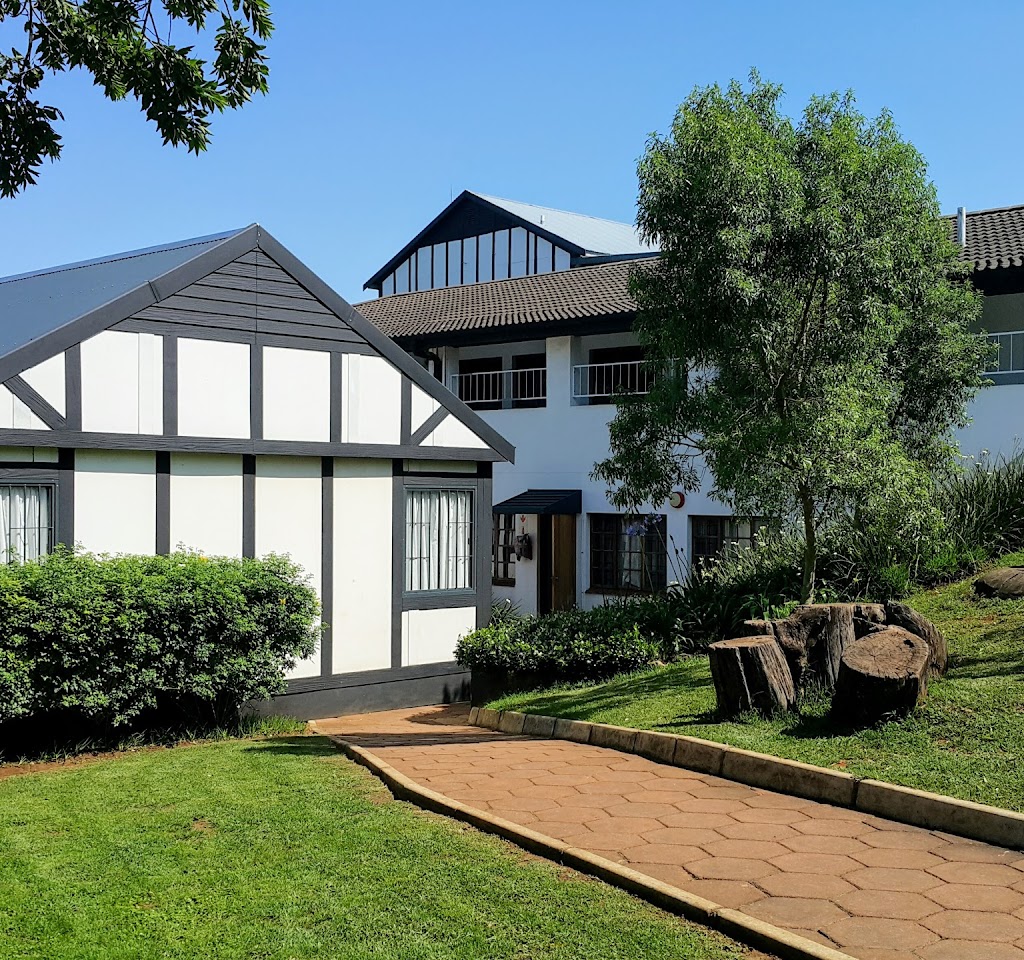
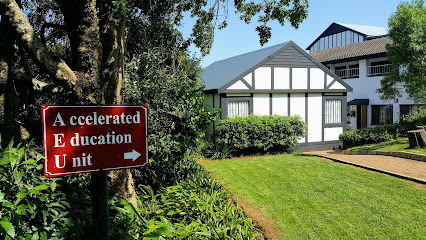
AEU (Accelelerated Education Unit), Thomas More College is a School establishment in Kloof, KwaZulu-Natal, South Africa
A summary of services and customer experience at Thomas More College (A.E.U. - Accelerated Education Unit) in Kloof, KwaZulu-Natal
Thomas More College in Kloof, located within the Upper Highway area of Durban, offers a comprehensive independent co-educational day school experience for pupils from creche through to matric. The campus sits within a private conservancy, combining historic charm with modern facilities to support a balanced, high‑standard education. The school emphasises Christian values, whole-child development, and a thriving culture of sport, the arts and community involvement, designed to nurture intellectual growth alongside personal character.
Core educational provision is complemented by a robust Accelerated Education Unit (A.E.U.) on campus. The A.E.U. provides a range of learning support services aimed at meeting diverse needs and ensuring inclusive education. Services include remedial lessons, speech and language therapy, occupational therapy, and language support, alongside enrichment programmes, study skills development, extra lessons, and psychological support. The A.E.U. operates as a private entity within the school framework, with some sessions partially covered by school fees and additional private fees for specialised therapy and services. Dedicated spaces on campus are allocated for therapy sessions and lessons, underscoring a structured, on-site approach to support.
Screening forms a critical part of the entry process for the A.E.U., with prospective Primary School applicants undergoing age-appropriate assessments to identify strengths and weaknesses before admission. This profiling helps tailor interventions and learning plans, aligning with the school’s ethos of bespoke support where necessary. Accommodation and concessions—adjustments to curriculum, assessment formats, or environment—are available to High School pupils to assist with learning needs and examination support, reflecting the school’s commitment to accessible education for all learners.
Beyond remedial and therapeutic offerings, the A.E.U. supports a broad spectrum of services designed to enhance academic performance and personal development. These include extra lessons in core subjects (English, Maths, Afrikaans), dyslexia and dyscalculia consultations and therapy, occupational and physiotherapy, remedial testing, and study skills coaching. Additional private offerings include annual eyesight and hearing testing. The A.E.U. also functions as a centre for psychological testing, accommodation (modifications to content or delivery), and investigation into subject or career choices, reinforcing an evidence-based approach to educational planning.
The school’s main academic framework is complemented by extensive facilities and programmes across academics, sport, and culture. The facilities encompass modern classrooms with smart technology geared to the IEB curriculum, plus a wide range of sporting venues: an indoor sports centre, multiple fields and cricket facilities, an indoor theatre-like space, BMX-style options, an Olympic-size swimming pool, rock climbing, and a cross-country/trail route through adjacent conservation land. A future High-Performance Centre is anticipated, signalling ongoing investment in infrastructure to support elite sport, physical education, and overall well-being.
Culturally, Thomas More College emphasises arts, performance, music, debating, robotics, and spiritual life. The Christian ethos threads through assemblies, chapels, clubs, and annual events, including the CAF Christian Art Festival, which highlights faith-inspired creativity. The school’s pastoral and spiritual framework is bolstered by organised student groups across phases, with leaders and staff coordinating activities that nurture faith, values, and community engagement.
Admissions guidance outlines a straightforward pathway: online applications with an administration fee for each submission, followed by interviews or assessments if spaces are available. A facilities levy applies upon a successful offer for the 2026 intake, with structured payment terms. The fee schedule covers textbooks, school technology, transport and sport coaching, wear-and-tear items, and a range of curricular and co-curricular experiences, including robotics, Olympiads, and extra-curricular clubs. AEU services are listed as part of the inclusions where applicable, with some elements subject to private charges outside standard school fees.
Practical tips for prospective families include understanding the screening and accommodation processes early to identify required supports, preparing for the private therapy and specialist services (if applicable), and reviewing the 2026 fee structure to anticipate overall annual costs. Visiting during calculated school hours may provide the most informative experience, particularly to view facilities in use and observe the integration of A.E.U. services with mainstream classes. The school’s location in Kloof places it within reach of the surrounding Upper Highway communities and the broader KwaZulu-Natal region, aligning with families seeking a co-educational, faith-informed, high‑quality preparatory pathway to matriculation.
Overall, the Thomas More College experience combines rigorous academic provision with extensive facilities and a wide spectrum of support services through the Accelerated Education Unit. The approach aims to enable pupils to excel academically while developing character, leadership, and community awareness in a Christian-based, inclusive environment.
Kloof
KwaZulu-Natal
3640
South Africa
Sorry, no records were found. Please adjust your search criteria and try again.
Sorry, unable to load the Maps API.
School services in Kloof, KwaZulu-Natal
In Kloof, KwaZulu-Natal, the schooling landscape commonly encompasses a mix of public and independent institutions catering to learners from early childhood through to secondary education. The services offered typically reflect national educational guidelines while adapting to local community needs, ensuring a blend of academic rigour, pastoral care, and extracurricular opportunities. Visitors to Kloof’s schools can expect a focus on foundational literacy and numeracy, alongside broader developmental goals that prepare learners for further study or entry into the workforce.
Most schools in this area provide a structured curriculum aligned with South Africa’s national standards, with places of learning emphasising core subjects such as languages, mathematics, science, and social studies. In addition to academic lessons, teachers frequently integrate life skills,digital literacy, and environmental awareness into daily timetables. Independent schools may offer enhanced facilities or smaller class sizes, while public institutions often prioritise inclusive access and a broad-based educational experience. The goal across options is to cultivate critical thinking, problem solving, and informed citizenship.
Pastoral care and student well-being are central components of school life in Kloof. Guidance programmes, counselling services, and support for learners with diverse educational needs are commonly available. Safeguarding protocols, safe transport arrangements, and well-maintained campuses contribute to a secure learning environment. Many schools also emphasise discipline policies grounded in consistency and respect, with clear codes of conduct that balance support for students with expectations around behaviour.
Beyond the classroom, schools in Kloof typically offer a range of extra-curricular activities. Participation in sports such as cricket, rugby, netball, or athletics is common, often complemented by facilities for swimming, tennis, or indoor recreation. Cultural programmes, including music, drama, art, and public speaking, provide opportunities for creative development and community engagement. After-school care and holiday programmes are frequently available, helping families manage work commitments while ensuring learners stay engaged in constructive activities.
Practical considerations for families seeking schooling in Kloof include transport arrangements, fees, and admission processes. Transport options may be organised by the school or coordinated with local providers, with routes designed to connect residential areas to campuses efficiently. Fees vary considerably between public and independent schools, with differences in facilities, class sizes, and specialised programmes influencing overall costs. Admission procedures generally involve application forms, assessment where applicable, and verification of academic records and residency status. It is common for schools to publish calendars outlining term dates, examination periods, and notable events to help families plan ahead.
Health and safety considerations also play a role in selecting a school in Kloof. On-site medical facilities or access to nearby clinics, routine emergency drills, and clear emergency response plans contribute to a reassuring environment. Schools may also communicate policy updates regarding pupil wellbeing, anti-bullying strategies, and safeguarding practices, providing parents with channels to raise concerns or seek information.
For prospective learners and their families, the decision about a school in Kloof often hinges on a combination of academic reputations, community fit, and the availability of programmes that align with individual interests and goals. While the specific strengths of each institution vary, the prevailing approach across the area centres on delivering a comprehensive, well-rounded education that supports personal growth, academic achievement, and responsible citizenship within the KwaZulu-Natal context. Families are advised to visit campuses, review prospectuses, and speak with staff or current students to gain a clear sense of the environment and opportunities on offer.