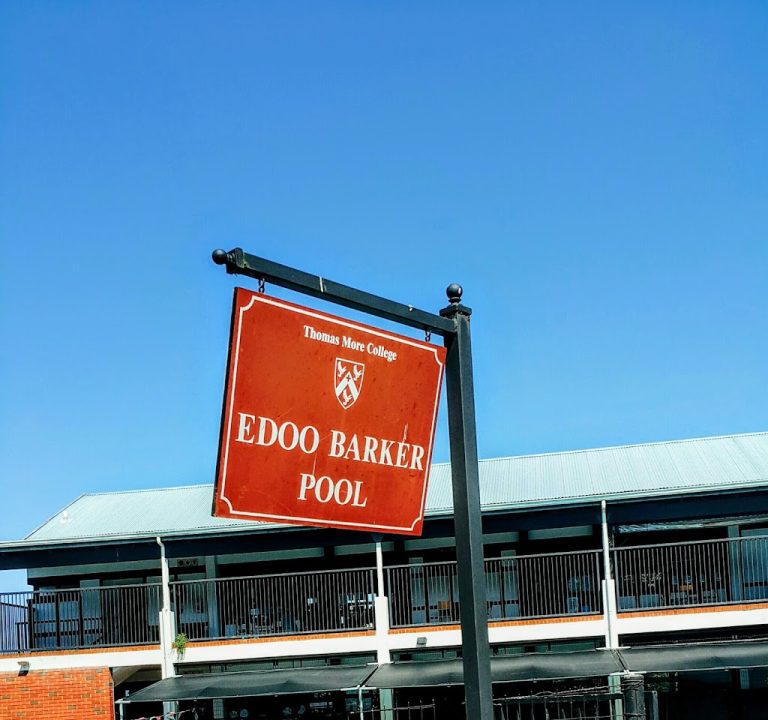
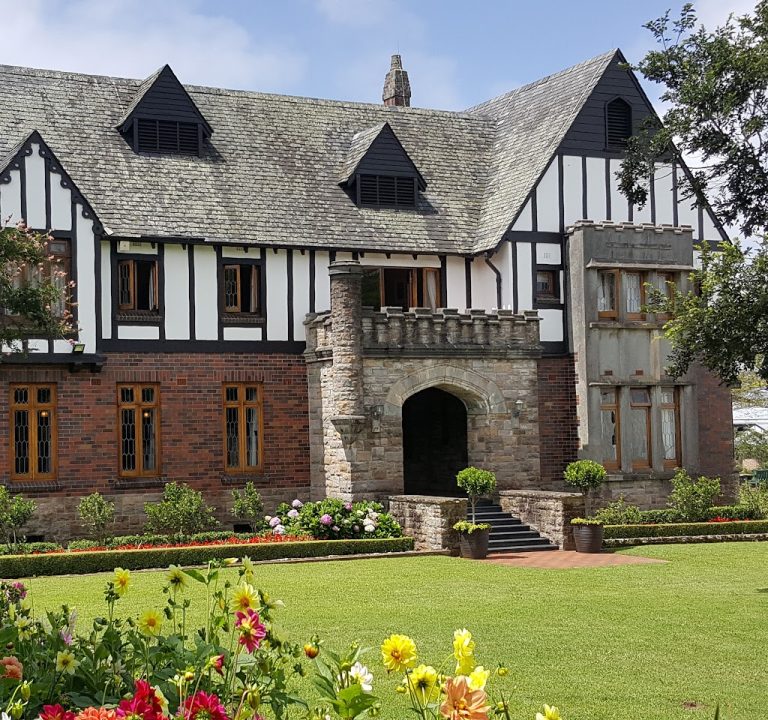
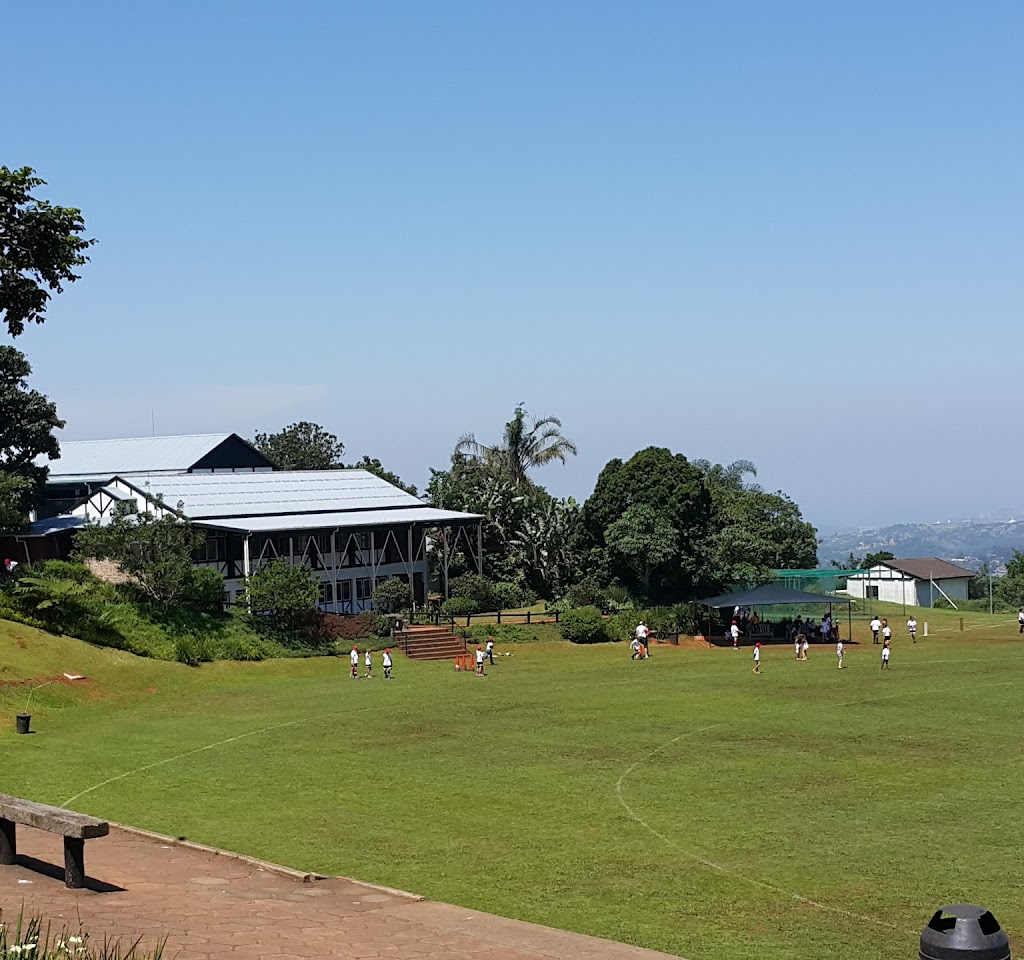
Ken Mackenzie Centre, Thomas More College is a School establishment in Kloof, KwaZulu-Natal, South Africa
Kloof
KwaZulu-Natal
3640
South Africa
Sorry, no records were found. Please adjust your search criteria and try again.
Sorry, unable to load the Maps API.
School Services in Kloof, KwaZulu-Natal
In Kloof, a leafy suburb near Durban in KwaZulu-Natal, school services are structured to support learners across the primary and secondary phases. Local education providers tend to emphasise a holistic approach, combining core academic instruction with broader development programmes. Parents and guardians can expect schools to address not only standard curricula but also social, emotional and physical well-being through a range of supplementary offerings.
Academic support typically includes a strong emphasis on literacy and numeracy, with classroom teaching designed to align with national and provincial curricula. Schools may offer additional help such as tutoring, small-group study sessions, or supervised study periods after classes. Subject departments often provide guidance for learners preparing for examinations, alongside opportunities to engage in project-based learning, research tasks and practical demonstrations that support classroom theory.
Extracurricular activities form a notable feature of the Kloof schooling landscape. There is usually a broad mix of sports, arts and cultural programmes, and service-orientated initiatives. Teams and clubs may include athletics, netball, rugby, cricket, chess, music ensembles, drama productions and environmental or community outreach projects. Participation is generally encouraged as a means to develop teamwork, discipline and leadership skills while fostering a sense of belonging within the school community.
Transport arrangements are commonly arranged through the school or shared transport schemes, particularly in hilly suburban areas where routes traverse residential streets. It is typical for families to rely on a combination of daily school arrivals, pupil drop-offs and organised transport to after-school activities. Schools may publish timetable information and pick-up points to facilitate planning, while ensuring safety considerations are prioritised in accordance with local regulations.
Admissions and enrolment processes for schools in Kloof usually involve standard application steps, document verification and, where appropriate, assessments or information sessions. The practical flow commonly includes submitting required documents, attending an enrolment meeting, and confirmation of spaces or placement. Financial arrangements may include school fees, payment plans and, in some instances, fee assistance options or scholarships that are directed by the individual school’s policy. Families are encouraged to review fee schedules, terms of payment and any additional costs related to uniforms, transport or extra-curricular activities before enrolment.
Health, safety and welfare considerations are integral to the school experience. Many schools maintain established procedures for safeguarding, medical support, and emergency response. On-site facilities often include well-equipped classrooms, libraries, computer rooms and science laboratories, along with secure play areas and appropriate supervision during break times. Accessibility is a consideration in planning and facilities management, ensuring opportunities for learners with differing needs to participate meaningfully in activities wherever possible.
Practical expectations for parents and guardians centre on clear communication and regular feedback. Schools typically provide newsletters, notice boards, student planners or digital portals containing important information about timetables, assessment calendars and upcoming events. Regular parent-teacher interactions, whether through formal meetings or informal updates, help to keep families informed about learner progress and school-wide developments.
In summary, school services in Kloof offer a community-centric mix of solid academic provision, diverse extracurricular opportunities and a focus on safety and wellbeing. Practical considerations include transport logistics, fee structures and the cadence of assessments, all regarded as essential elements in planning a successful school experience in this KwaZulu-Natal suburb. The overall aim across such institutions is to cultivate a supportive environment where learners can progress academically while developing critical life skills applicable beyond the classroom.