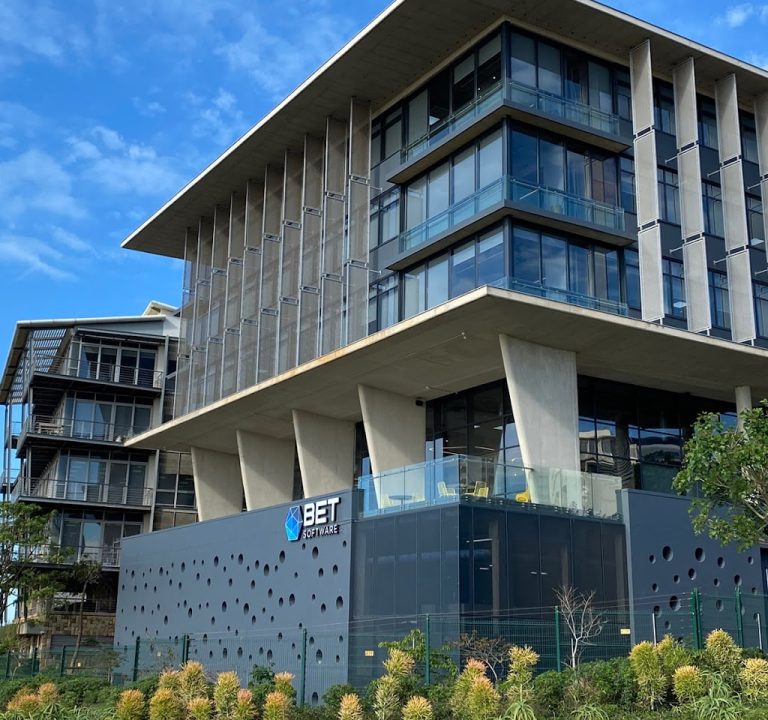
BET Software is a Software company establishment in Durban, KwaZulu-Natal, South Africa
<h2 BET Software: Durban-based software house delivering betting technology and innovative business software
BET Software operates as a Durban‑based software development house that has grown from a Durban start‑up within the Hollywoodbets Group to a stand‑alone provider of high‑end technology systems. The organisation emphasises a multiskilled, innovative team capable of handling large transactional volumes in fast‑paced environments. Its stated aim is to deliver advanced software solutions for online and retail betting, along with other groundbreaking systems, while maintaining a strong regional footprint in Sub‑Saharan Africa and beyond.
At the core of BET Software’s offering is SyX, a cutting‑edge software platform designed to run across online and retail channels. SyX provides a fully realised sportsbook experience and is capable of integrating with casino betting, virtual games, and live lotteries. The solution is described as seamless and highly scalable, with automated back‑office processes intended to deliver efficient control over operations. The platform also includes a payment portal that supports multiple payment methods, paired with a robust lottery management system and integration with internationally recognised providers. In short, SyX is positioned as a comprehensive, end‑to‑end betting ecosystem suitable for large volumes and varied wagering formats.
Beyond the core sportsbook, BET Software highlights a broad technology stack and a culture aimed at continuous improvement. The company lists a wide array of technologies—including Angular, .NET Core, Docker, Kubernetes, JavaScript, SQL Server, React, Redis, and many data and integration tools—reflecting a modern, enterprise‑grade development environment. This emphasis on a diverse tech stack is presented as enabling the team to stay ahead of industry demands and to tailor solutions to the needs of different operators, retailers, and markets. The emphasis on both remote and office‑based work suggests a flexible approach to assembling specialist teams as required by client projects.
In terms of service delivery, BET Software communicates a strong customer‑facing capability through continuous feeds and support. The SyX offering includes horse racing, lucky numbers, and live in‑play feeds, with 24/7 support for these feeds. The company also describes a stock‑management and intranet system used by retail branches, designed to streamline cash and stock reconciliations at the point of sale. Such features indicate a holistic approach to retail and back‑office management, aligning front‑end customer experiences with resilient back‑office operations.
Customer experience is framed through BET Software’s presence and activity across multiple locations. The company maintains physical offices in Durban, Cape Town, Johannesburg, and East London within South Africa, with additional offices or presence in Kenya, Mozambique, and the United Kingdom. This geographic spread supports a capability to serve a variety of markets and partners, from local operators to larger regional customers, while positioning Durban as a hub for engineering excellence and growth. The organisation’s values emphasise teamwork, contribution, and a culture of shared success, underscoring a collaborative environment intended to support client projects and internal development alike.
BET Software also demonstrates a commitment to community and talent development through its BET Cares initiative. Initiatives include the “Dare To Dream” bursaries for ICT students, a graduate programme for aspiring professionals, and various tech‑focused outreach campaigns. These programmes are described as part of a broader end‑to‑end talent pipeline, designed to create a pool of skilled recruits who could contribute to client engagements in the future. This social dimension can be relevant to customers who value working with suppliers that invest in education, workforce development, and community impact.
Operational details for prospective clients and visitors include standard business hours: Monday to Friday, 08:00–17:00, with a Durban address at 65 Richefond Circle, Umhlanga, and other regional offices listed for Johannesburg, East London, and Cape Town. The Durban location situates BET Software within a busy coastal tech corridor, offering a convenient access point for partners in KwaZulu‑Natal and the broader region. General enquiry contact points are provided via email, with a dedicated careers line for potential hires, indicating that the firm maintains open channels for both client inquiries and talent enquiries alike.
Practical tips for customers and prospective partners include aligning project expectations with SyX’s capabilities—particularly its end‑to‑end betting suite and 24/7 support for feeds—ensuring integration requirements with banks and payment portals are clearly defined, and recognising the importance of back‑office automation in achieving streamlined operations. Scheduling discussions within standard business hours and visiting the Durban office during the week can facilitate timely consultations and demonstrations of the platform’s capabilities. For organisations seeking growth across Africa and beyond, BET Software presents itself as a capable partner with a strong regional footprint and a collaborative, skills‑driven ethos.
Durban
KwaZulu-Natal
4319
South Africa


Sorry, no records were found. Please adjust your search criteria and try again.
Sorry, unable to load the Maps API.
Software company services in Durban, KwaZulu-Natal
Durban, a coastal hub within KwaZulu-Natal, hosts a diverse array of software companies that provide critical technology services to local enterprises and organisations. Many firms operate at the intersection of custom software development, digital transformation, and ongoing support, delivering solutions tailored to industry needs such as logistics, retail, tourism, finance, and public sector projects. The landscape typically combines regional insight with global best practices, enabling clients to address both immediate requirements and longer-term IT strategy.
Core offerings usually encompass software development, system integration, and application maintenance. Software development teams specialise in building or extending custom applications, often starting with requirements gathering, architecture planning, and iterative delivery. System integration services focus on ensuring disparate tools and platforms can exchange data smoothly, enabling end-to-end workflows. Application maintenance and support provide ongoing monitoring, updates, and issue resolution to sustain performance and security over time. These components are commonly complemented by project management and quality assurance activities aimed at keeping projects on schedule and delivering reliable results.
In Durban, visibility into local business processes and regulatory considerations frequently informs software projects. Clients often seek solutions that enhance operational efficiency, improve customer experiences, and support data-driven decision making. This can include enterprise resource planning (ERP) enhancements, customer relationship management (CRM) adaptations, and industry-specific modules. Vendors may also offer cloud-enabled options, enabling scalable access to applications and data from multiple sites, while considering local connectivity conditions and data sovereignty requirements. The resulting implementations are typically designed to minimise disruption, with phased rollouts and clear testing protocols to validate performance prior to broad deployment.
Customers engaging Durban-based software firms can expect a collaborative approach to discovery and design. In the initial stages, consultants gather business goals, techncial constraints, and risk factors, translating these into a project plan and a shared roadmap. Throughout execution, communication is emphasised to align technical delivery with business priorities. Teams often work in multidisciplinary squads, combining developers, business analysts, and quality assurance professionals to cover all aspects of delivery—from user experience and accessibility to security and data integrity. Post-launch support frequently includes service level agreements that outline response times, maintenance schedules, and avenues for requesting enhancements or addressing incidents.
Practical considerations guide decision-making for organisations selecting a software partner in Durban. Local firms typically respond to the realities of the regional market, including varying internet connectivity, resource availability, and the need for cost-effective solutions. The emphasis is generally placed on value creation, demonstrable outcomes, and sustainable maintenance models rather than rapid, one-off builds. Clients are encouraged to review case studies, stakeholder references, and the provider’s approach to governance, risk, and compliance. It is common to discuss data backup strategies, disaster recovery planning, and security measures as part of the engagement, with a focus on safeguarding critical information and maintaining uptime.
In terms of engagement models, Durban software providers may offer fixed-price projects for clearly defined scopes or more flexible retainer arrangements for ongoing development and support. Vendor selection often revolves around cultural fit, proven capability in relevant domains, and a transparent process for requirements validation and change management. By combining regional insight with technical capability, Durban-based software companies aim to deliver practical, scalable solutions that align with business objectives while navigating local considerations such as cost efficiency and regulatory context. The resulting partnerships typically emphasise reliability, measurable impact, and a clear path from ideation to implementation and sustained operation.
- Custom software development
- System integration and data interoperability
- Application maintenance and support
- Cloud-enabled deployments and scalability
- Business analysis, UX design, and QA
- Security and compliance considerations